In 2004, I was honored to win The Times/Tabasco Young Photographer of The Year Award. This achievement served as a major turning point, providing a six-month contract working for The Times Picture Desk under the guidance of Picture Editor Paul Sanders.
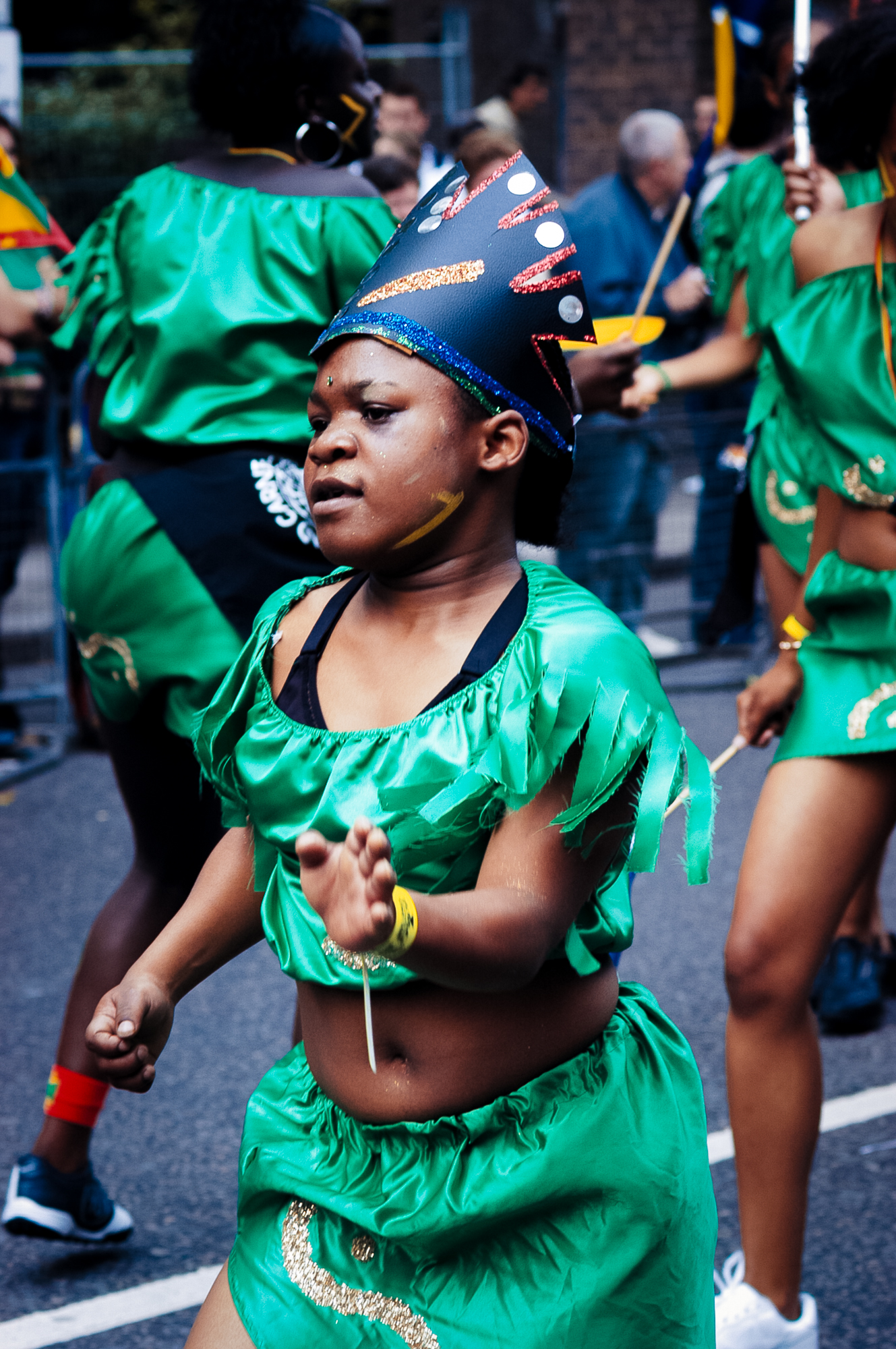
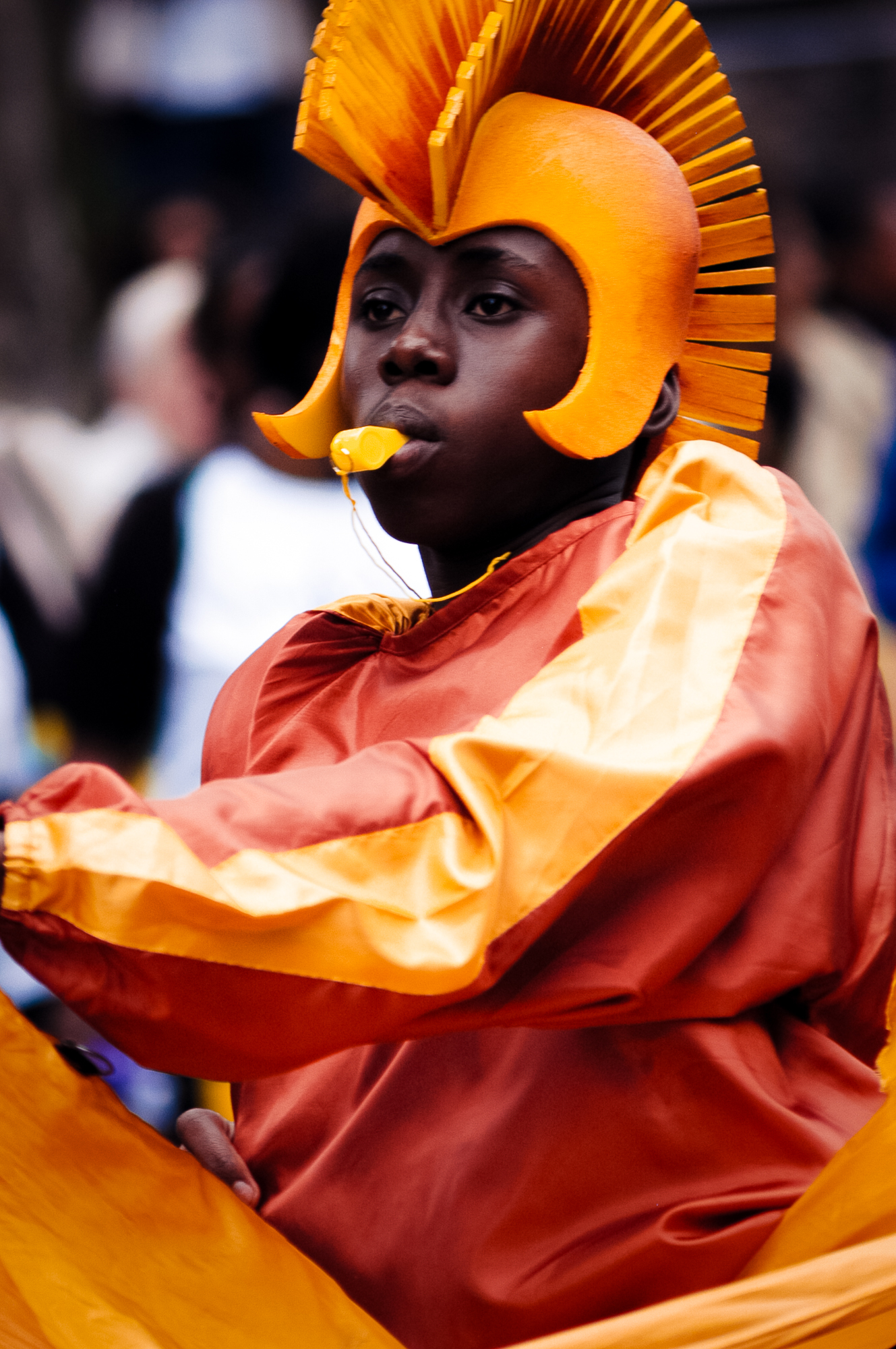
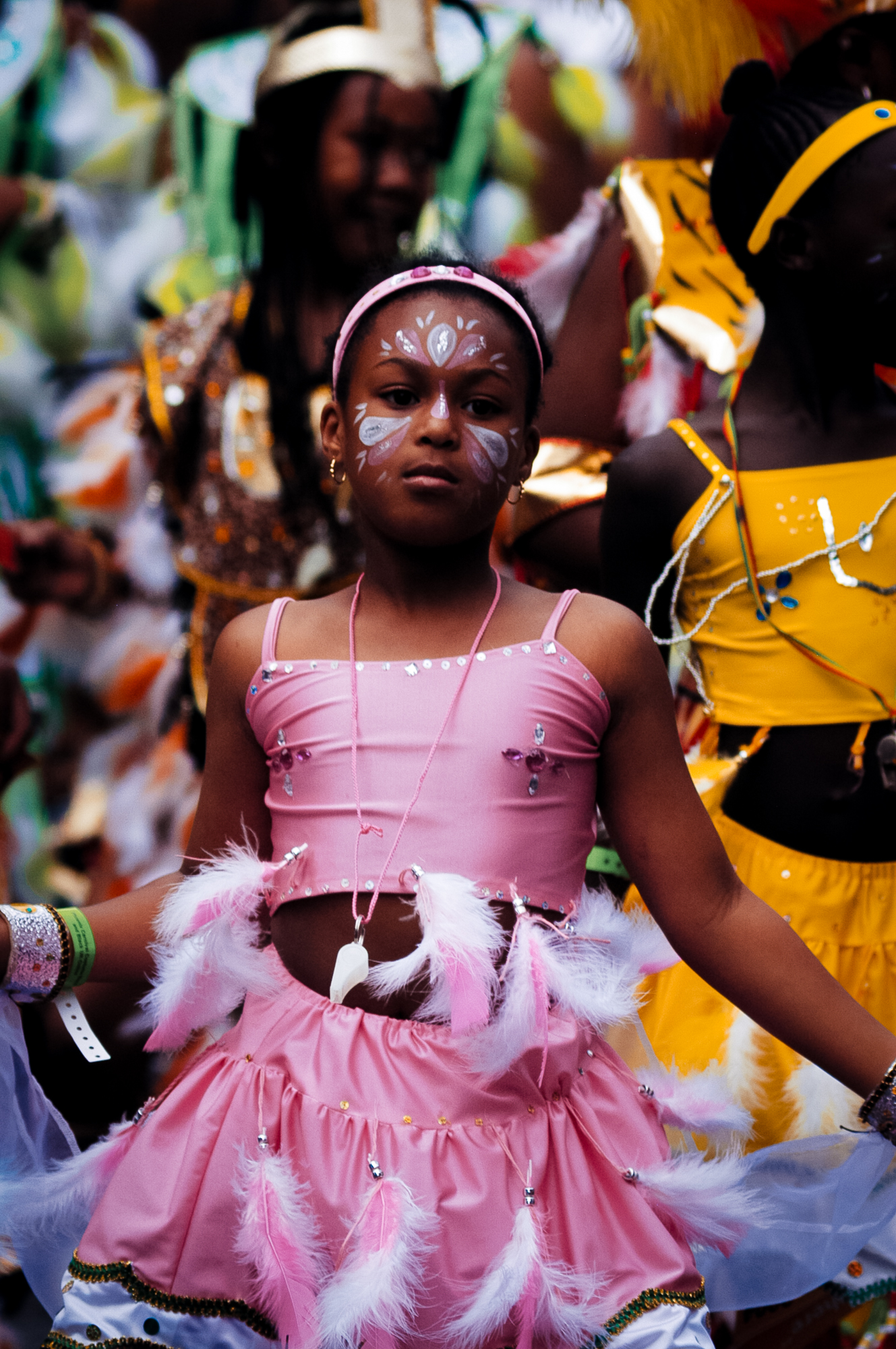
Notting Hill Carnival, Children's Day
2004. Photograph by Sophie Laslett, The Times
Notting Hill Carnival, Children's Day
2004. Photograph by Sophie Laslett, The Times
Notting Hill Carnival, Children's Day
2004. Photograph by Sophie Laslett, The Times
Notting Hill Carnival, Children's Day
2004. Photograph by Sophie Laslett, The Times
One of my very first assignments was photographing the vibrant Notting Hill Carnival Children's Day in 2004, capturing the colour and energy of the 40th-anniversary celebration. Notting Hill Carnival's Children's Day, also known as Family Day, was held on Sunday, August 29, 2004, as part of the annual street festival celebrating Caribbean culture. The day features family-friendly activities and a Children's Mas (carnival costume) parade
Notting Hill Carnival, Children's Day
2004. Photograph by Sophie Laslett, The Times
Notting Hill Carnival, Children's Day
2004. Photograph by Sophie Laslett, The Times
Notting Hill Carnival, Children's Day
2004. Photograph by Sophie Laslett, The Times
Notting Hill Carnival, Children's Day
2004. Photograph by Sophie Laslett, The Times
Notting Hill Carnival, Children's Day
2004. Photograph by Sophie Laslett, The Times
Notting Hill Carnival, Children's Day
2004. Photograph by Sophie Laslett, The Times
Notting Hill Carnival, Children's Day
2004. Photograph by Sophie Laslett, The Times
Notting Hill Carnival, Children's Day
2004. Photograph by Sophie Laslett, The Times
Notting Hill Carnival, Children's Day
2004. Photograph by Sophie Laslett, The Times
Notting Hill Carnival, Children's Day
2004. Photograph by Sophie Laslett, The Times
Notting Hill Carnival, Children's Day
2004. Photograph by Sophie Laslett, The Times
Notting Hill Carnival, Children's Day
2004. Photograph by Sophie Laslett, The Times
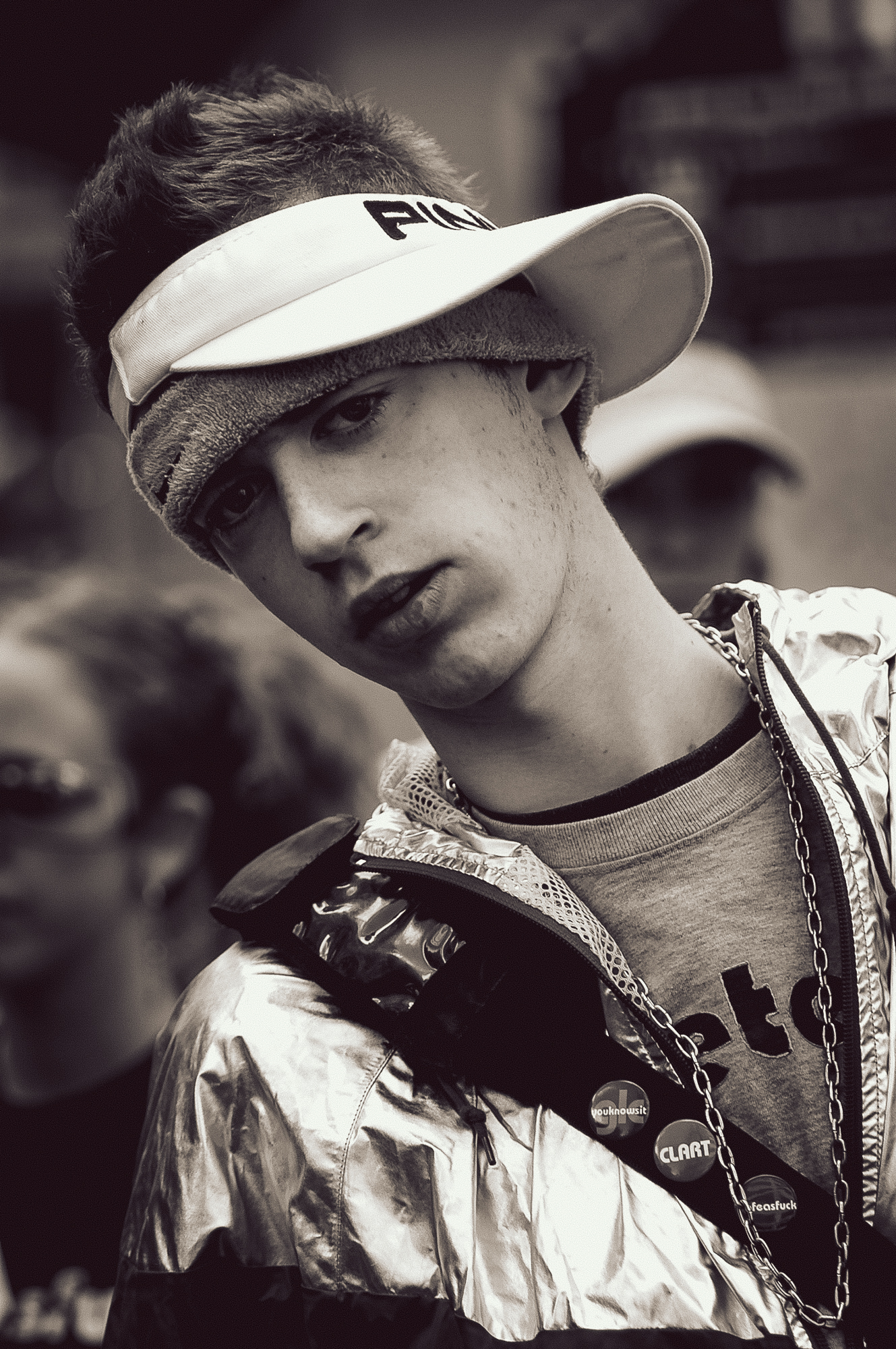
This assignment covered the "Chav" March and Rally on October 25, 2004, on Oxford Street, London. The event, organized by Goldie Lookin Chain to promote their single "Your Mother's Got a Penis," featured fans (or "Chavettes"). I have always really loved the 'chav' baby!
Goldie Lookin Chain Lead a "Chav" March
Goldie Lookin Chain Lead a "Chav" March
Goldie Lookin Chain Lead a "Chav" March
Goldie Lookin Chain Lead a "Chav" March
Goldie Lookin Chain Lead a "Chav" March
Goldie Lookin Chain Lead a "Chav" March
Goldie Lookin Chain Lead a "Chav" March
A key feature of the 2004 Times/Tabasco Young Photographer of The Year Award prize was the invaluable professional access it provided, including a backstage photographer's pass for London Fashion Week 2004. During this time, I had the unique opportunity to be mentored by experienced staff photographers from The Times Picture Desk, shooting shows for designers such as Ronit Zilkha, Ben de Lisi, and Betty Jackson.
Jenny Packham spring/summer 2005 fashion show, modelled on the catwalk at the 2004 London Fashion Week, BFC tent
2004. Photograph by Sophie Laslett, The Times
Jenny Packham spring/summer 2005 fashion show, modelled on the catwalk at the 2004 London Fashion Week, BFC tent
2004. Photograph by Sophie Laslett, The Times
Jenny Packham spring/summer 2005 fashion show, modelled on the catwalk at the 2004 London Fashion Week, BFC tent
2004. Photograph by Sophie Laslett, The Times
Swash spring/summer 2005 fashion show, modelled on the catwalk at the 2004 London Fashion Week
2004. Photograph by Sophie Laslett, The Times
Swash spring/summer 2005 fashion show, modelled on the catwalk at the 2004 London Fashion Week
2004. Photograph by Sophie Laslett, The Times
Swash spring/summer 2005 fashion show, modelled on the catwalk at the 2004 London Fashion Week
2004. Photograph by Sophie Laslett, The Times
This assignment was one of my very first for The Times Picture Desk, photographed on August 27, 2004. The objective was to capture the mood of Londoners dealing with a forecasted rainy bank holiday weekend. The images document scenes on and around the South Bank and the Golden Jubilee Bridge, featuring subjects like eight-year-old Abbie from Hersham sheltering under an umbrella, and the Sharp brothers from Winchester.
Another bank holiday weekend is forecast for rain. Jonty (right) and Tommy Sharp from Winchester walk towards London's South Bank.
2004. Photograph by Sophie Laslett, The Times
Another bank holiday weekend is forecast for rain. Abbie (8yrs) from Hersham shelters beneath her umbrella.
2004. Photograph by Sophie Laslett, The Times
Another bank holiday weekend is forecast for rain. A little girls walks across the Golden Jubilee Bridge, London.
2004. Photograph by Sophie Laslett, The Times
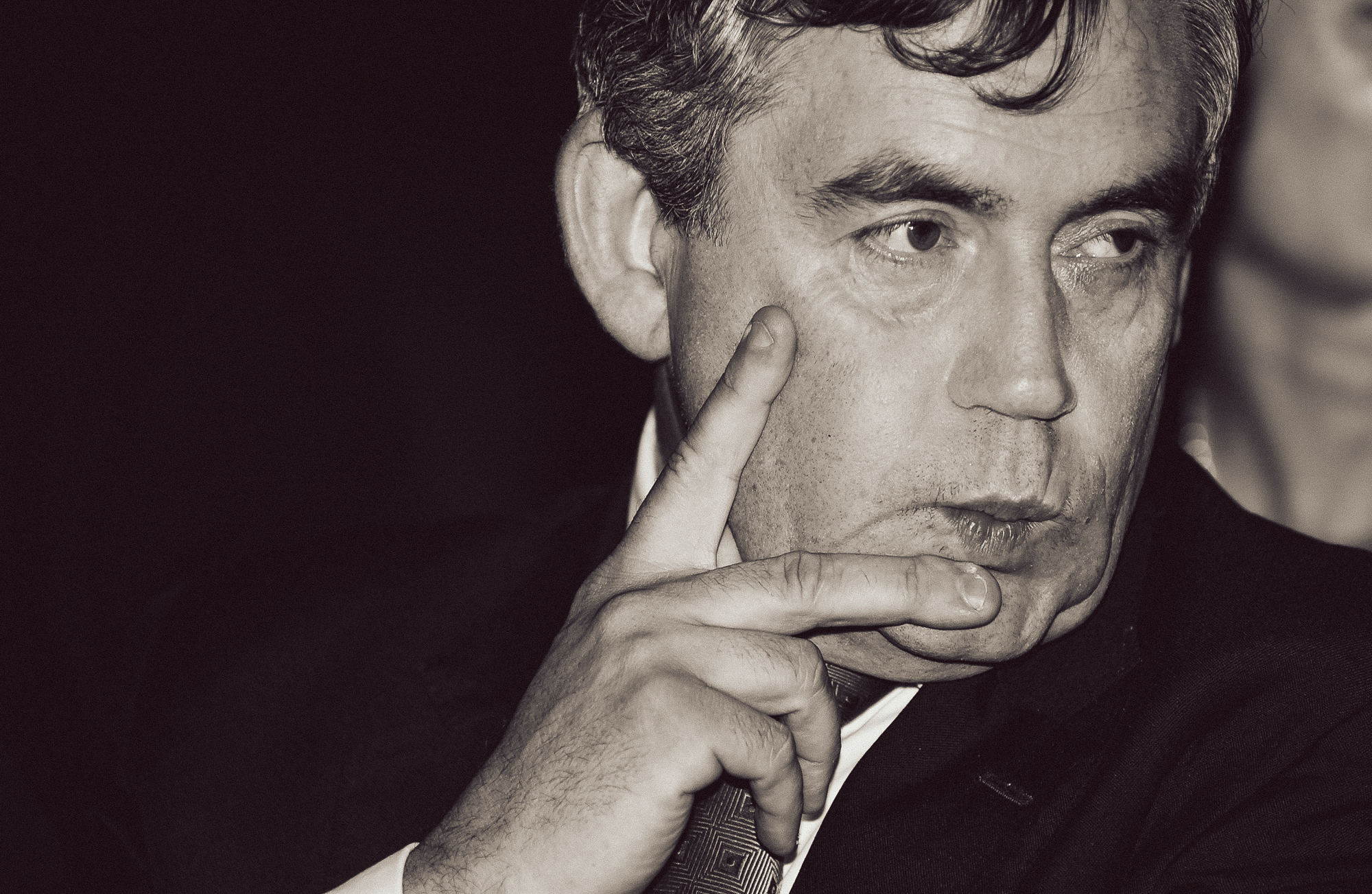
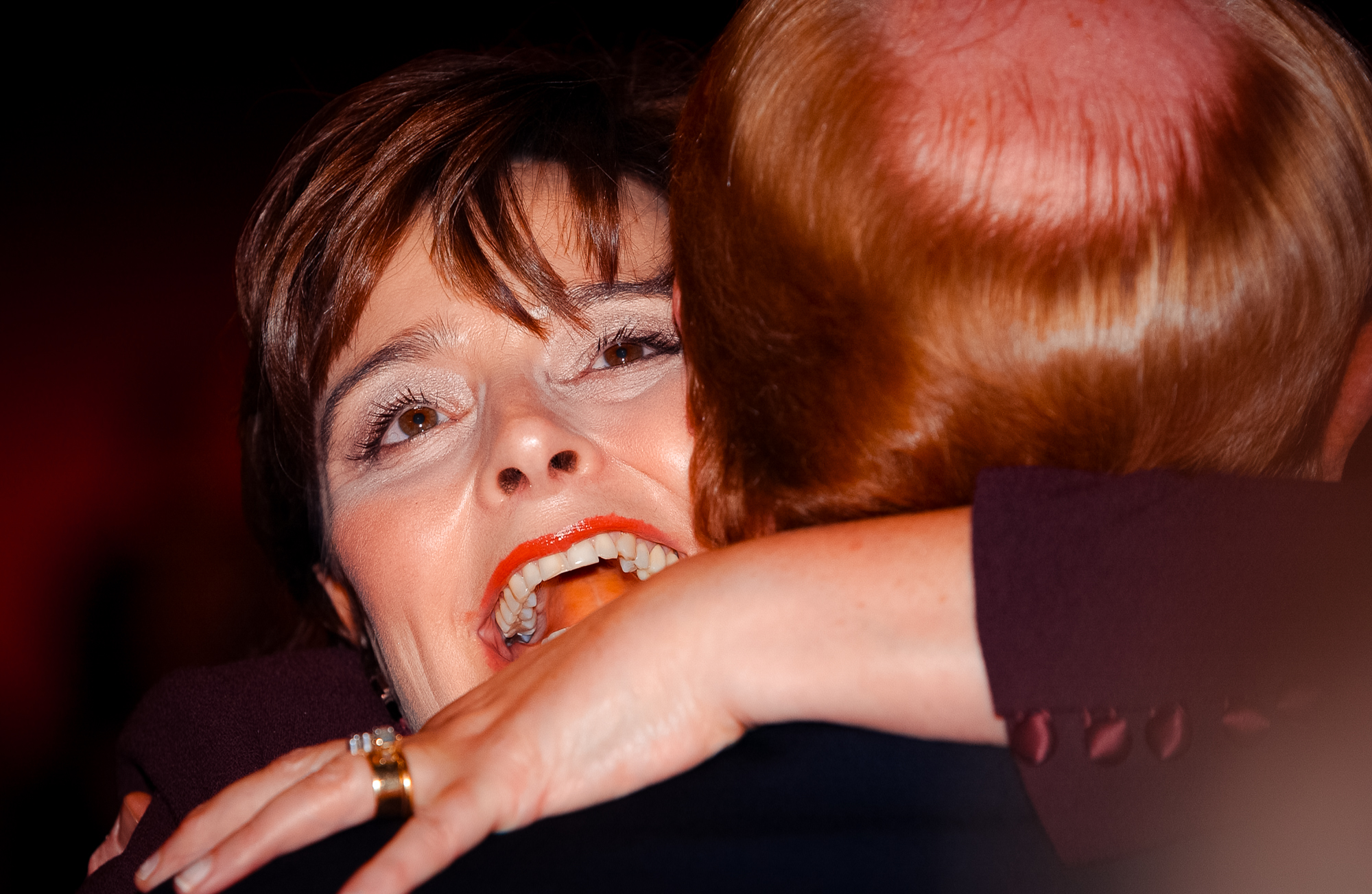
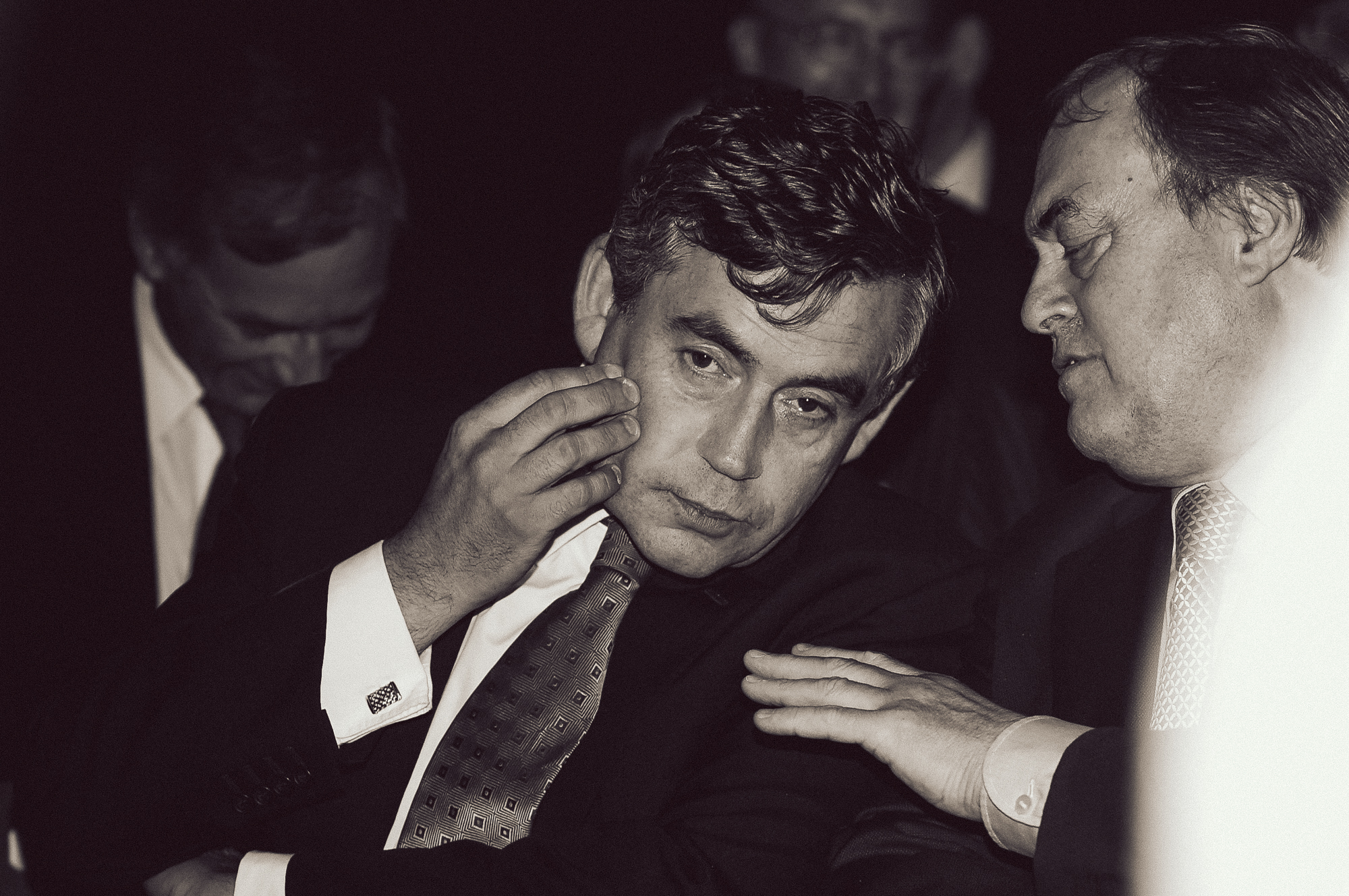
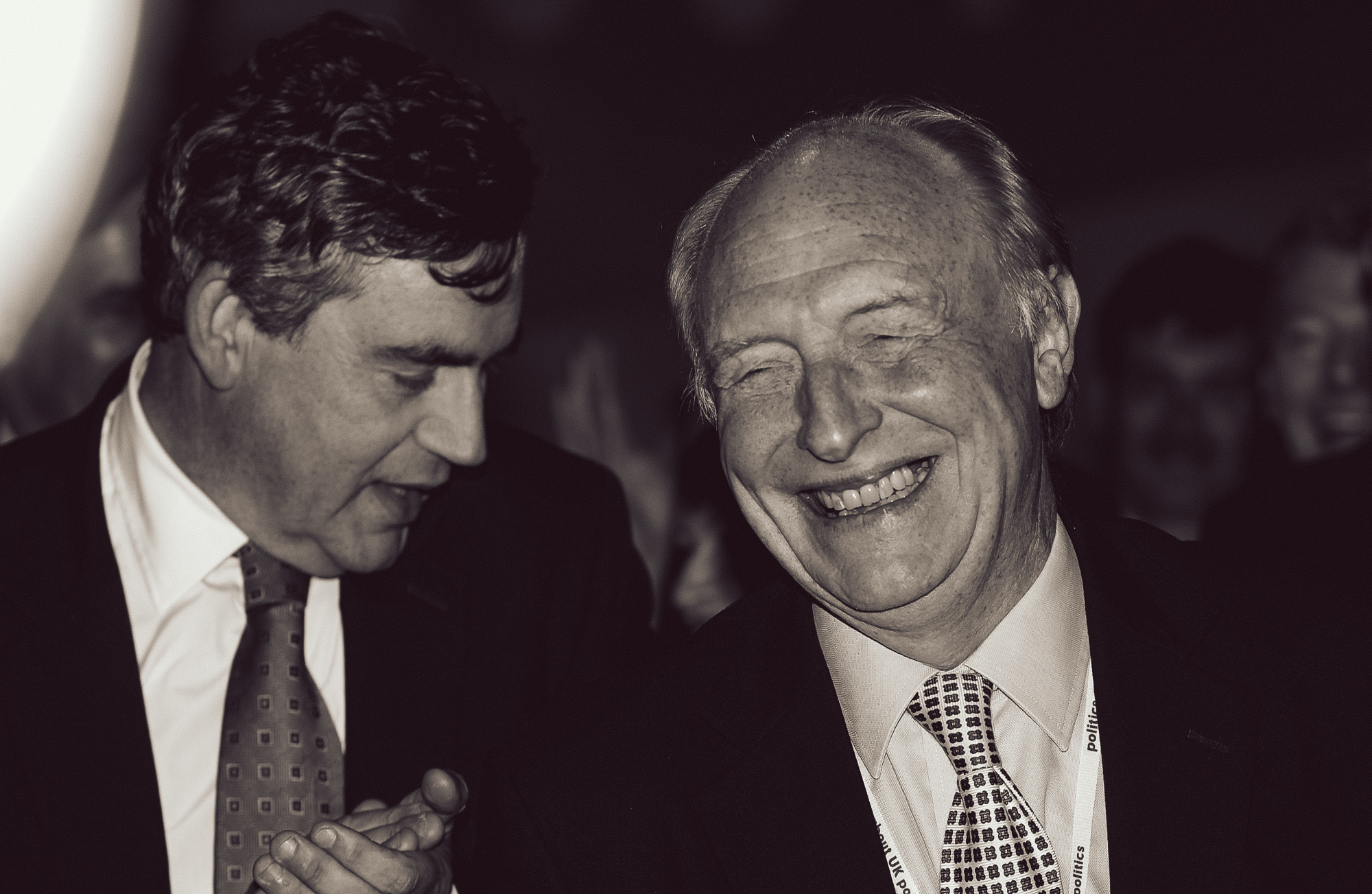
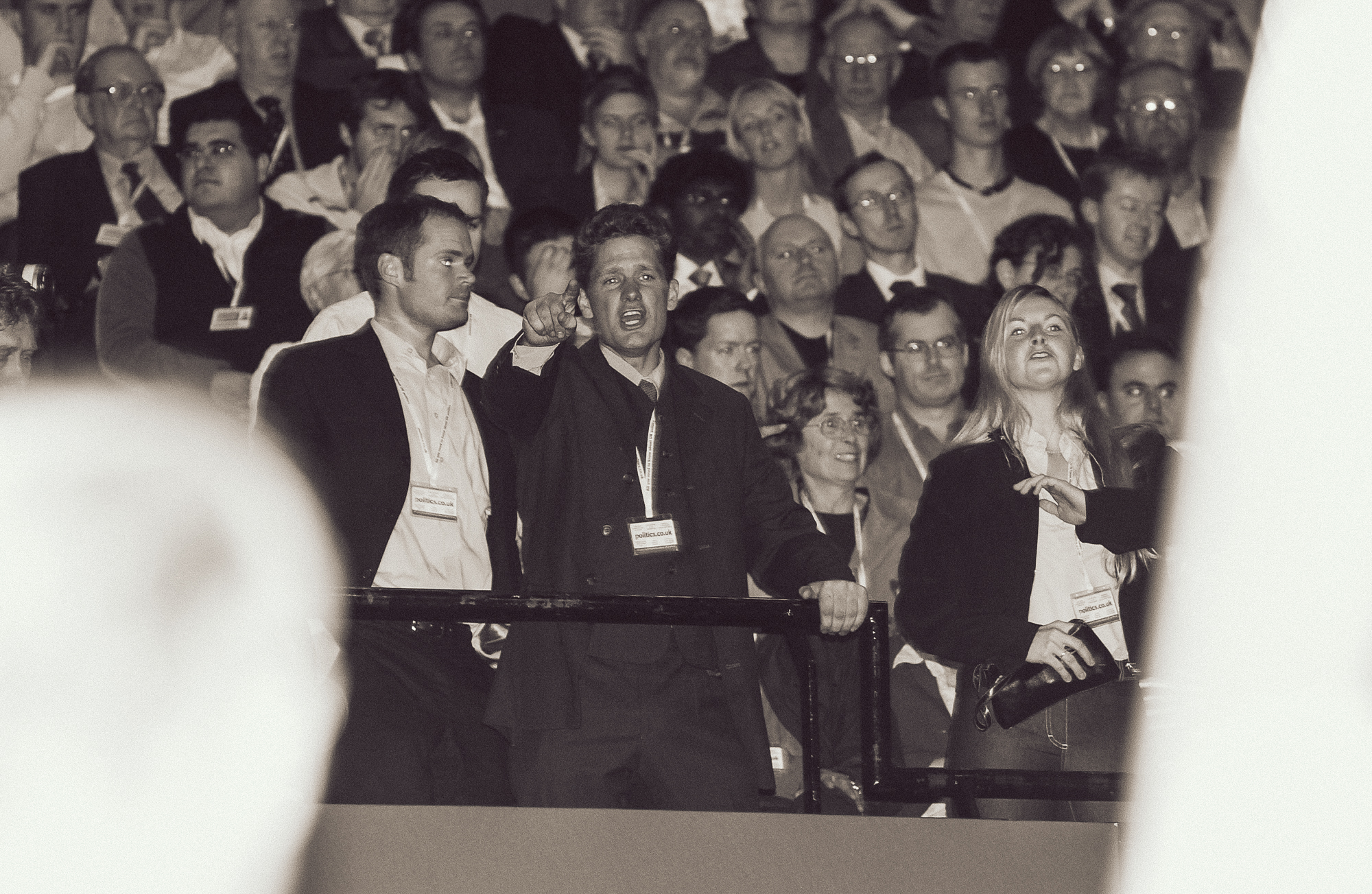
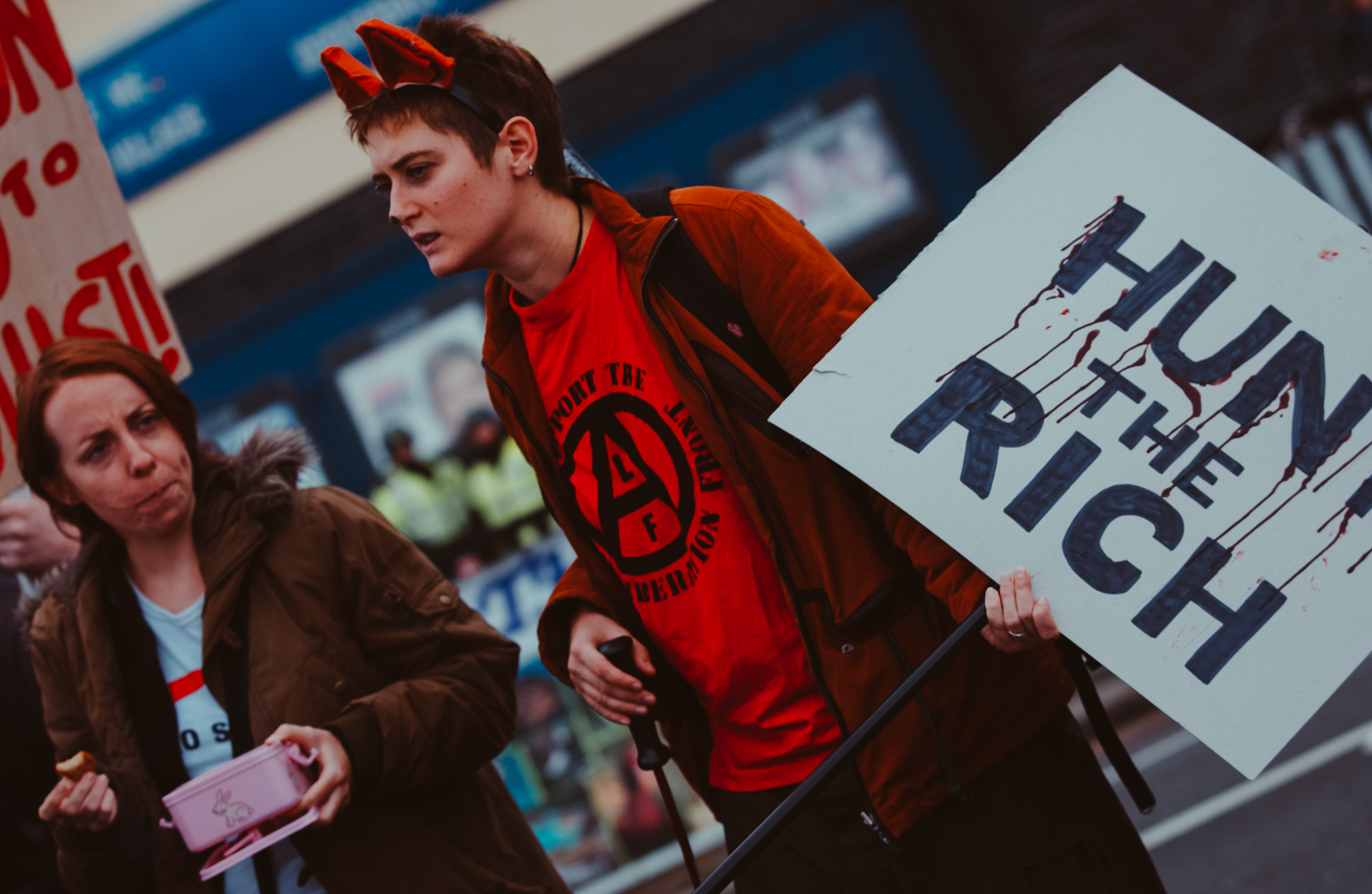
I covered the Labour Party Annual Conference in Brighton in September 2004 as part of my six-month contract with The Times Picture Desk. This was a high-stakes political event, as the Labour Party, led by Prime Minister Tony Blair, was in government and preparing for the next General Election. The conference was a charged environment, with intense debate and protests focusing on issues like the Iraq War and the controversial decision regarding fox hunting.
British Prime Minister Tony Blair delivers his keynote speech 28 September 2004 at the Brighton Conference Center on the third day of the Labour Party Conference in Brighton.
2004. Photograph by Sophie Laslett, The Times
I photographed Prime Minister Tony Blair's highly controversial keynote speech at the Labour Party Annual Conference in Brighton in September 2004.
The audience included senior party figures like Chancellor Gordon Brown and Deputy PM John Prescott, as well as former Labour leader and outgoing EU Commissioner Neil Kinnock.
The speech was interrupted twice by protesters, including one against the Iraq War, and saw Blair acknowledge that intelligence on Saddam Hussein's weapons had been "wrong." The core of his address focused on domestic policy, outlining a "Ten-point plan" for the upcoming election.
Chancellor of the Exchequer Gordon Brown is seen as Britain's Prime Minister Tony Blair delivers his keynote speech at the Labour Party Annual Conference on September 28, 2004 in Brighton, England
2004. Photograph by Sophie Laslett, The Times
Former Labour leader and outgoing EU commissioner Neil Kinnock greets Cherie Blair moments before Britain's Prime Minister Tony Blair keynote speech at the Labour Party Annual Conference on September 28, 2004 in Brighton, England
2004. Photograph by Sophie Laslett, The Times
Tony Blair and Gordon Brown as Tony Blair leaves the stage following his leader's speech. Labour Party Conference
2004. Photograph by Sophie Laslett, The Times
Chancellor of the Exchequer Gordon Brown and Deputy Prime Minister John Prescott are seen as Britain's Prime Minister Tony Blair delivers his keynote speech at the Labour Party Annual Conference on September 28, 2004 in Brighton, England
2004. Photograph by Sophie Laslett, The Times
Cherie Blair at Prime Minister Tony Blair's keynote speech at the Labour Party Annual Conference on September 28, 2004 in Brighton, England
2004. Photograph by Sophie Laslett, The Times
Former Labour leader and outgoing EU commissioner Neil Kinnock talks to Chancellor of the Exchequer Gordon Brown moments before Britain's Prime Minister Tony Blair's keynote speech at the Labour Party Annual Conference on September 28, 2004 in Brighton, England
2004. Photograph by Sophie Laslett, The Times
Cherie Blair at Prime Minister Tony Blair's keynote speech at the Labour Party Annual Conference on September 28, 2004 in Brighton, England
2004. Photograph by Sophie Laslett, The Times
Britain's Prime Minister Tony Blair delivers his keynote speech at the Labour Party Annual Conference on September 28, 2004 in Brighton, England
2004. Photograph by Sophie Laslett, The Times
Cherie Blair at Prime Minister Tony Blair's keynote speech at the Labour Party Annual Conference on September 28, 2004 in Brighton, England
2004. Photograph by Sophie Laslett, The Times
Chancellor of the Exchequer Gordon Brown and David Blunkett
2004. Photograph by Sophie Laslett, The Times
British Prime Minister Tony Blair delivers his keynote speech 28 September 2004 at the Brighton Conference Center on the third day of the Labour Party Conference in Brighton. Blair said that he would make the revival of the Middle East peace process his "personal priority" after the US presidential elections
2004. Photograph by Sophie Laslett, The Times
Former Labour leader and outgoing EU commissioner Neil Kinnock talks to Chancellor of the Exchequer Gordon Brown moments before Britain's Prime Minister Tony Blair's keynote speech at the Labour Party Annual Conference on September 28, 2004 in Brighton, England
2004. Photograph by Sophie Laslett, The Times
Opponents of the war in Iraq interrupt Britain's Prime Minister Tony Blair during his speech at the Labour Party's annual conference during the third day of the Labour Party Annual Conference on September 28, 2004 in Brighton, England
2004. Photograph by Sophie Laslett, The Times
anti-hunt protestor Big Brother 5 contestant Kitten Pinder braves the wrath of pro-hunt Countryside Alliance demonstrators on September 28, 2004 at the Brighton Centre in Brighton, England
2004. Photograph by Sophie Laslett, The Times
anti-hunt protestor Big Brother 5 contestant Kitten Pinder braves the wrath of pro-hunt Countryside Alliance demonstrators on September 28, 2004 at the Brighton Centre in Brighton, England
2004. Photograph by Sophie Laslett, The Times
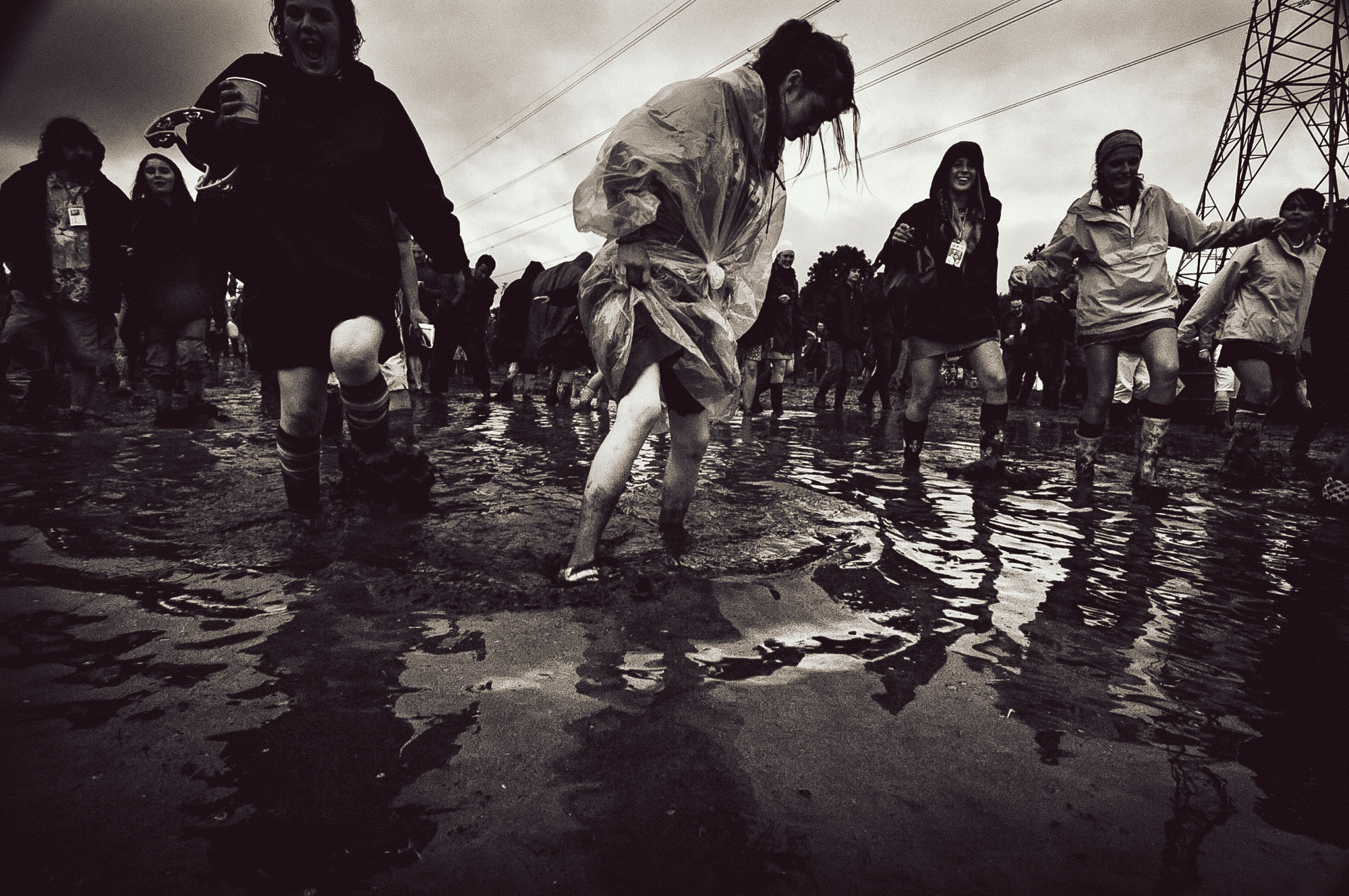
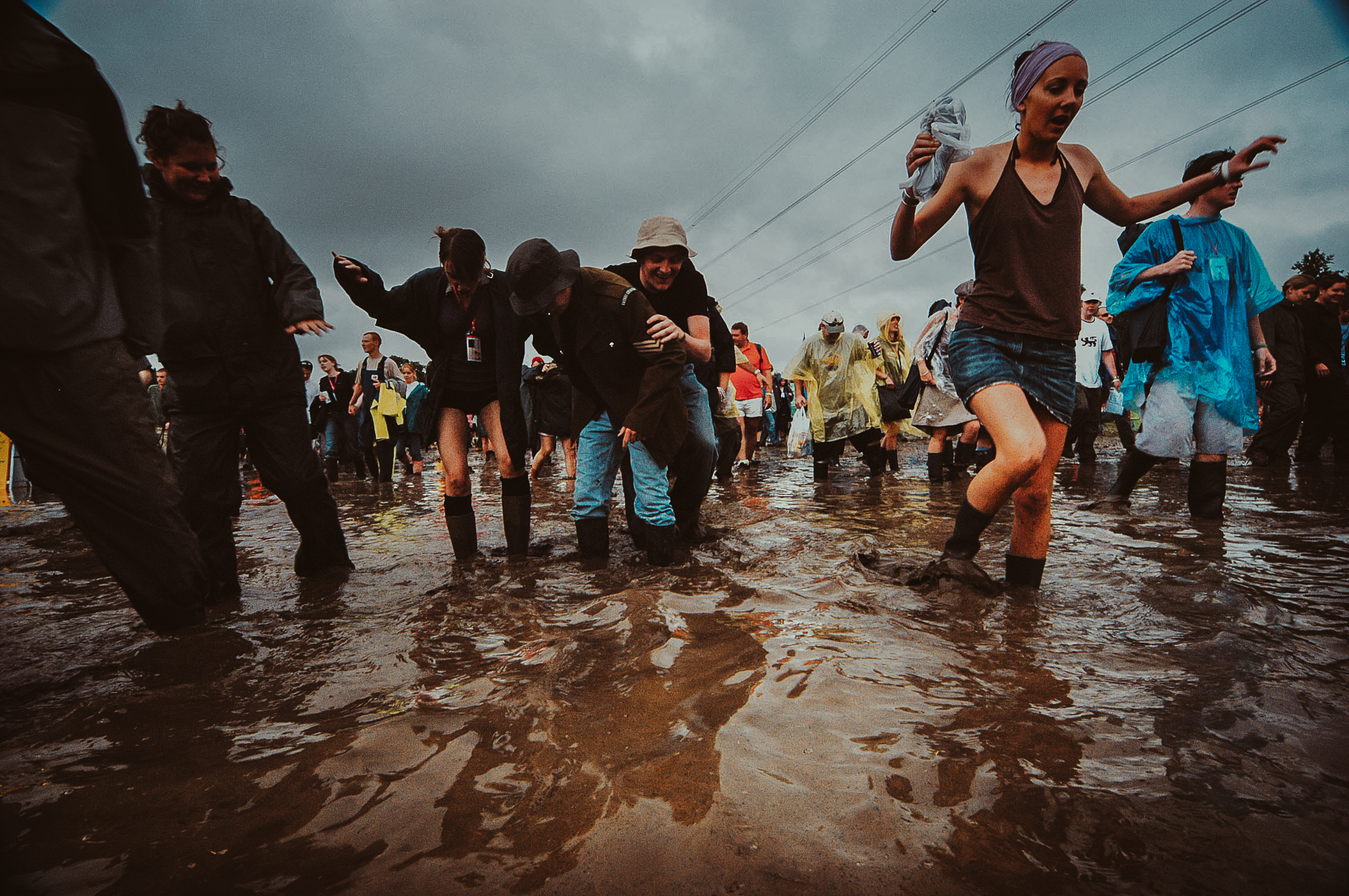
Though my six-month contract with The Times had just ended, I covered the 2005 Glastonbury Festival for them as a freelance photojournalist.
A festival goer enjoys Glastonbury Festival
2005. Photograph by Sophie Laslett, The Times
A festivalgoer arrives at Glastonbury Festival carrying the must-have Wellington boots
2005. Photograph by Sophie Laslett, The Times
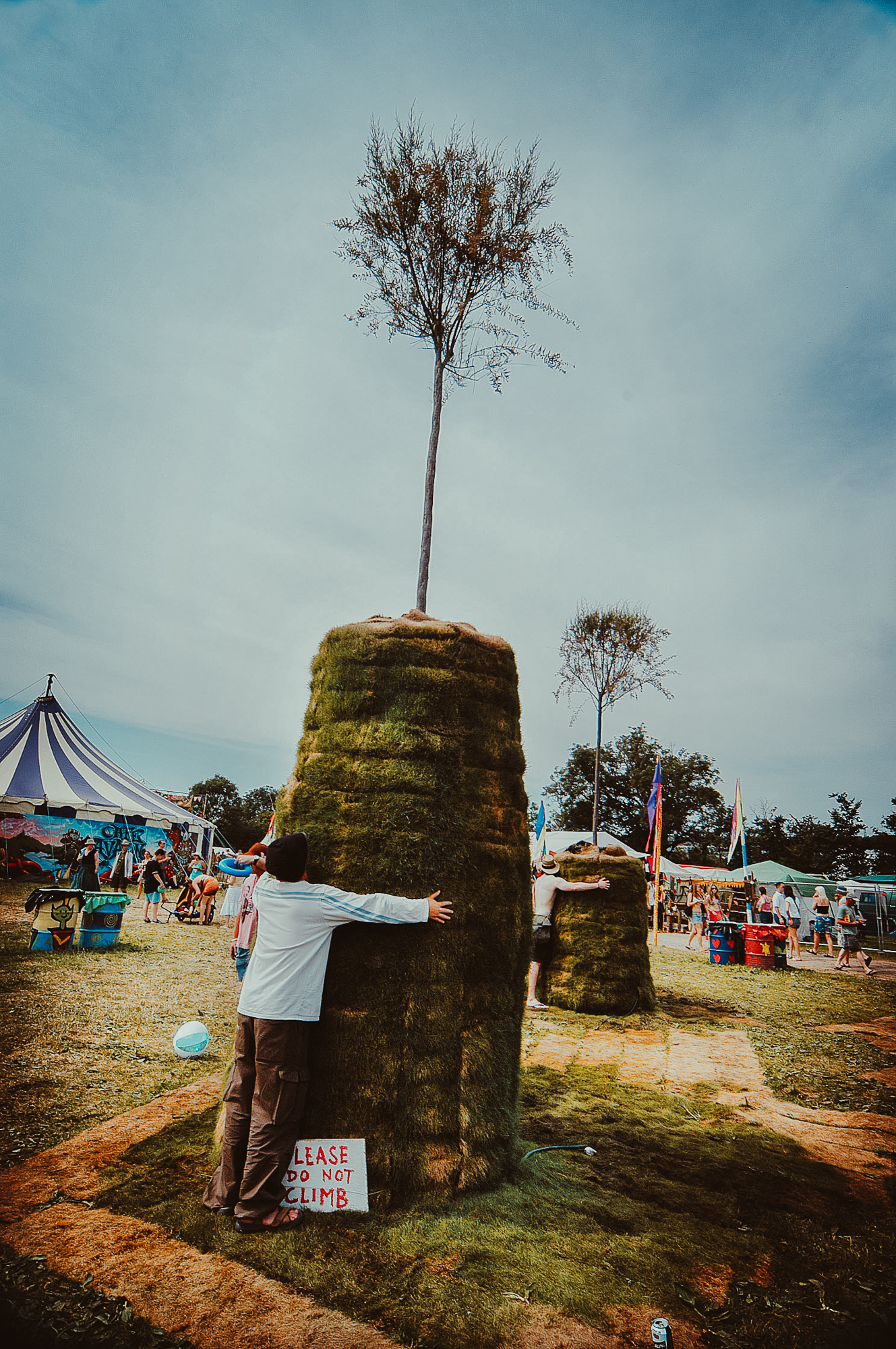
Tree-hugging at Glastonbury Festival
2005. Photograph by Sophie Laslett, The Times
Festivalgoers enjoy the warm-up to this years Glastonbury Festival
2005. Photograph by Sophie Laslett, The Times
A festivalgoer arrives in style at Glastonbury Festival
2005. Photograph by Sophie Laslett, The Times
A couple of festivalgoers have a long way left to go at Glastonbury Festival
2005. Photograph by Sophie Laslett, The Times
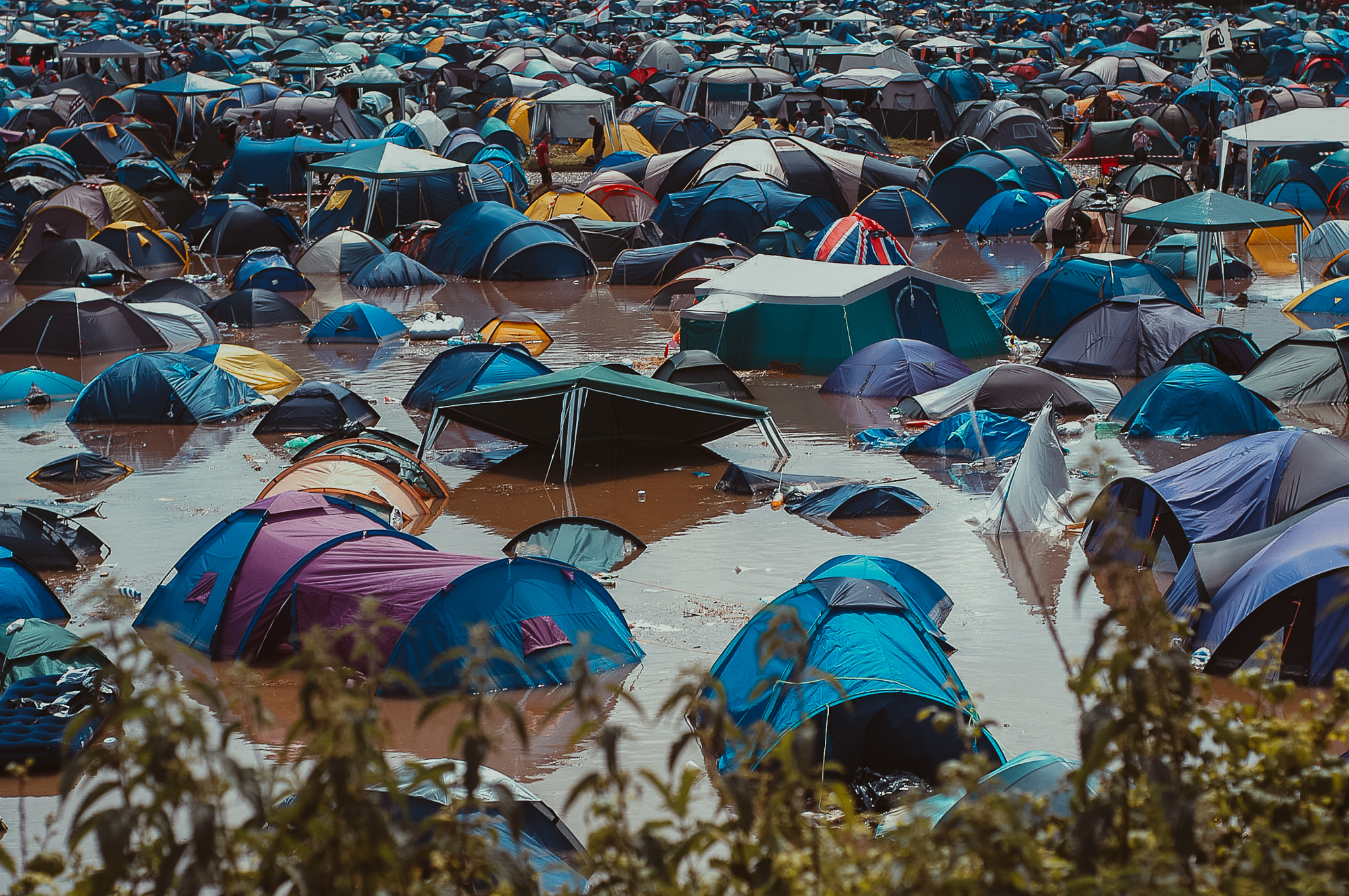
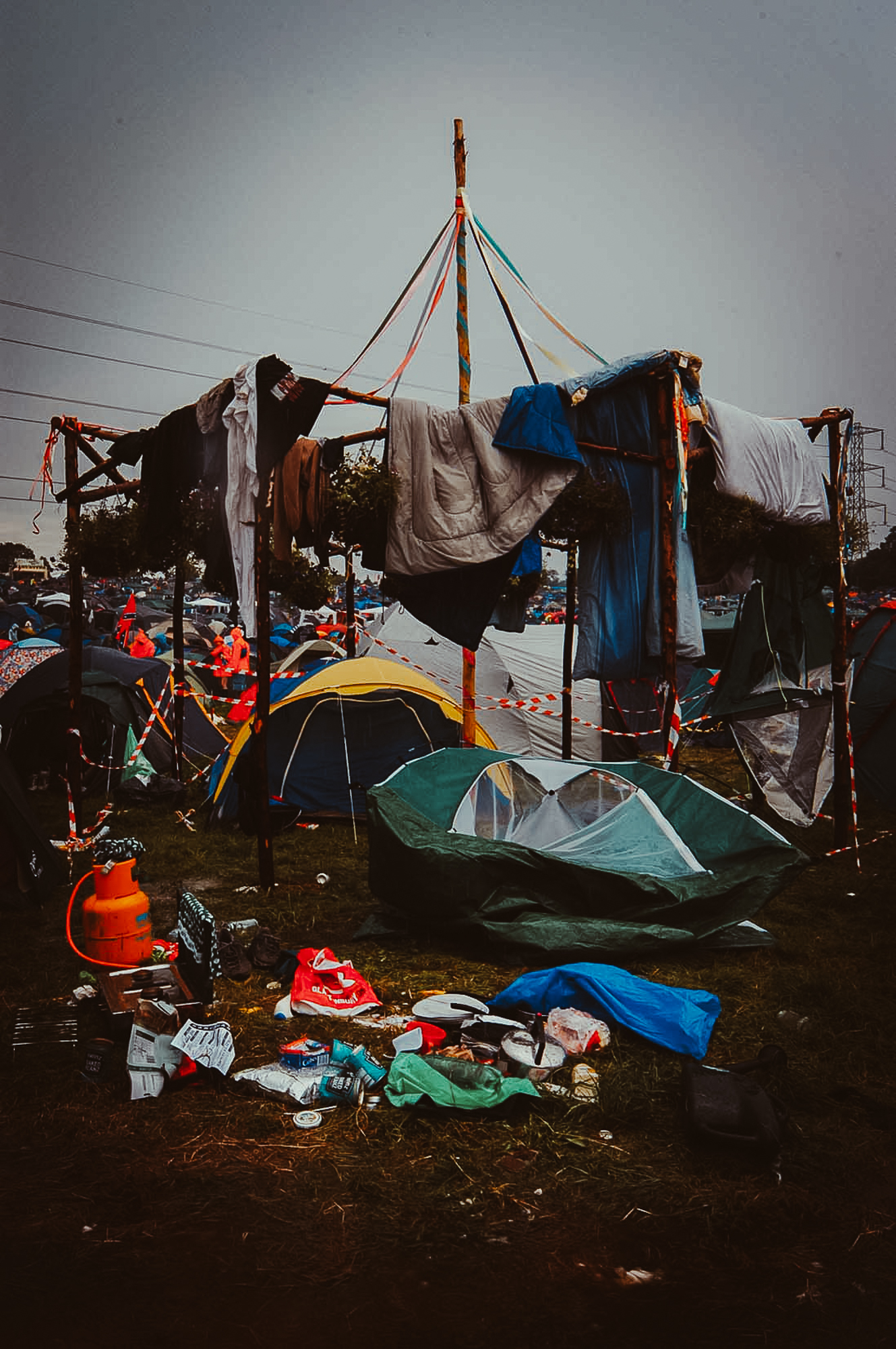
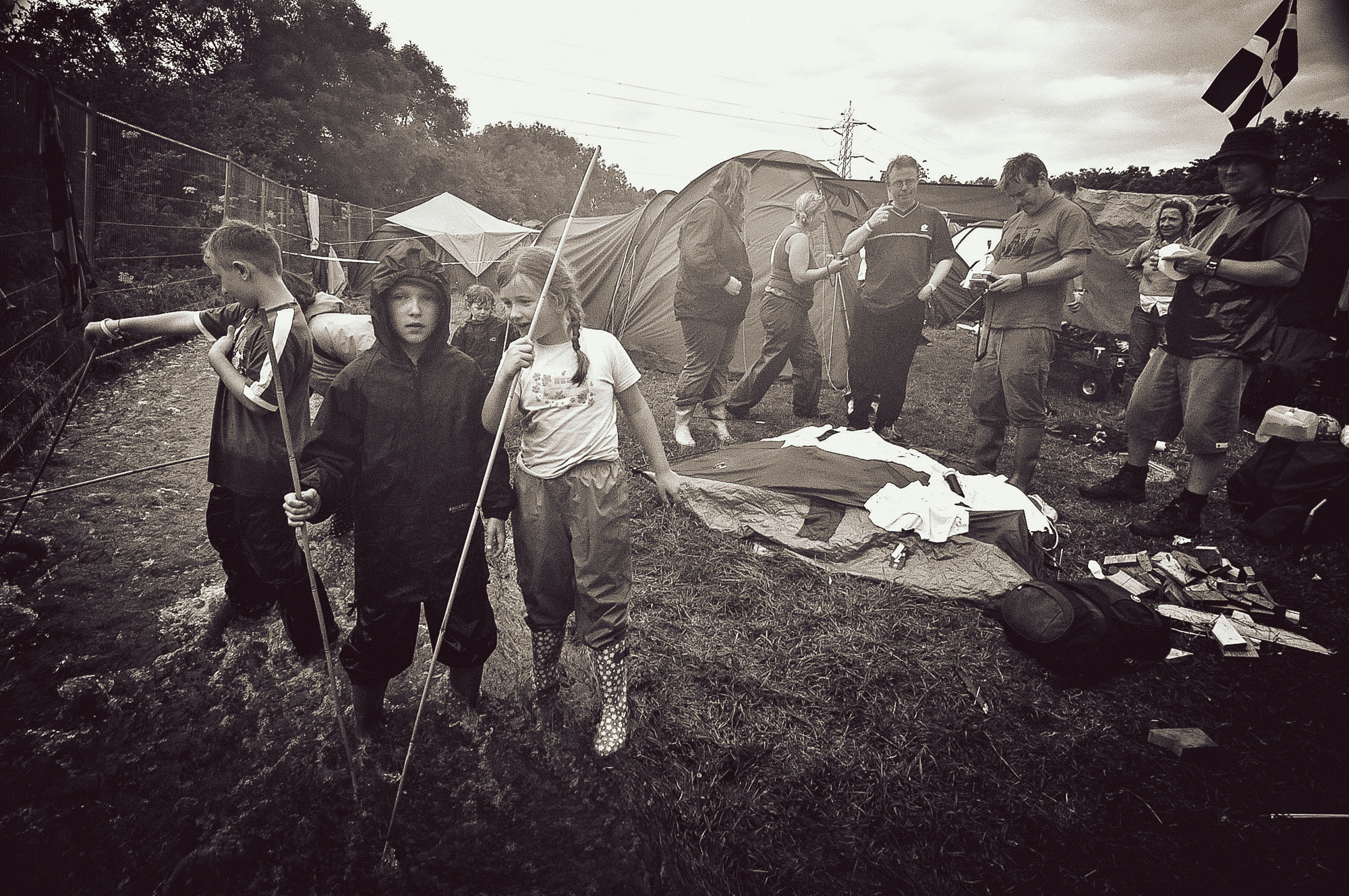
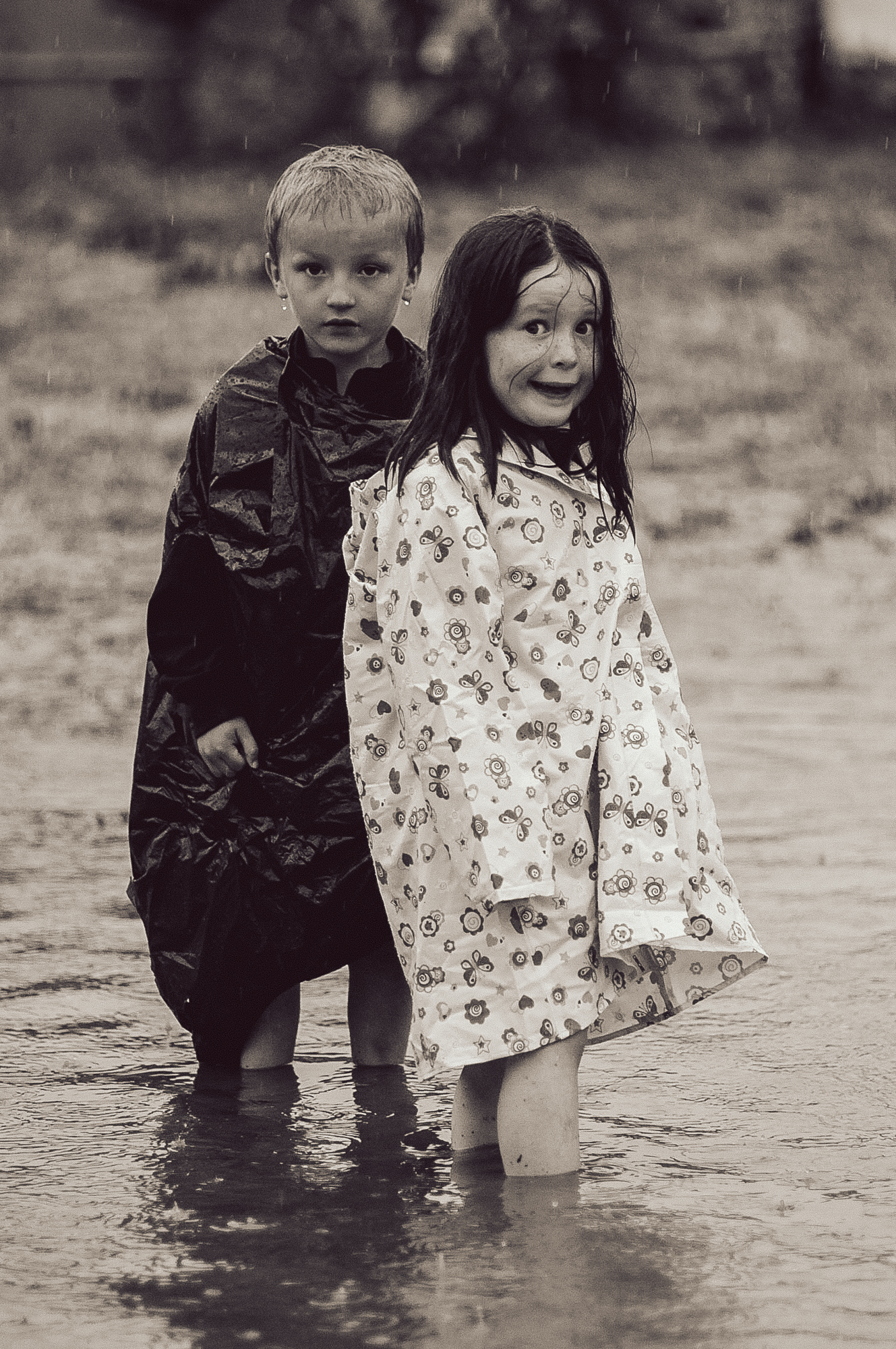
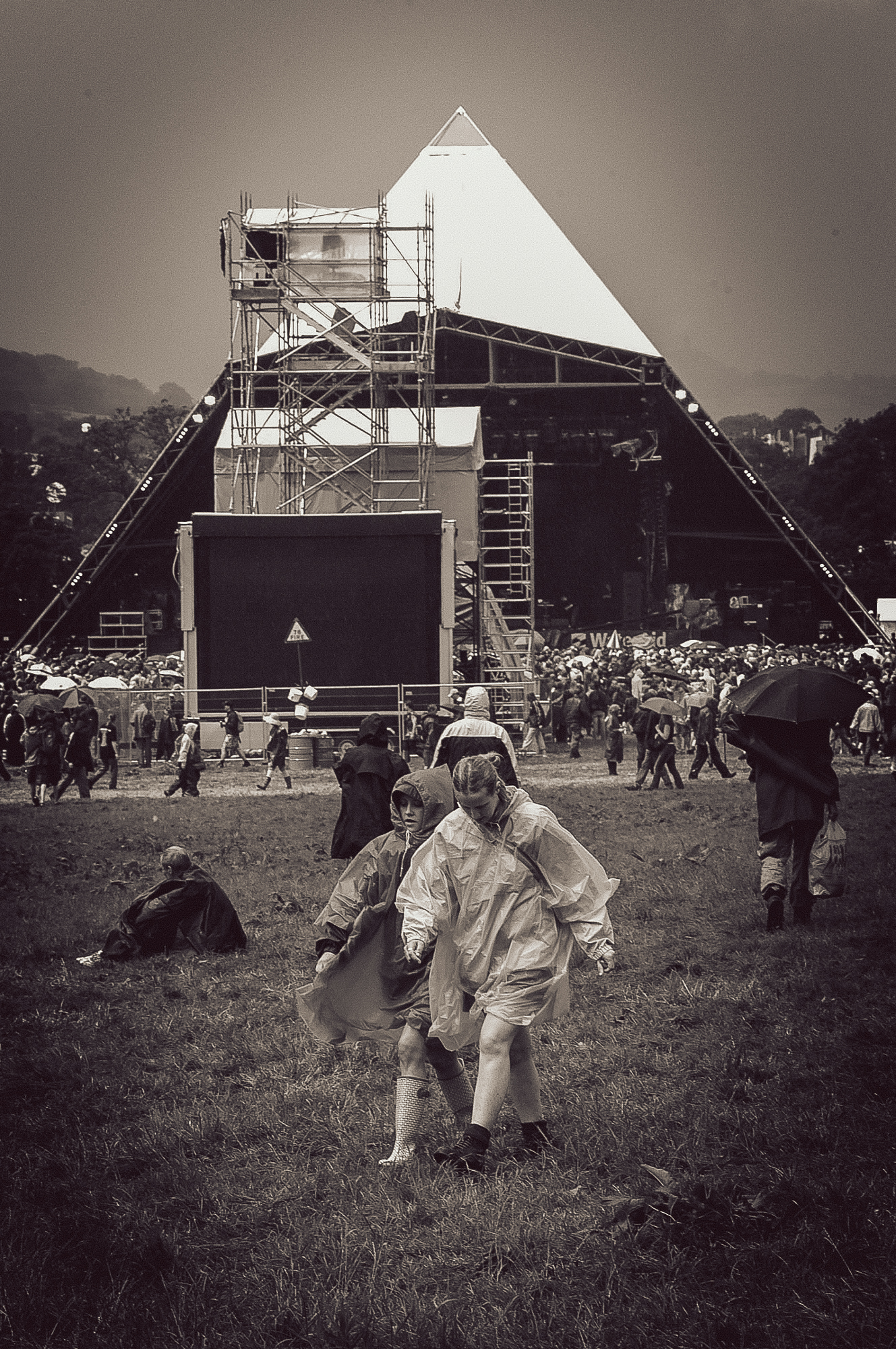
I traveled solo by coach and camped in a small tent, only to be awakened at 5 am on Friday 24th June by an epic, catastrophic deluge of electrical storms and flash flooding. The downpour created instant rivers across the site, resulting in tents being completely submerged—a situation that immediately turned the event into major national news and a potential rescue scene. The festival grounds became an absolute nightmare to get around due to the deep, clinging mud. Compounding the technical challenge, my early digital SLR, the Nikon D100, was seizing up in the extreme wet conditions, forcing me to document the disaster and meet strict print deadlines with failing gear.
Thunderstorms and torrential rain flood Glastonbury Festival
2005. Photograph by Sophie Laslett, The Times
Thunderstorms and torrential rain flood Glastonbury Festival
2005. Photograph by Sophie Laslett, The Times
Thunderstorms and torrential rain flood Glastonbury Festival
2005. Photograph by Sophie Laslett, The Times
Thunderstorms and torrential rain flood Glastonbury Festival
2005. Photograph by Sophie Laslett, The Times
Thunderstorms and torrential rain flood Glastonbury Festival
2005. Photograph by Sophie Laslett, The Times
Thunderstorms and torrential rain flood Glastonbury Festival
2005. Photograph by Sophie Laslett, The Times
Thunderstorms and torrential rain flood Glastonbury Festival
2005. Photograph by Sophie Laslett, The Times
Thunderstorms and torrential rain flood Glastonbury Festival
2005. Photograph by Sophie Laslett, The Times
Thunderstorms and torrential rain flood Glastonbury Festival
2005. Photograph by Sophie Laslett, The Times
The family camping site was badly affected
2005. Photograph by Sophie Laslett, The Times
Thunderstorms and torrential rain flood Glastonbury Festival
2005. Photograph by Sophie Laslett, The Times
Thunderstorms and torrential rain flood Glastonbury Festival
2005. Photograph by Sophie Laslett, The Times
Radio 1 DJ Jo Whiley
2005. Photograph by Sophie Laslett, The Times
Thunderstorms and torrential rain flood Glastonbury Festival
2005. Photograph by Sophie Laslett, The Times
Euan and Georgina (both 6yrs
2005. Photograph by Sophie Laslett, The Times
Thunderstorms and torrential rain flood Glastonbury Festival
2005. Photograph by Sophie Laslett, The Times
Thunderstorms and torrential rain flood Glastonbury Festival
2005. Photograph by Sophie Laslett, The Times
The assignment was brutal and utterly exhausting. The site's absolute carnage forced me to trudge for miles through knee-deep mud and water. With the flooding as the lead story, I was under pressure to send in images capturing the disaster's scale, all while battling a failing camera and the surrounding chaos.
Thunderstorms and torrential rain flood Glastonbury Festival
2005. Photograph by Sophie Laslett, The Times
Thunderstorms and torrential rain flood Glastonbury Festival
2005. Photograph by Sophie Laslett, The Times
By Sunday, the sun came out, bringing much-needed relief. The intense pressure shifted: my new priority was to get a vibrant, colourful front page image for The Times to signal the end of the flood chaos. Despite the deep mud lingering across the site, I focused on capturing this positive turnaround to finalize the utterly exhausting assignment.
The sun comes out at Glastonbury Festival. Picture shows a girl dancing to Jools Holland on the Pyramid stage in the su
2005. Photograph by Sophie Laslett, The Times
The sun comes out at Glastonbury Festival
2005. Photograph by Sophie Laslett, The Times
The sun returns to Glastonbury Festival.
2005. Photograph by Sophie Laslett, The Times
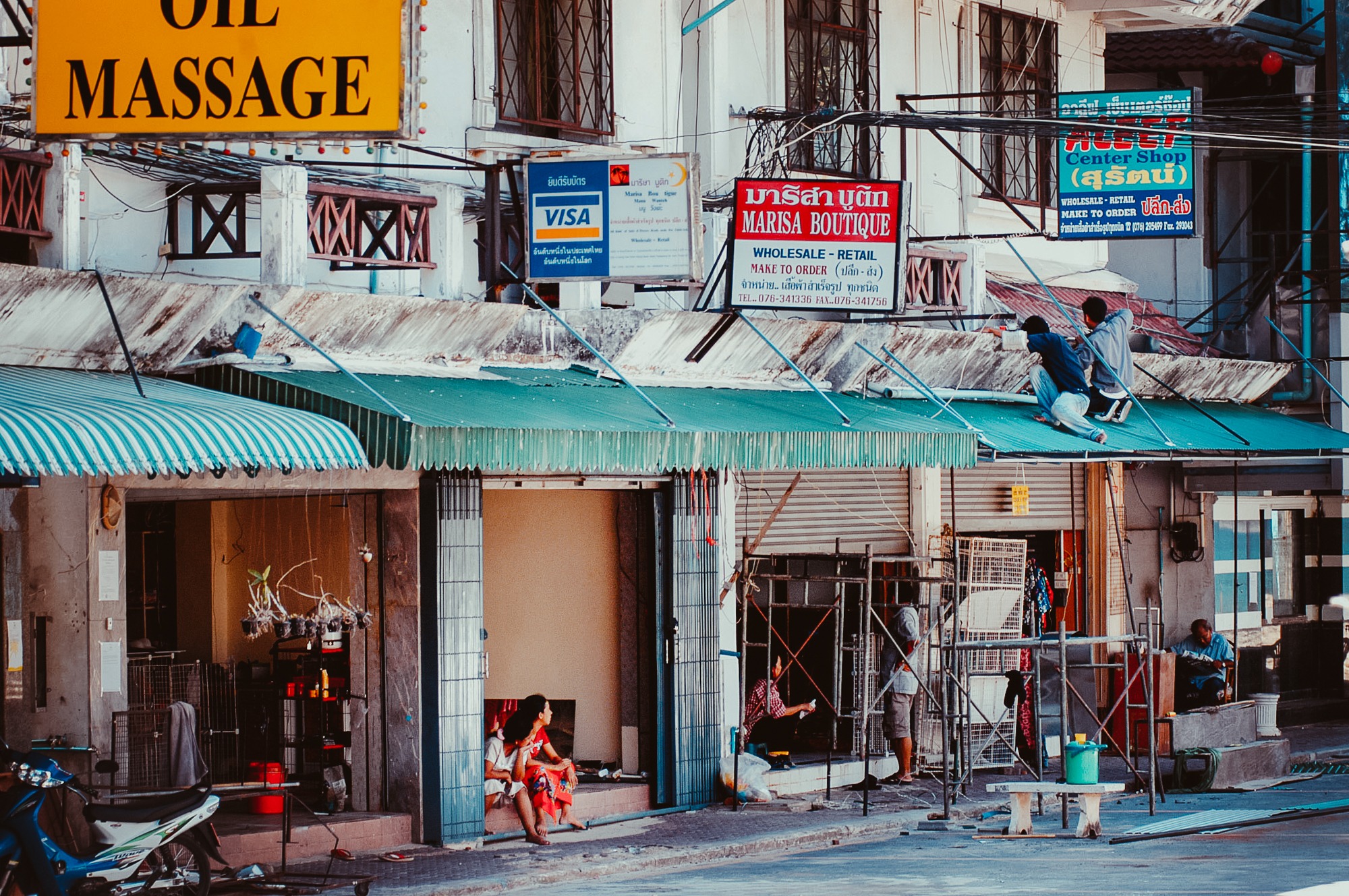
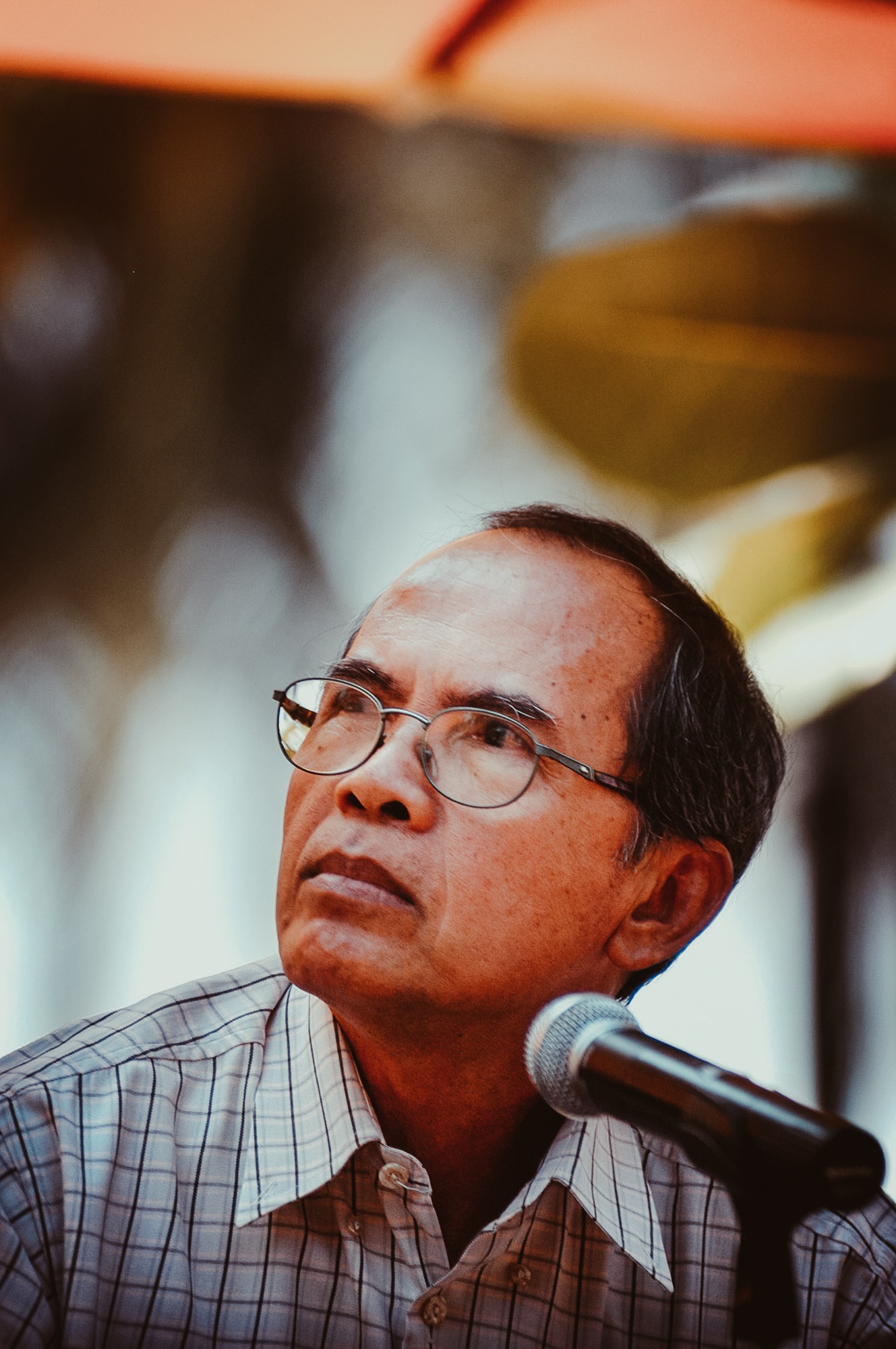
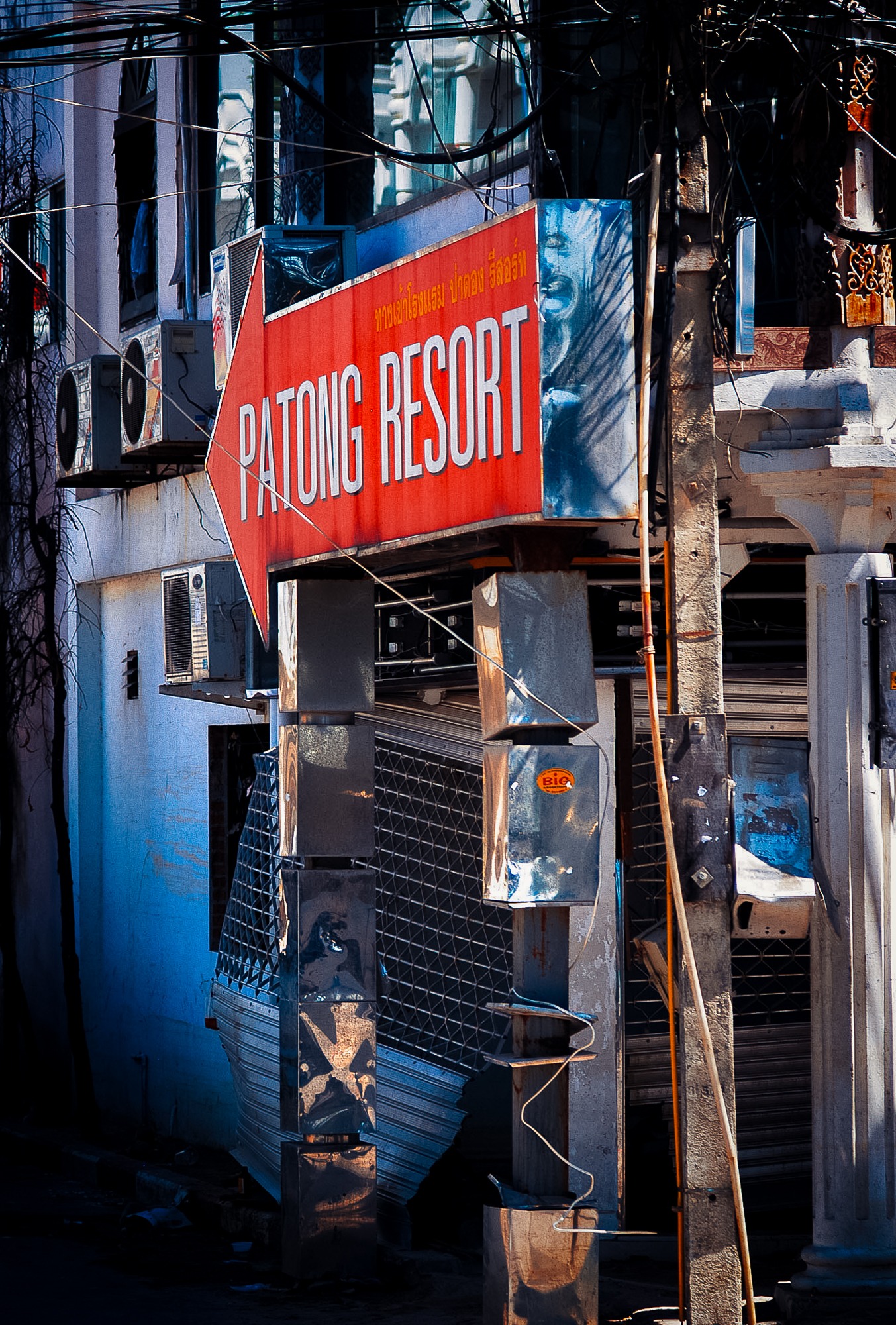
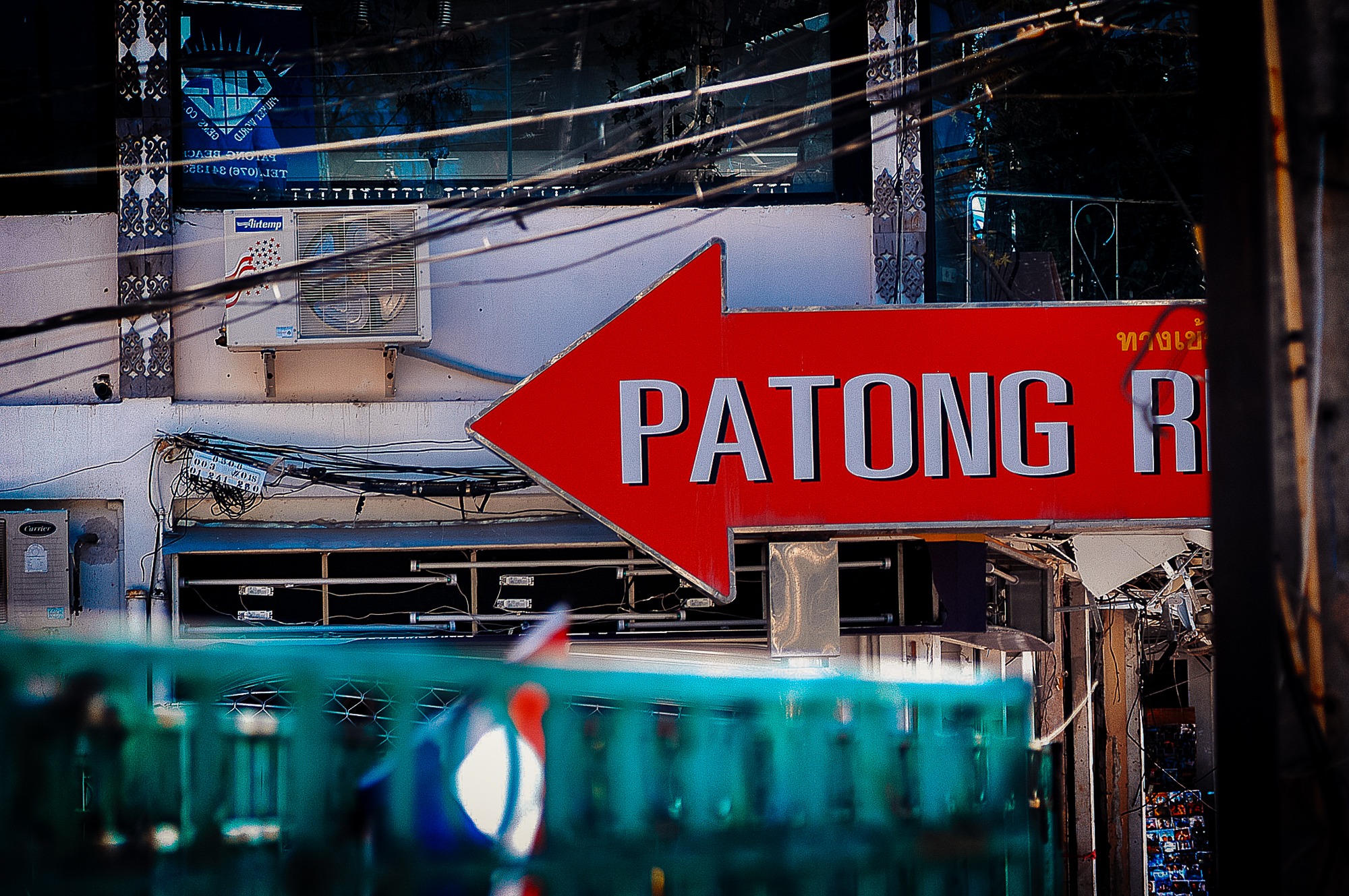
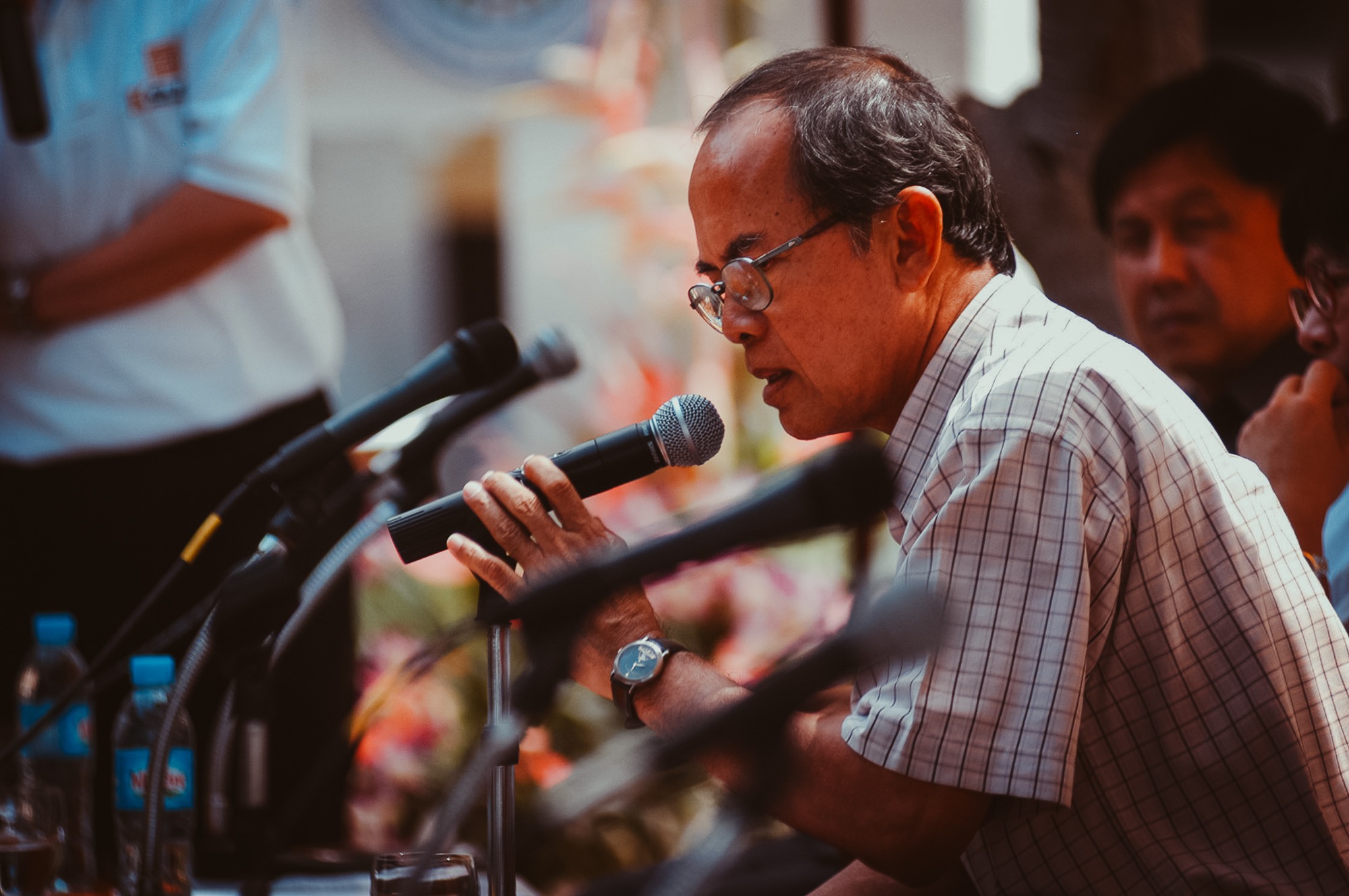
In February 2005, I traveled to Phuket, Thailand, on a press trip sponsored by Katathani, just weeks after the Indian Ocean Tsunami. This assignment focused on documenting the initial recovery and rebuilding efforts in the severely damaged coastal region. I photographed the situation on Patong Beach, capturing the cleared wreckage and the ongoing reconstruction work, including a digger restoring sand. The coverage included the press conference at Katathani Phuket Beach Resort, where I photographed Mr. Somboon Aiyarak, Health Expert of the Phuket Provincial Chief Medical Office, who was working to address public health concerns and restore confidence in the area.
Katathani Press Trip to Phuket February 2005. Rebuilding the damaged coastal strip of Patong Beach, Phuket after the Tsunami. Picture shows a digger taking sand from one part of the beach to replace sand lost elsewhere. Thailand
2005. Photograph by Sophie Laslett, The Times
Katathani Press Trip to Phuket February 2005. Rebuilding the damaged coastal strip of Patong Beach, Phuket after the Tsunami. Picture shows a digger taking sand from one part of the beach to replace sand lost elsewhere. Thailand
2005. Photograph by Sophie Laslett, The Times
A single tourist surveys the goods on offer, Patong Beach, Puket, Thailand
2005. Photograph by Sophie Laslett, The Times
Bored looking tuk-tuk drivers sit awaiting passengers in Patong Beach, Puket, Thailand
2005. Photograph by Sophie Laslett, The Times
The rebuilding of damaged shops on the coastal strip of Patong Beach, an area of Phuket that was affected by the Tsunami. Thailand
2005. Photograph by Sophie Laslett, The Times
A man stands inside a damaged shop on the Tsunami affected coastal strip of Patong Beach, Phuket
2005. Photograph by Sophie Laslett, The Times
A member of staff serving breakfast at the Katathani Phuket Beach Resort, Phuket, Thailand
2005. Photograph by Sophie Laslett, The Times
Katathani Thani Resort, Phuket, Thailand
2005. Photograph by Sophie Laslett, The Times
Katathani Press Trip to Phuket February 2005. A young girl plays in the entrance of a damaged shop on the Tsunami affected coastal strip of Patong Beach, Phuket, Thailand
2005. Photograph by Sophie Laslett, The Times
Katathani Press Trip to Phuket February 2005. Press Conference at Katathani Phuket Beach Resort. Picture shows Mr Somboon Aiyarak, Health Expert of Phuket, Provincial Chief Medical Office, Thailand
2005. Photograph by Sophie Laslett, The Times
atathani Press Trip to Phuket February 2005. Rebuilding the damaged coastal strip of Patong Beach, Phuket, Thailand
atathani Press Trip to Phuket February 2005. Rebuilding the damaged coastal strip of Patong Beach, Phuket, Thailand
Katathani Press Trip to Phuket February 2005. Press Conference at Katathani Phuket Beach Resort. Picture shows Mr Somboon Aiyarak, Health Expert of Phuket, Provincial Chief Medical Office, Thailand
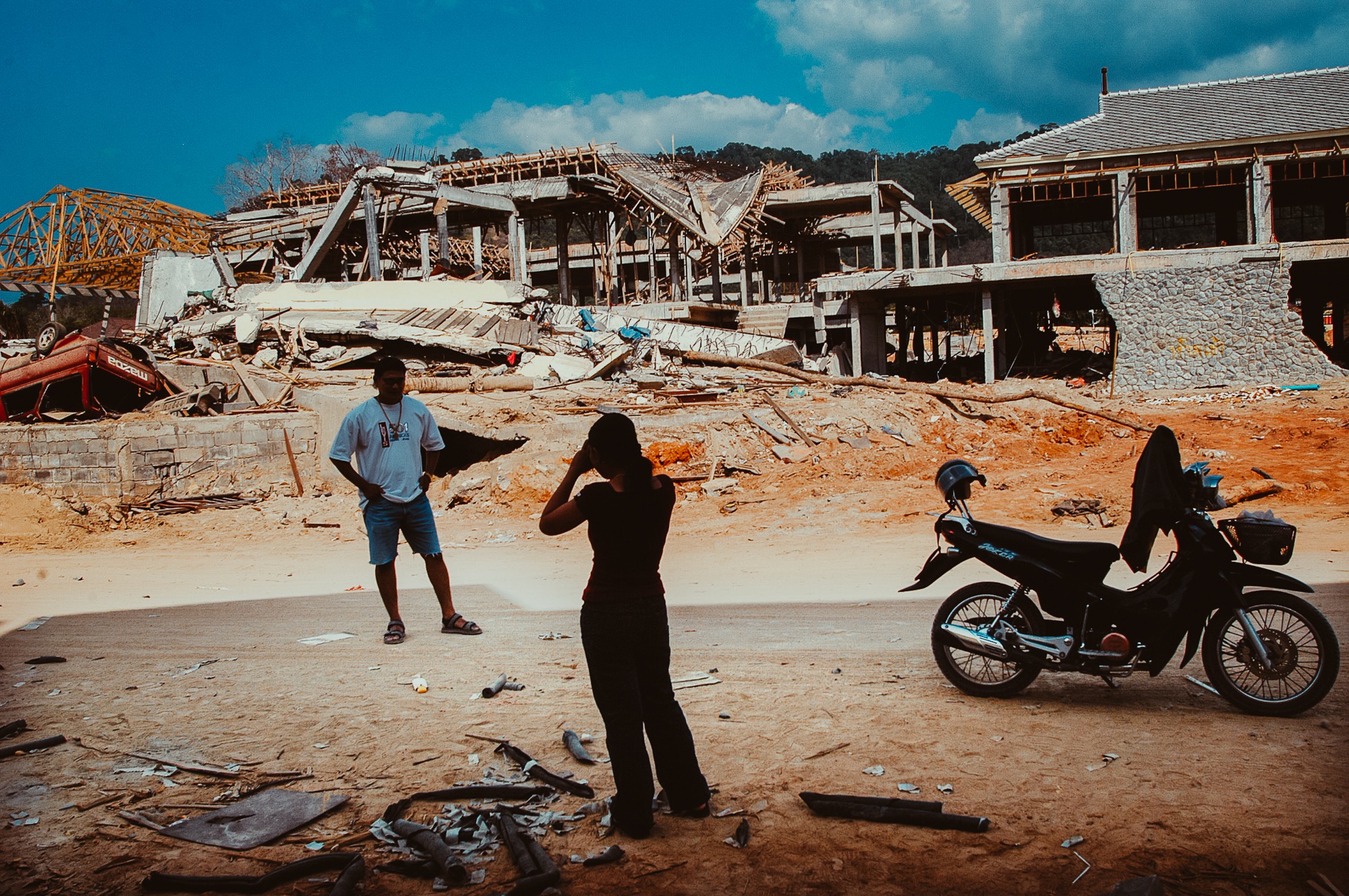
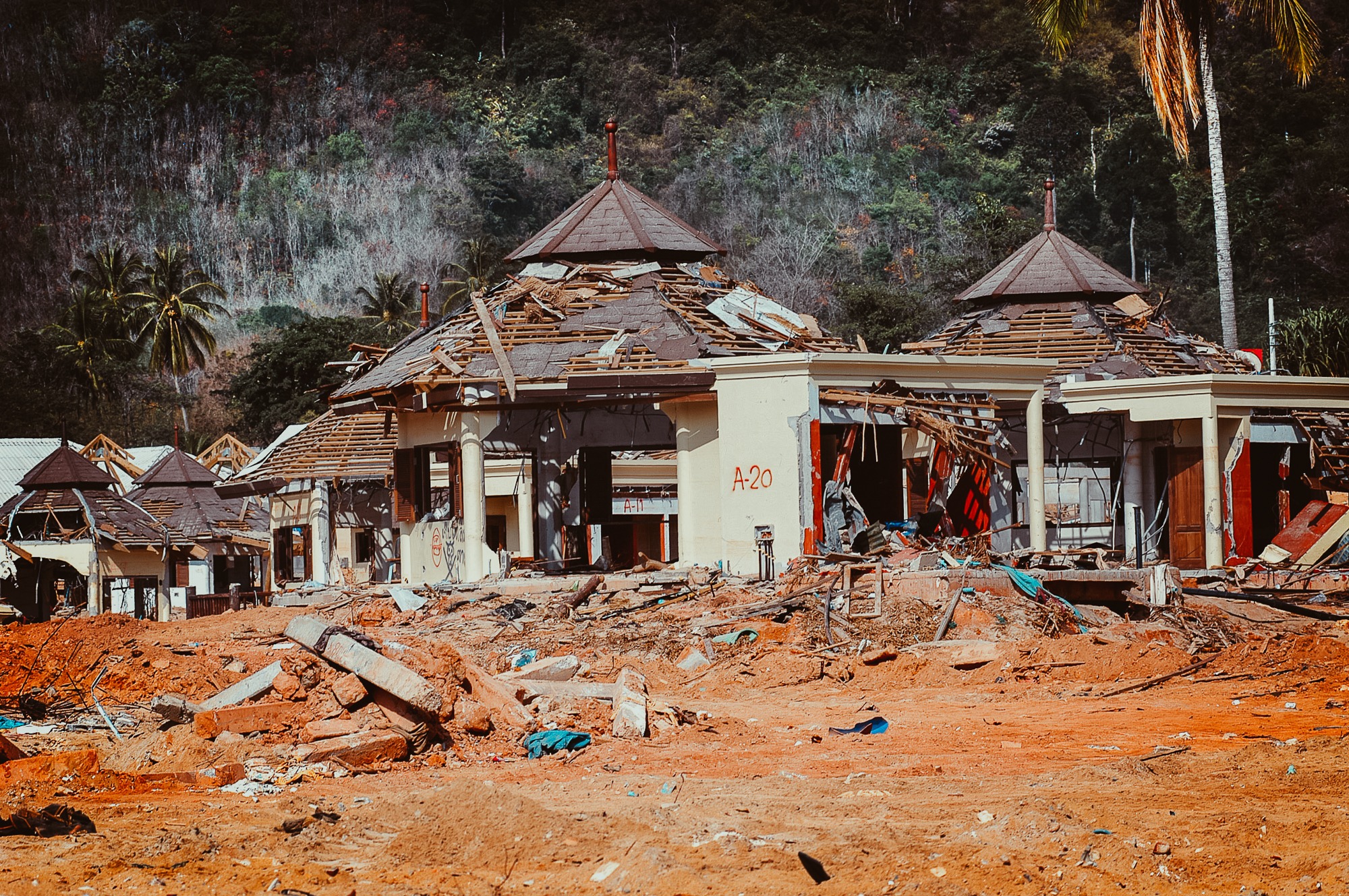
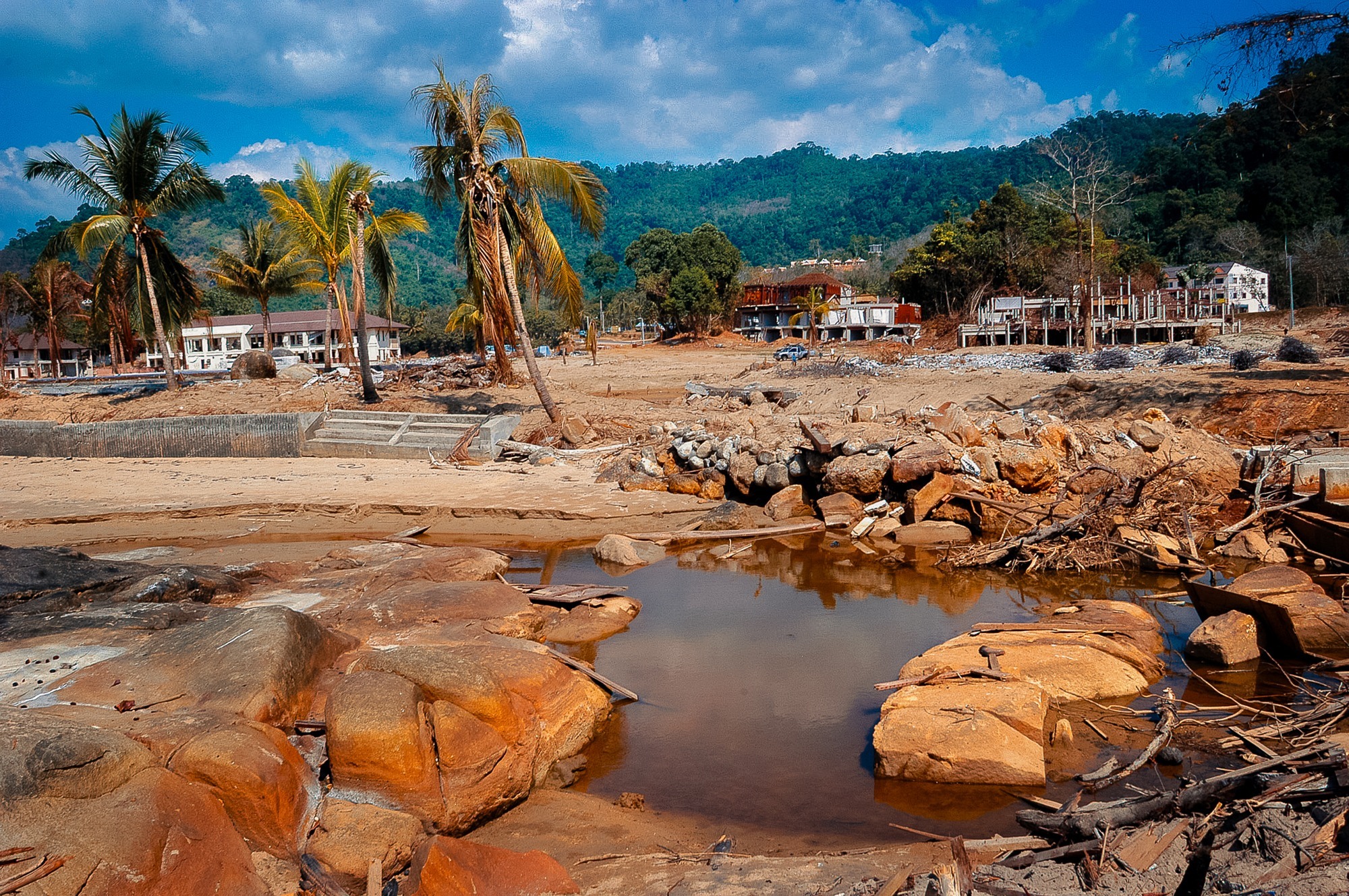
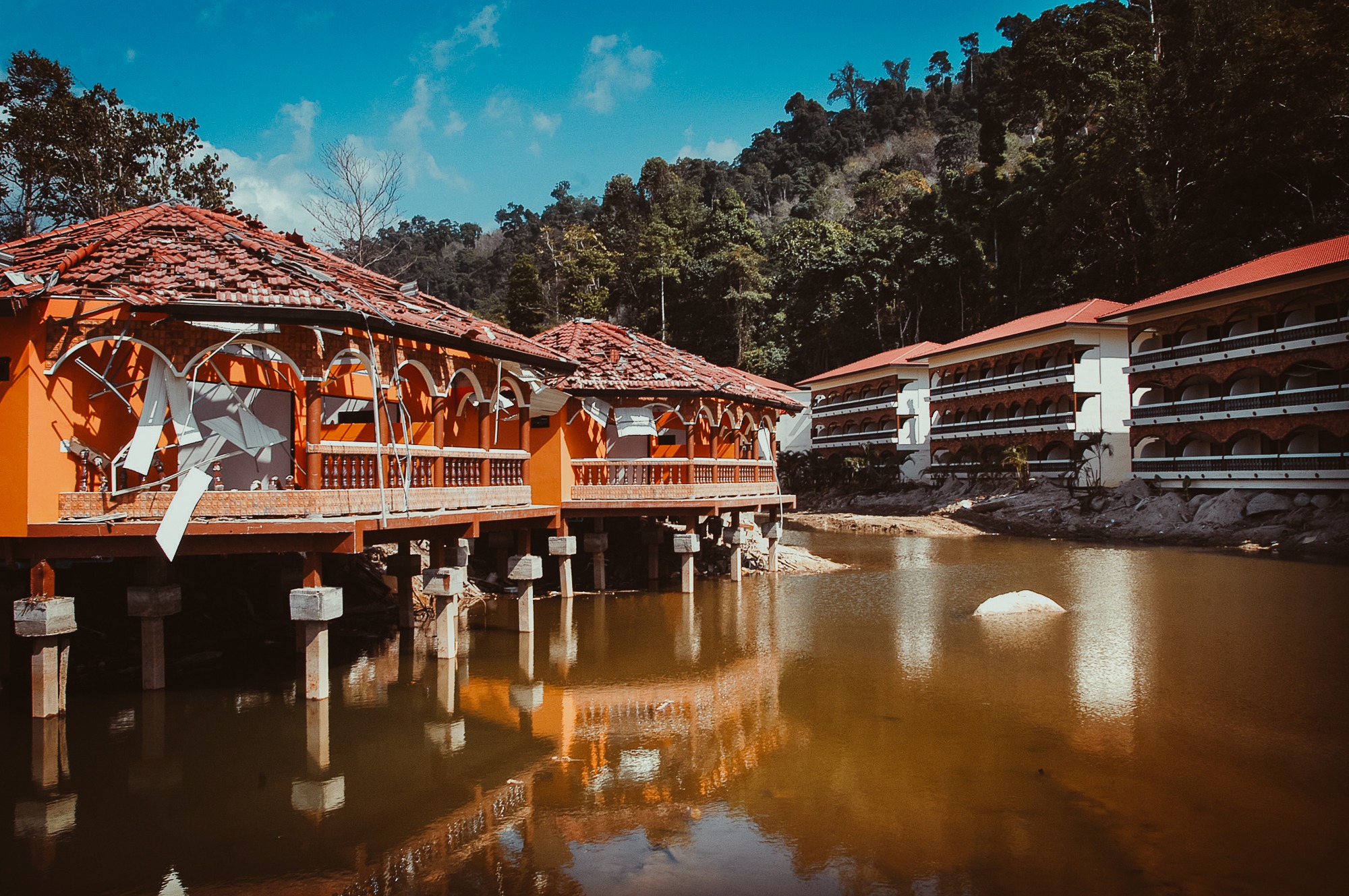
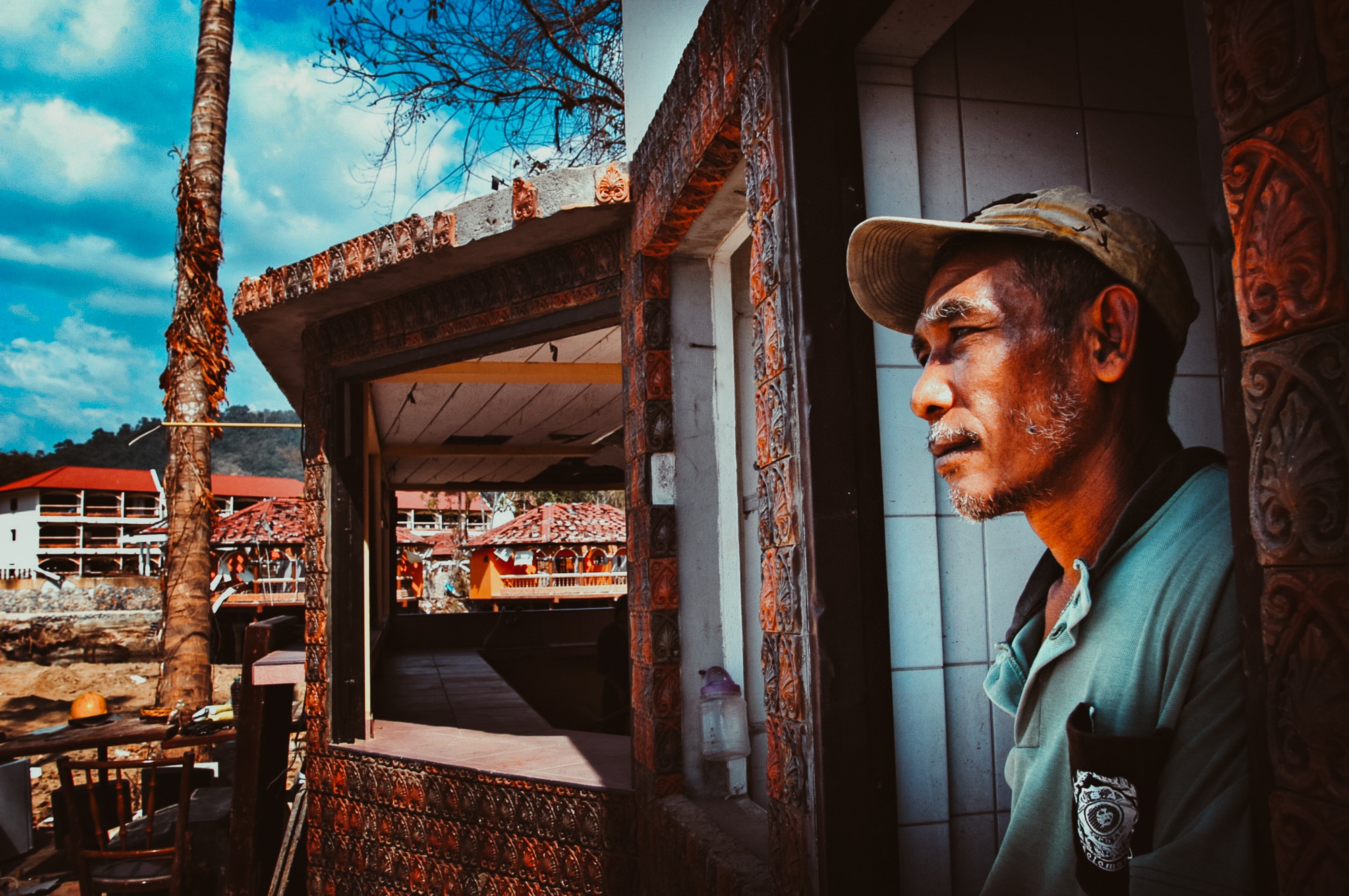
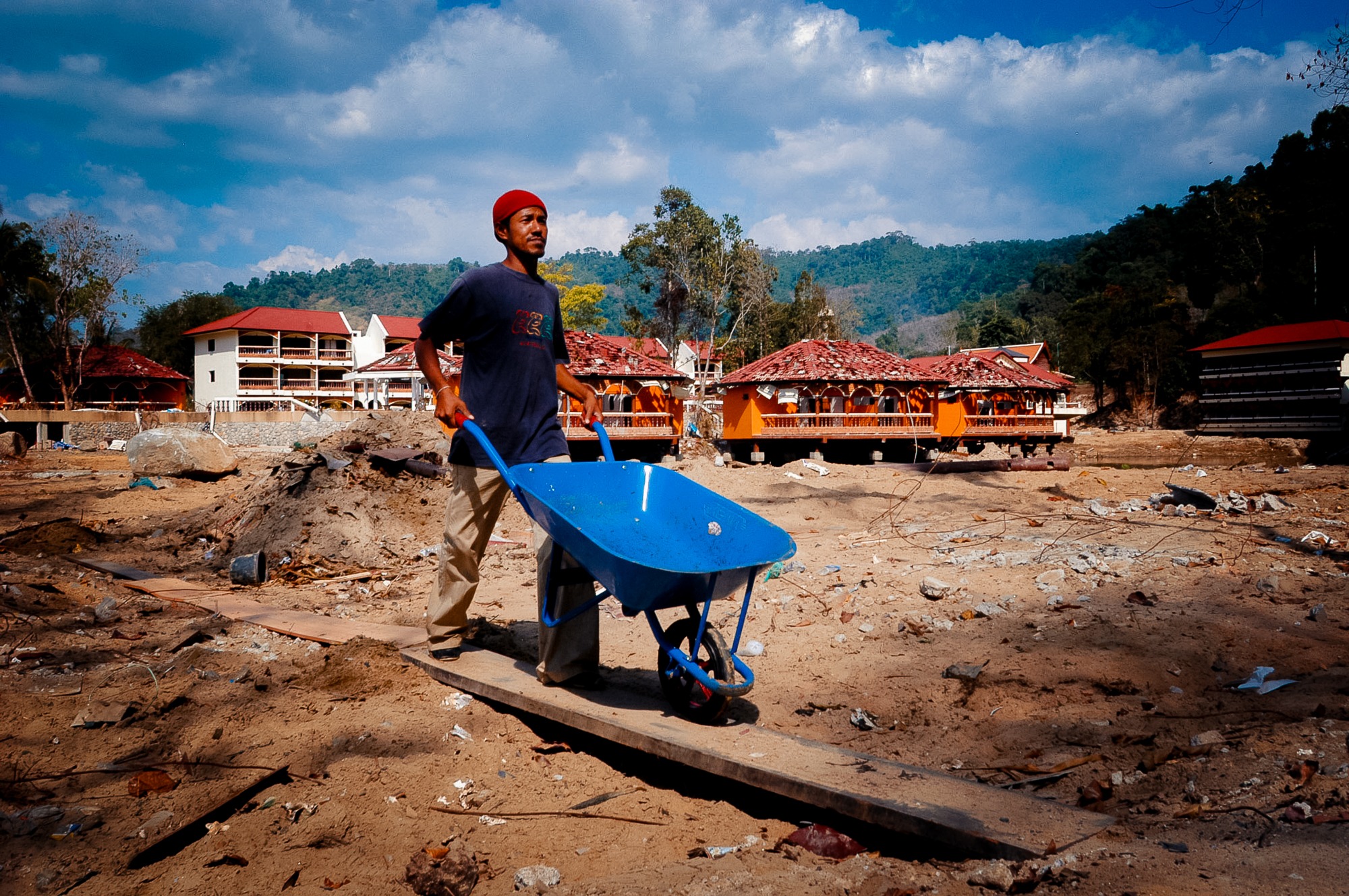
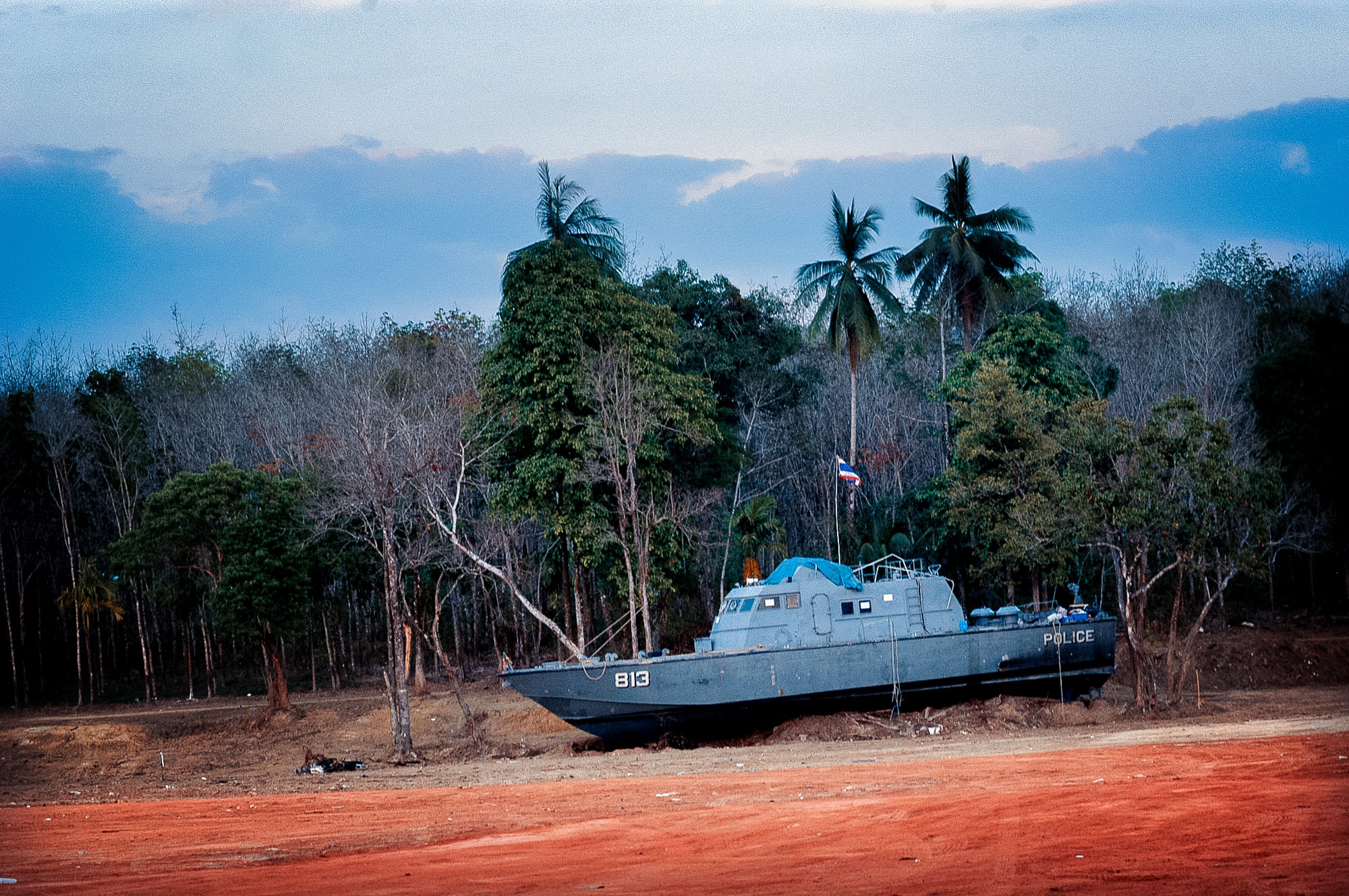
These images document the Khao Lak area, located in Phang Nga Province, Thailand, which suffered the most severe devastation from the 2004 Asian Tsunami. With wave run-ups reaching up to 12m, the flat coastal strip was completely overwhelmed, resulting in the highest casualty rate in Thailand and the complete destruction of most resorts and coastal communities in the area.
the Khoa Lak area, Thailand, which was severely affected by the Asian Tsunami
2005. Photograph by Sophie Laslett, The Times
the Khoa Lak area, Thailand, which was severely affected by the Asian Tsunami
2005. Photograph by Sophie Laslett, The Times
the Khoa Lak area, Thailand, which was severely affected by the Asian Tsunami
2005. Photograph by Sophie Laslett, The Times
the Khoa Lak area, Thailand, which was severely affected by the Asian Tsunami
2005. Photograph by Sophie Laslett, The Times
the Khoa Lak area, Thailand, which was severely affected by the Asian Tsunami
2005. Photograph by Sophie Laslett, The Times
the Khoa Lak area, Thailand, which was severely affected by the Asian Tsunami
2005. Photograph by Sophie Laslett, The Times
the Khoa Lak area, Thailand, which was severely affected by the Asian Tsunami
2005. Photograph by Sophie Laslett, The Times
the Khoa Lak area, Thailand, which was severely affected by the Asian Tsunami
2005. Photograph by Sophie Laslett, The Times
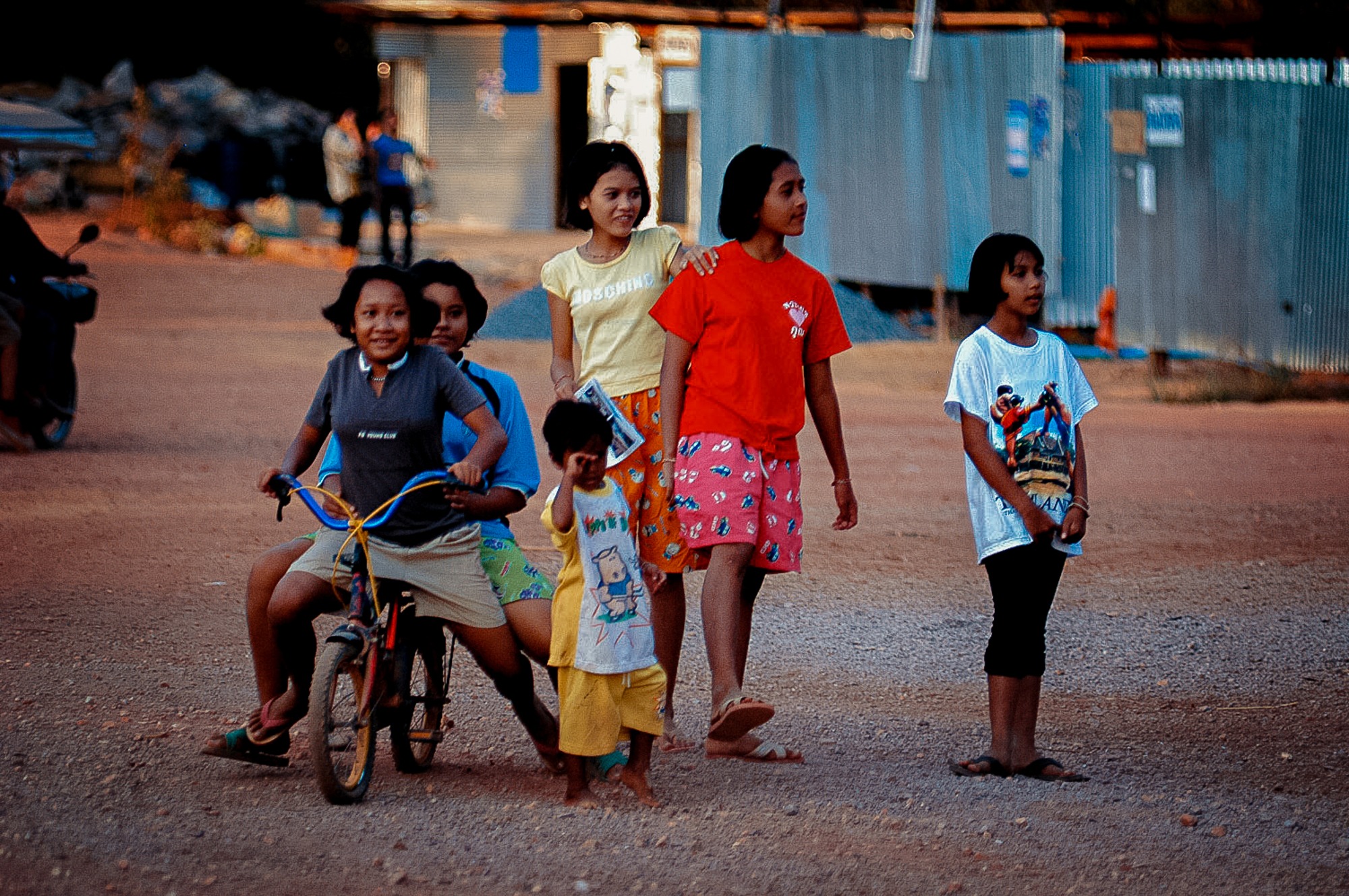
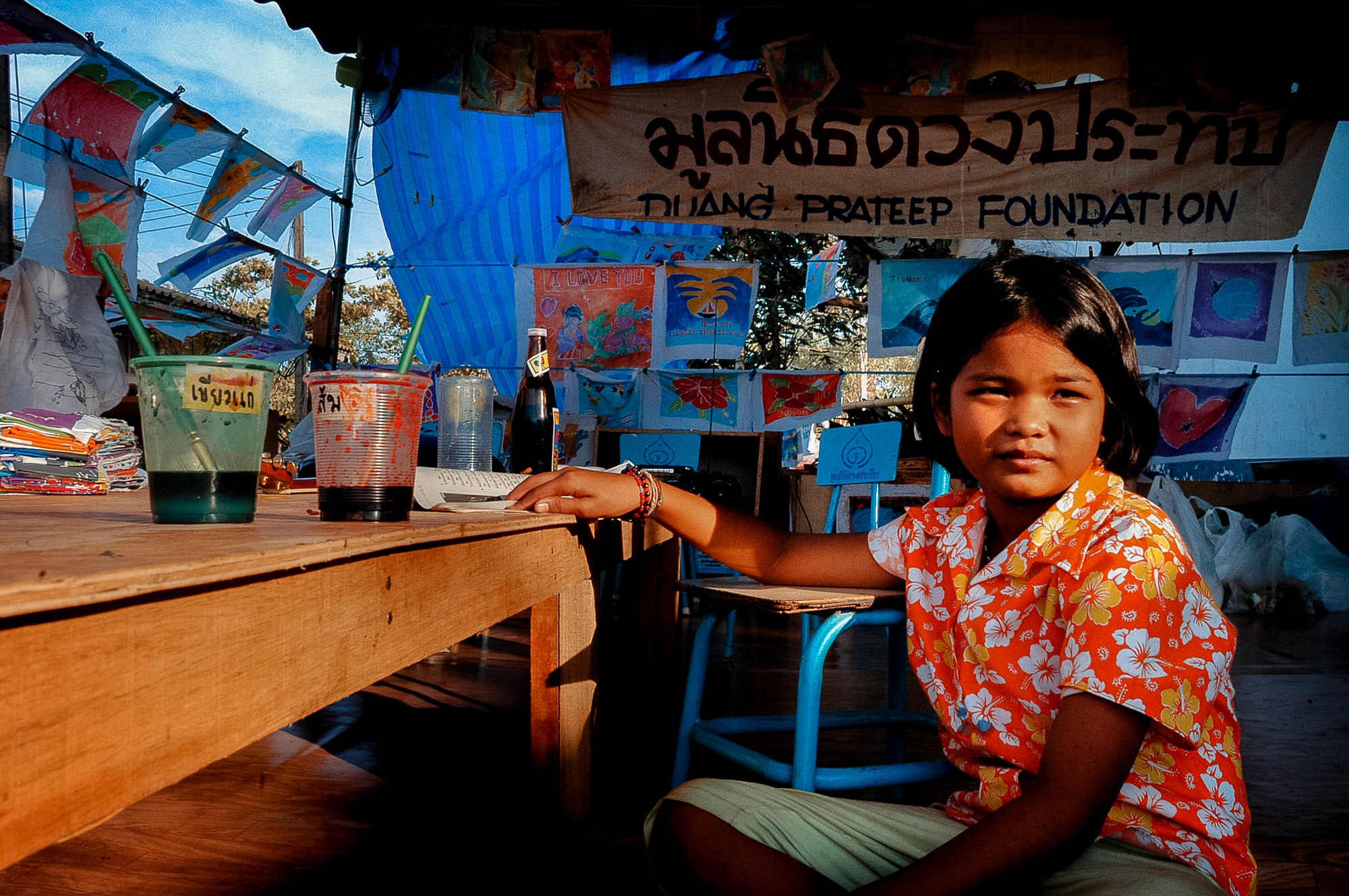
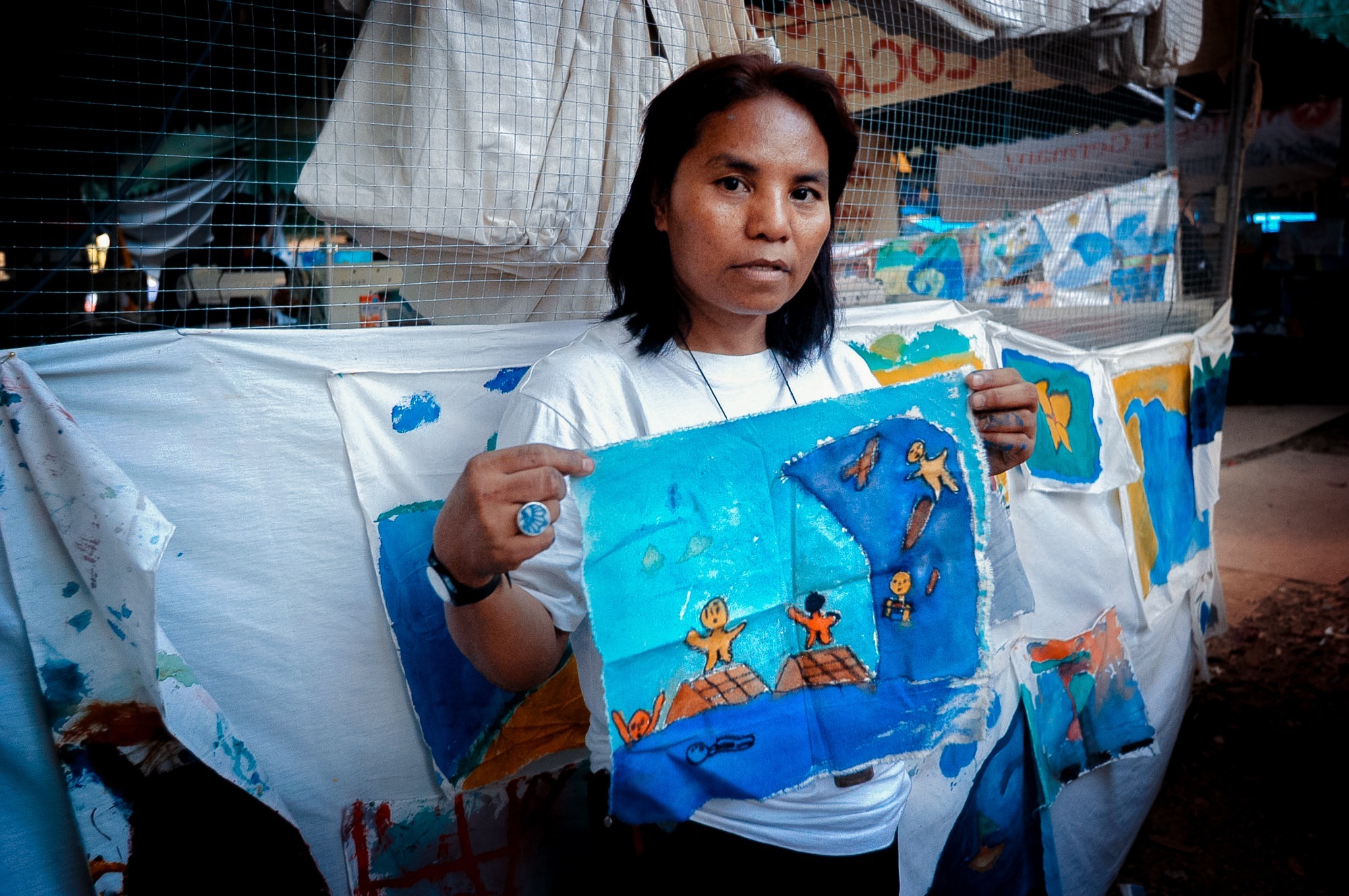
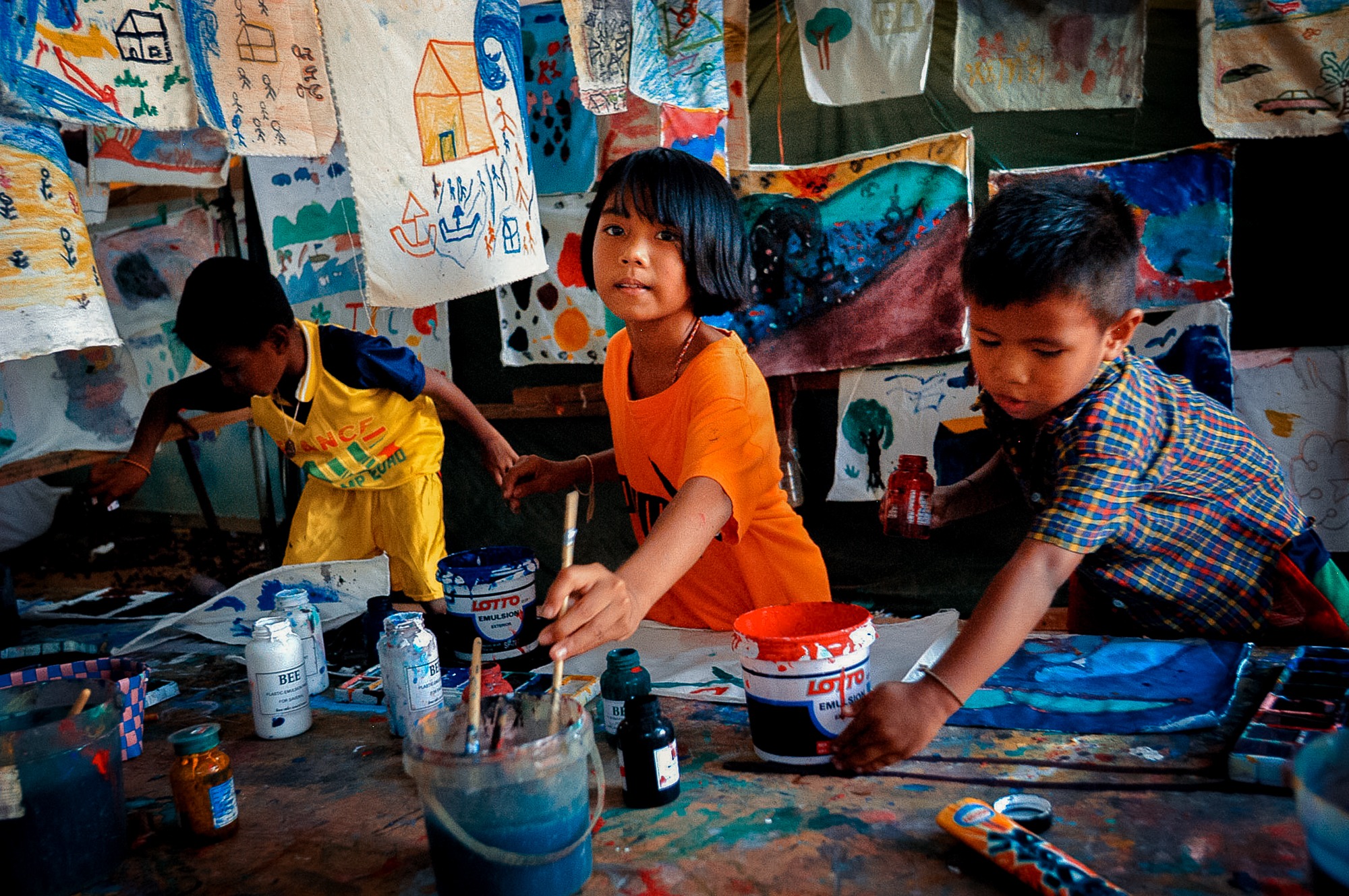
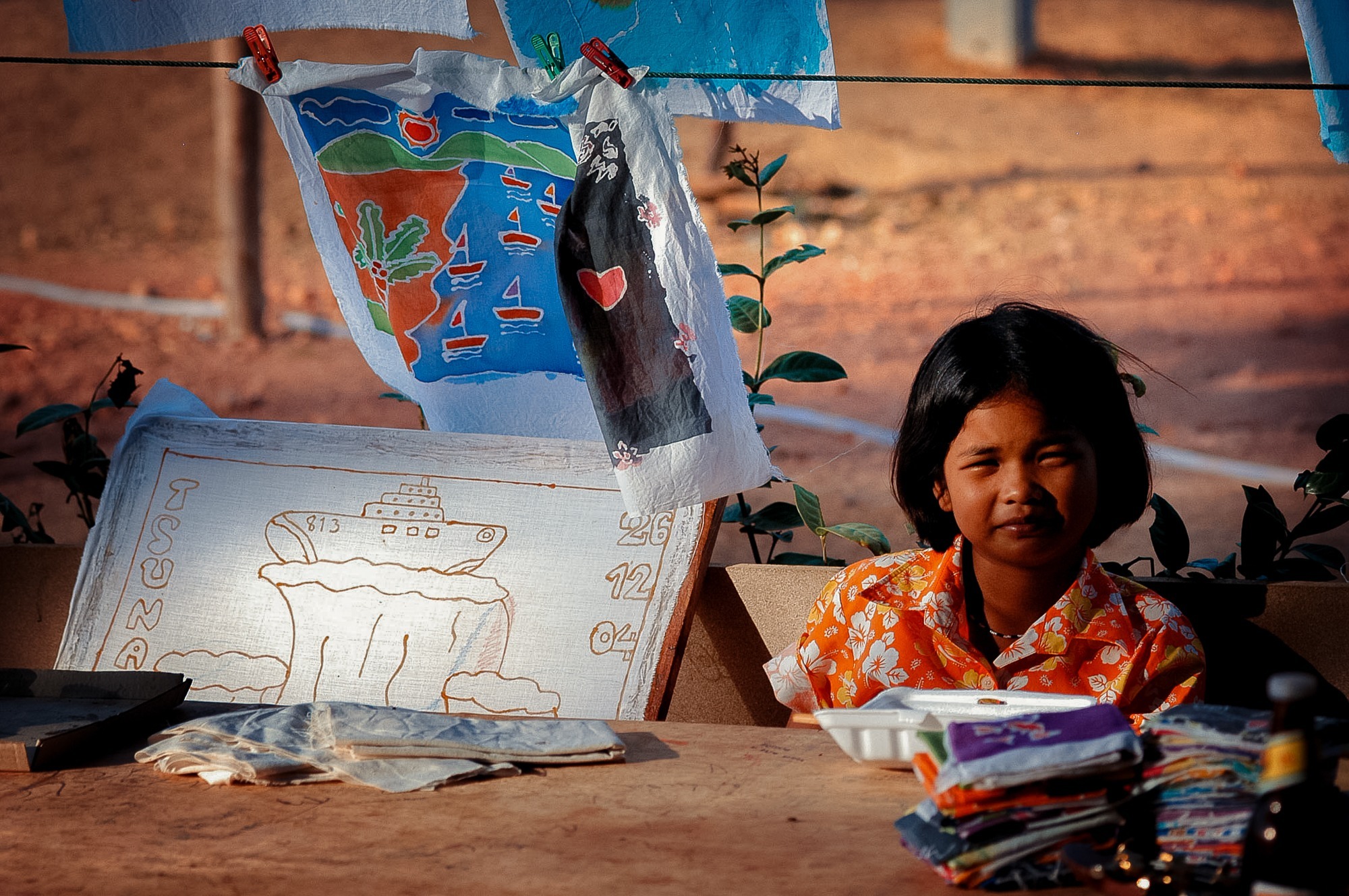
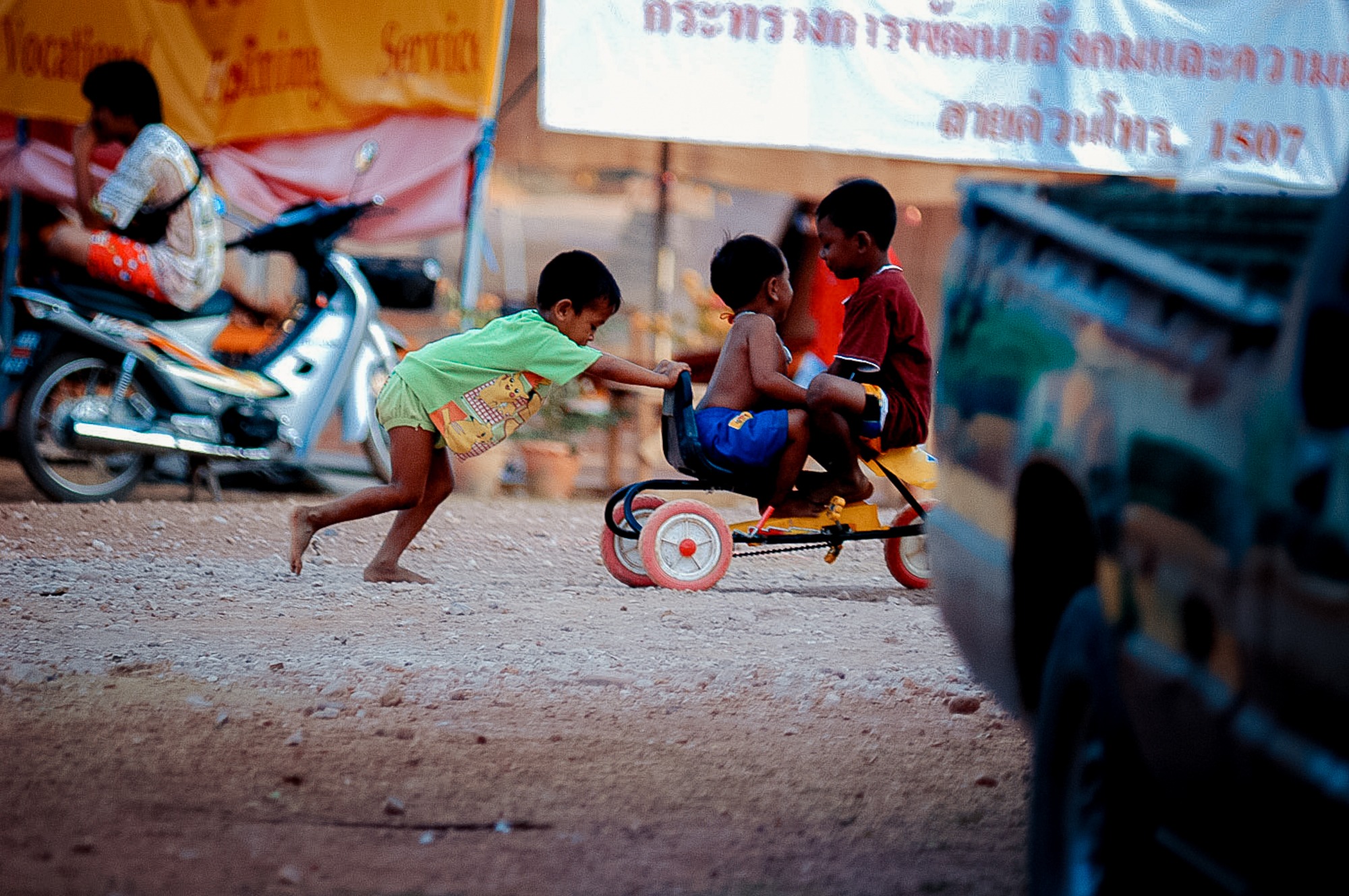
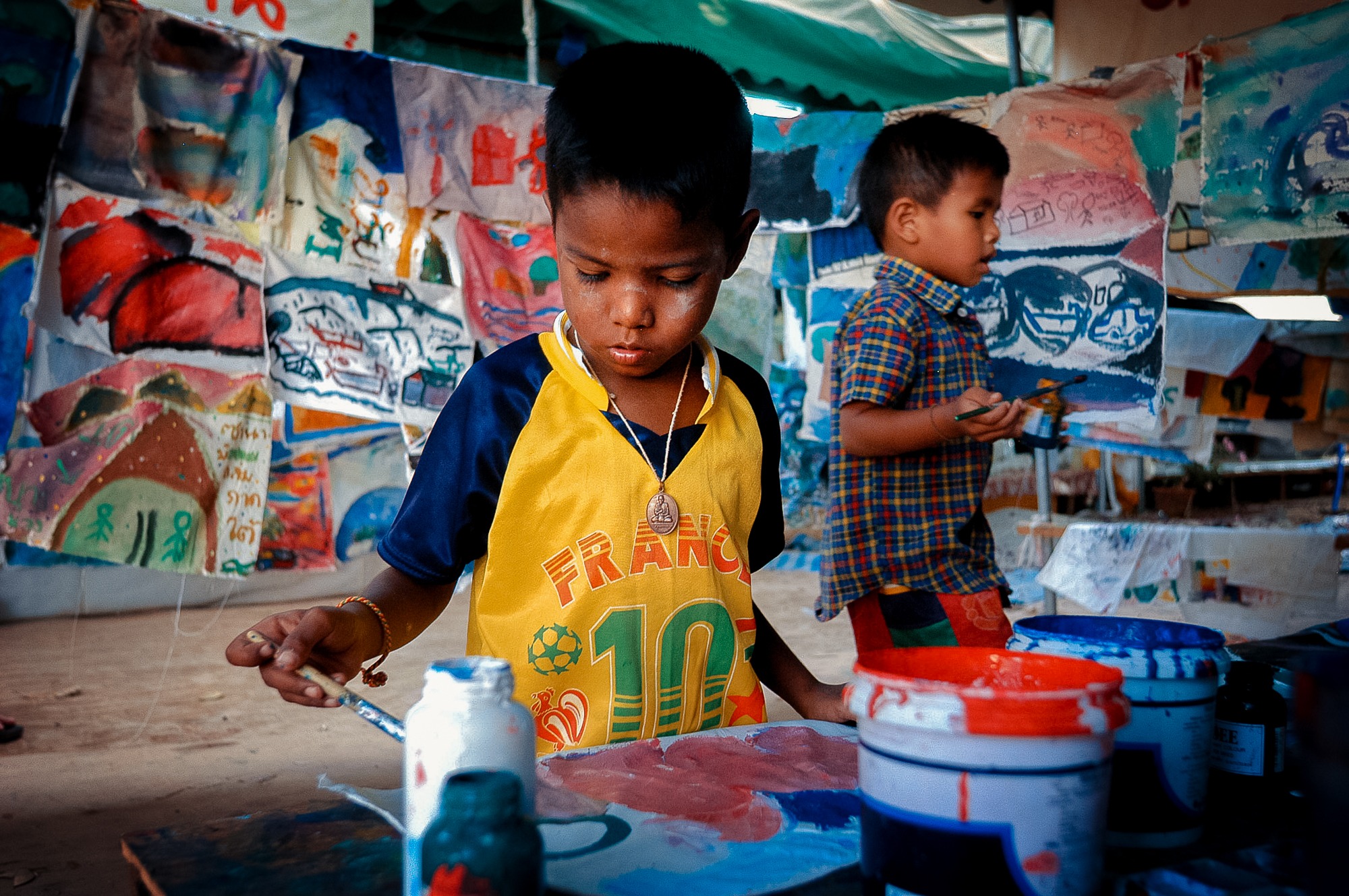
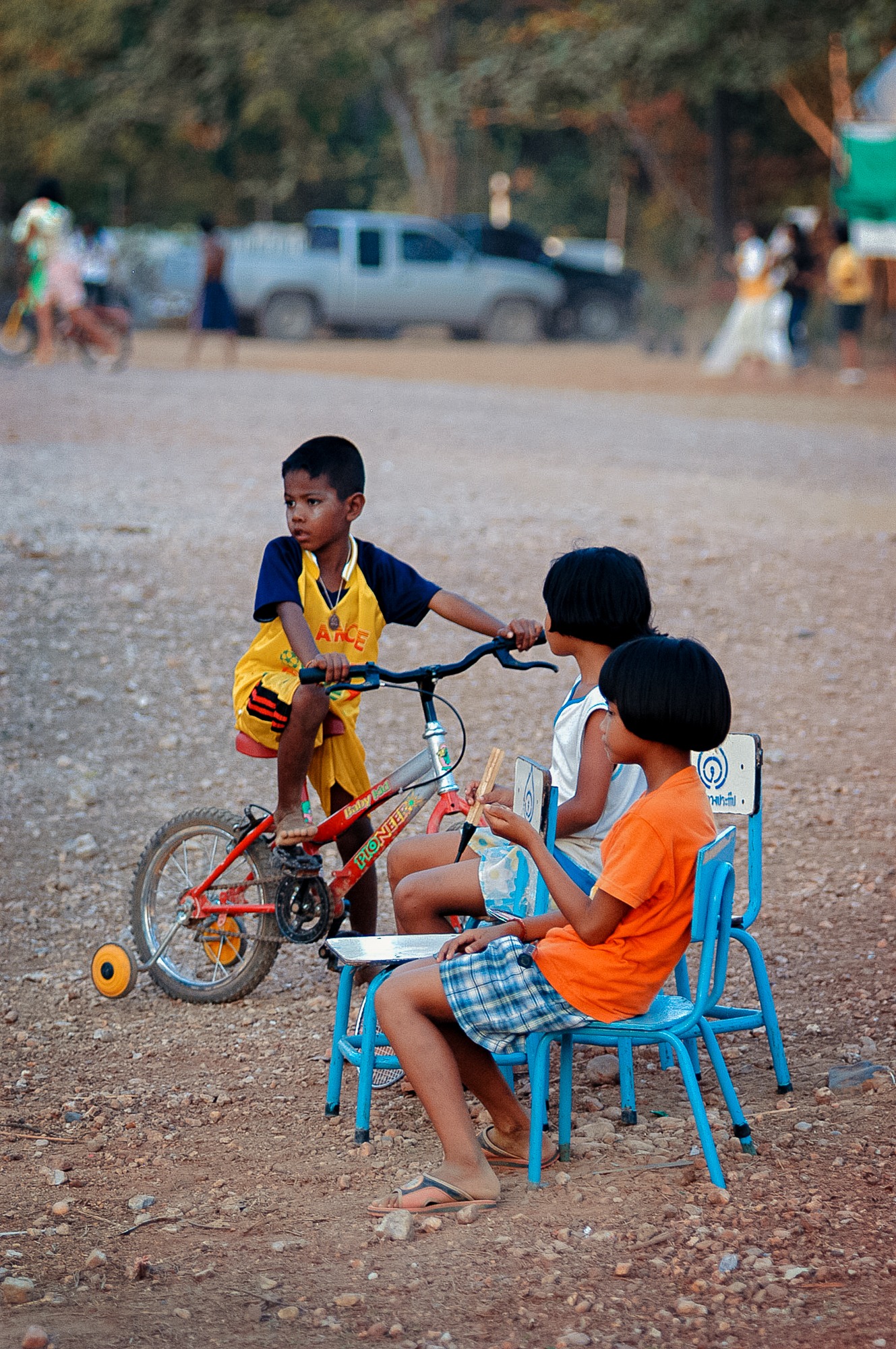
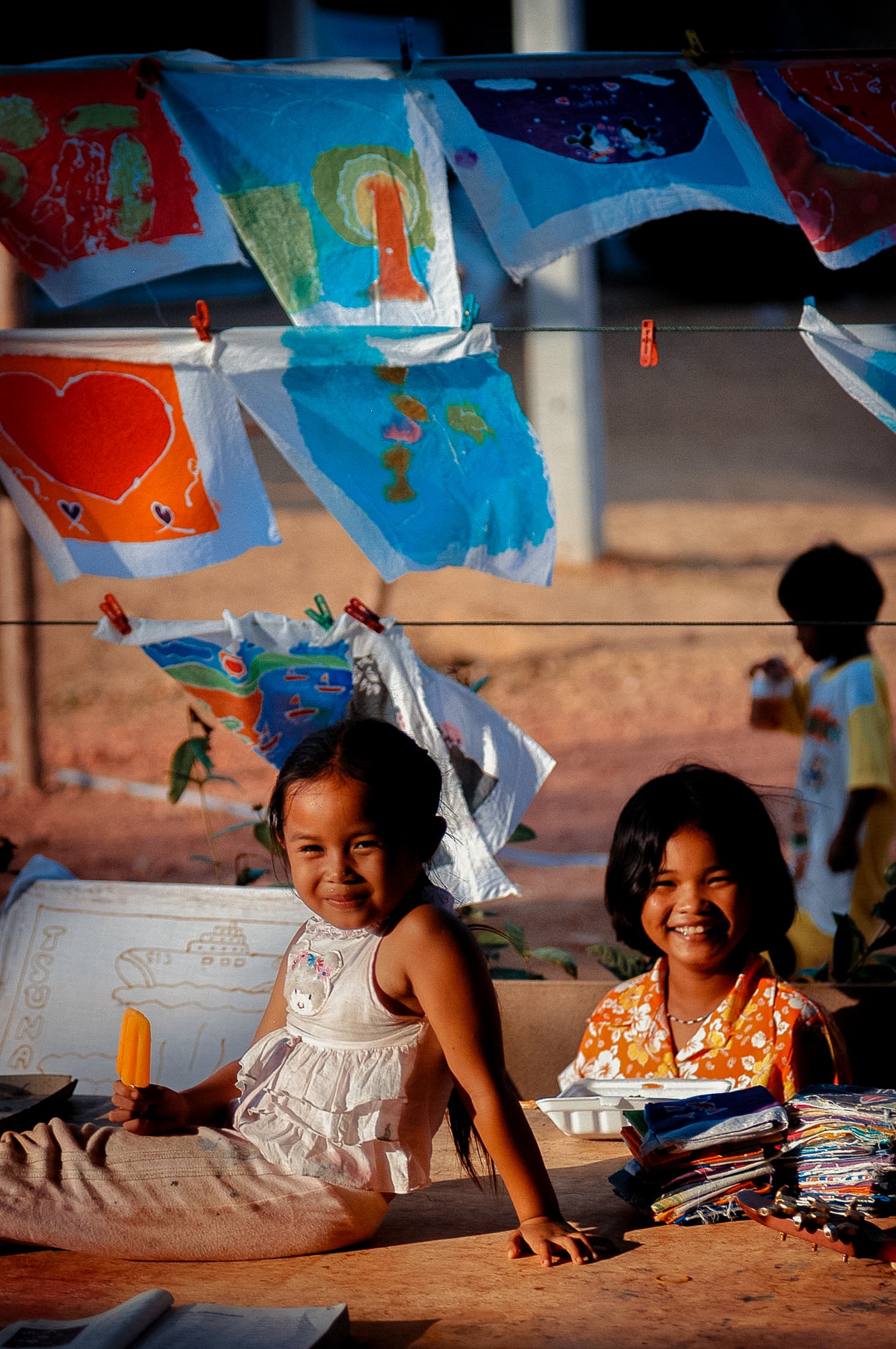
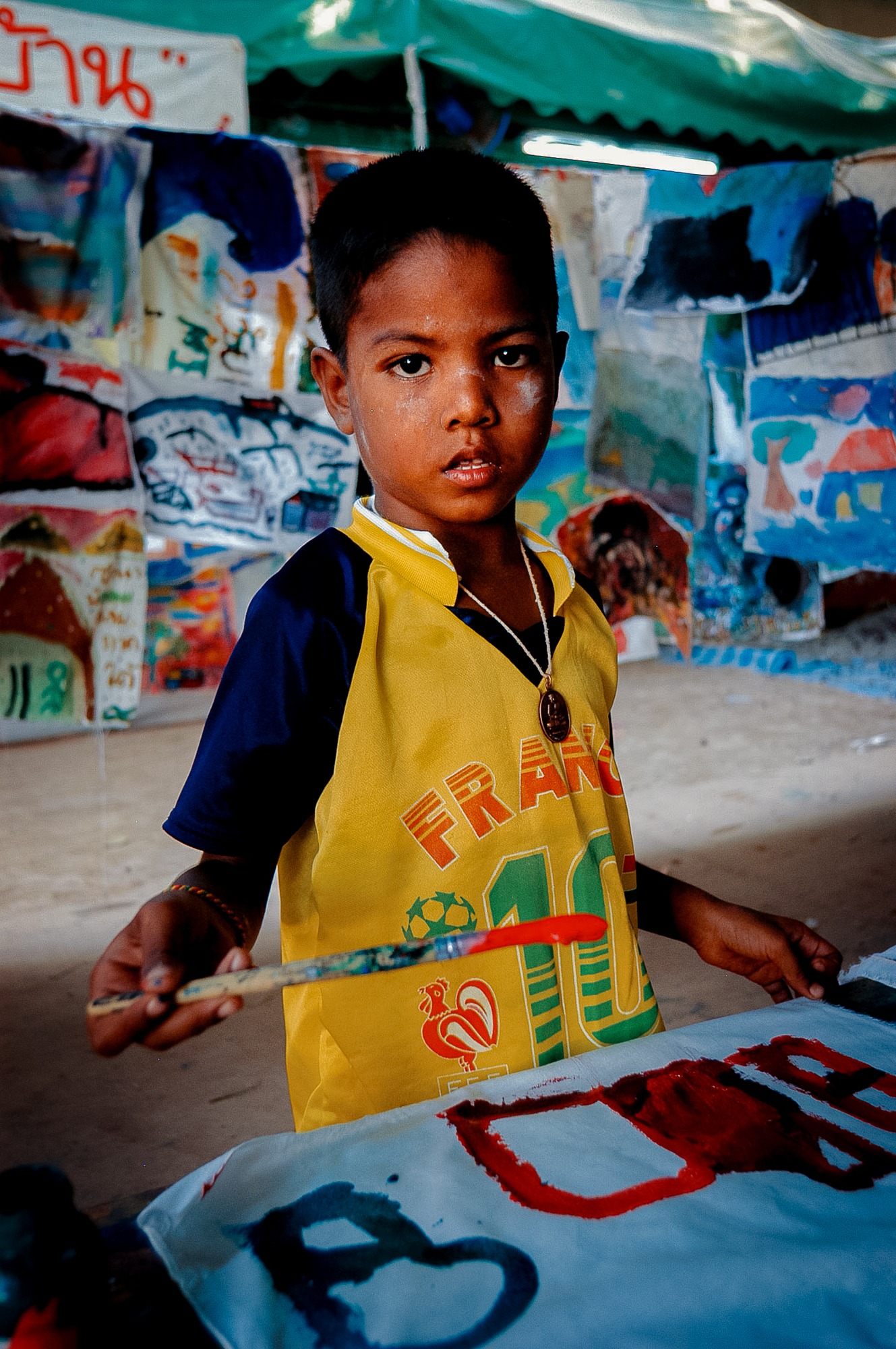
On February 4, 2005, I documented the humanitarian efforts at the Duang Prateep Foundation, a Thai charity assisting victims of the Tsunami, located approximately 30 miles from Khao Lak. This assignment focused on the children made homeless by the disaster. Photographs include five-year-old Sahadsawat Cheuykid and six-year-old Athapon Jadsadarom engaged in therapeutic painting, and Chatchada Kruakaew, a Foundation worker, holding a painting depicting the Tsunami created by a young boy staying at the camp.
Children made homeless by the Asian Tsunami playing at Duang Prateep Foundation which is based 30 miles from Khao Lak, Thailand
2005. Photograph by Sophie Laslett, The Times
Children made homeless by the Asian Tsunami playing at Duang Prateep Foundation which is based 30 miles from Khao Lak, Thailand. Picture shows Thanawadee Ratana (9yrs)
2005. Photograph by Sophie Laslett, The Times
Chatchada Kruakaew who works for the Duand Preteep Foundation, (a Thai charity helping the refugees) holding a painting of the Tsunami which was painted by a young boy staying at the camp. Thailand
2005. Photograph by Sophie Laslett, The Times
Children made homeless by the Asian Tsunami playing at Duang Prateep Foundation which is based 30 miles from Khao Lak, Thailand. Picture shows Sahadsawat Cheuykid (5yrs) painting
2005. Photograph by Sophie Laslett, The Times
Sahadsawat Cheuykid (5yrs, right) and Athapon Jadsadarom (6yrs left) painting with little girl (centre, name unknown)
2005. Photograph by Sophie Laslett, The Times
Children made homeless by the Asian Tsunami playing at Duang Prateep Foundation which is based 30 miles from Khao Lak, Thailand. Picture shows Thanawadee Ratana (9yrs)
2005. Photograph by Sophie Laslett, The Times
Children made homeless by the Asian Tsunami playing at Duang Prateep Foundation which is based 30 miles from Khao Lak, Thailand
2005. Photograph by Sophie Laslett, The Times
Children made homeless by the Asian Tsunami playing at Duang Prateep Foundation which is based 30 miles from Khao Lak, Thailand. Picture shows Athapon Jadsadarom (6yrs) painting
2005. Photograph by Sophie Laslett, The Times
Children made homeless by the Asian Tsunami playing at Duang Prateep Foundation which is based 30 miles from Khao Lak, Thailand
Thanawadee Ratana (9yrs right) with a friend, sitting beneath paintings done by members of the camp
2005. Photograph by Sophie Laslett, The Times
Children made homeless by the Asian Tsunami playing at Duang Prateep Foundation which is based 30 miles from Khao Lak, Thailand. Picture shows Athapon Jadsadarom (6yrs) painting