This gallery showcases a professional editorial photography archive from various assignments commissioned by The Times between 2006 and 2007.
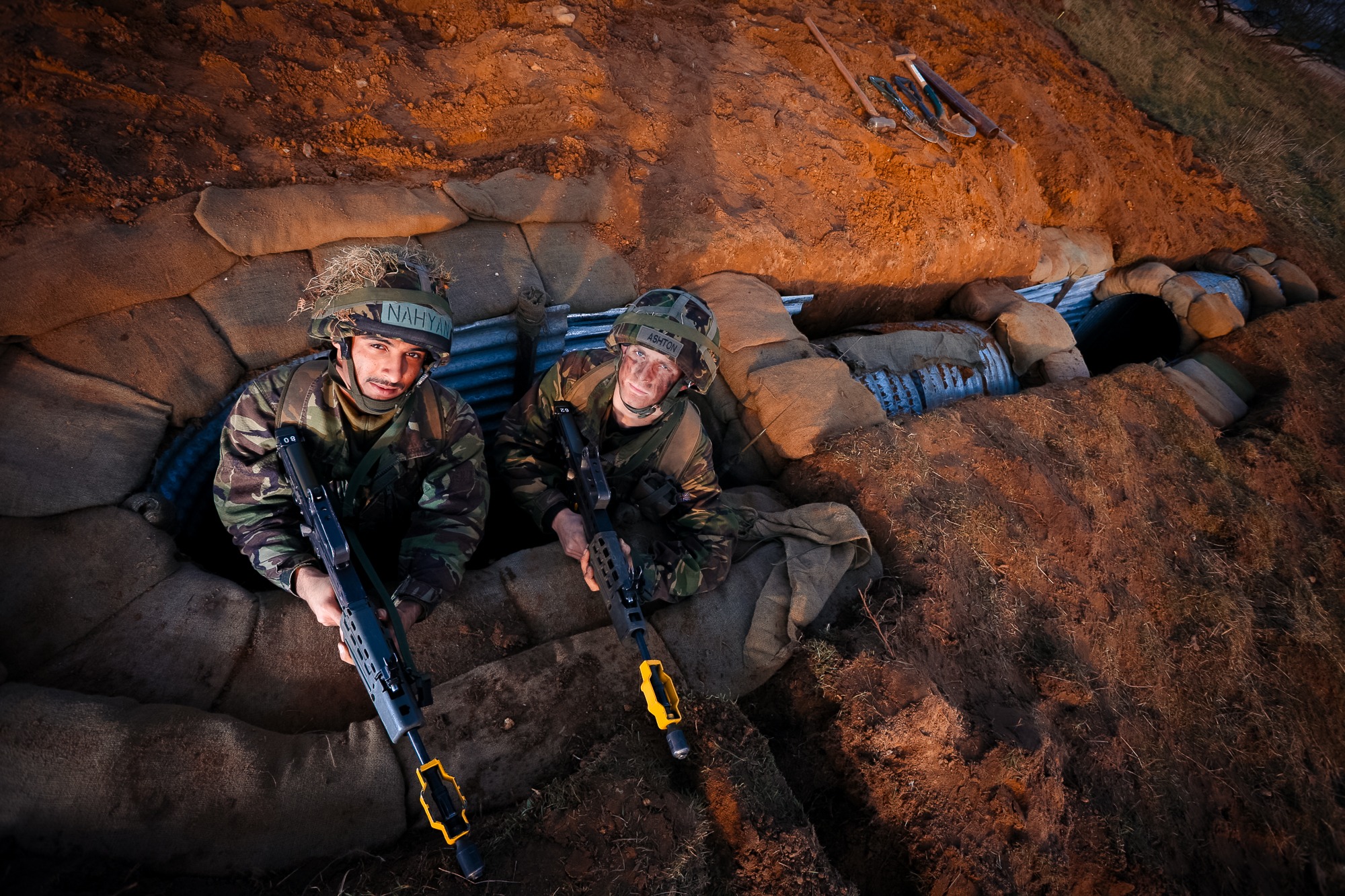
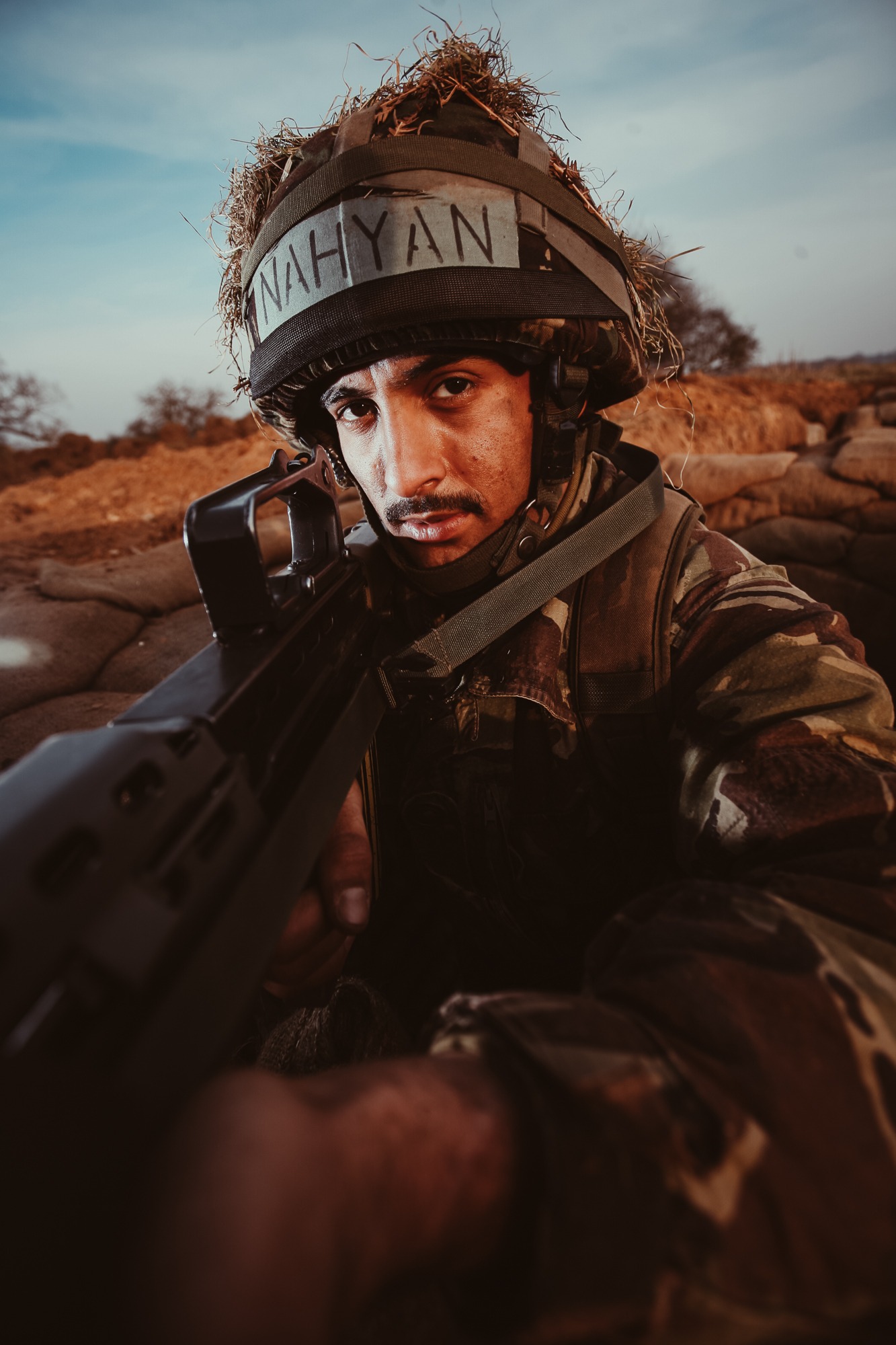
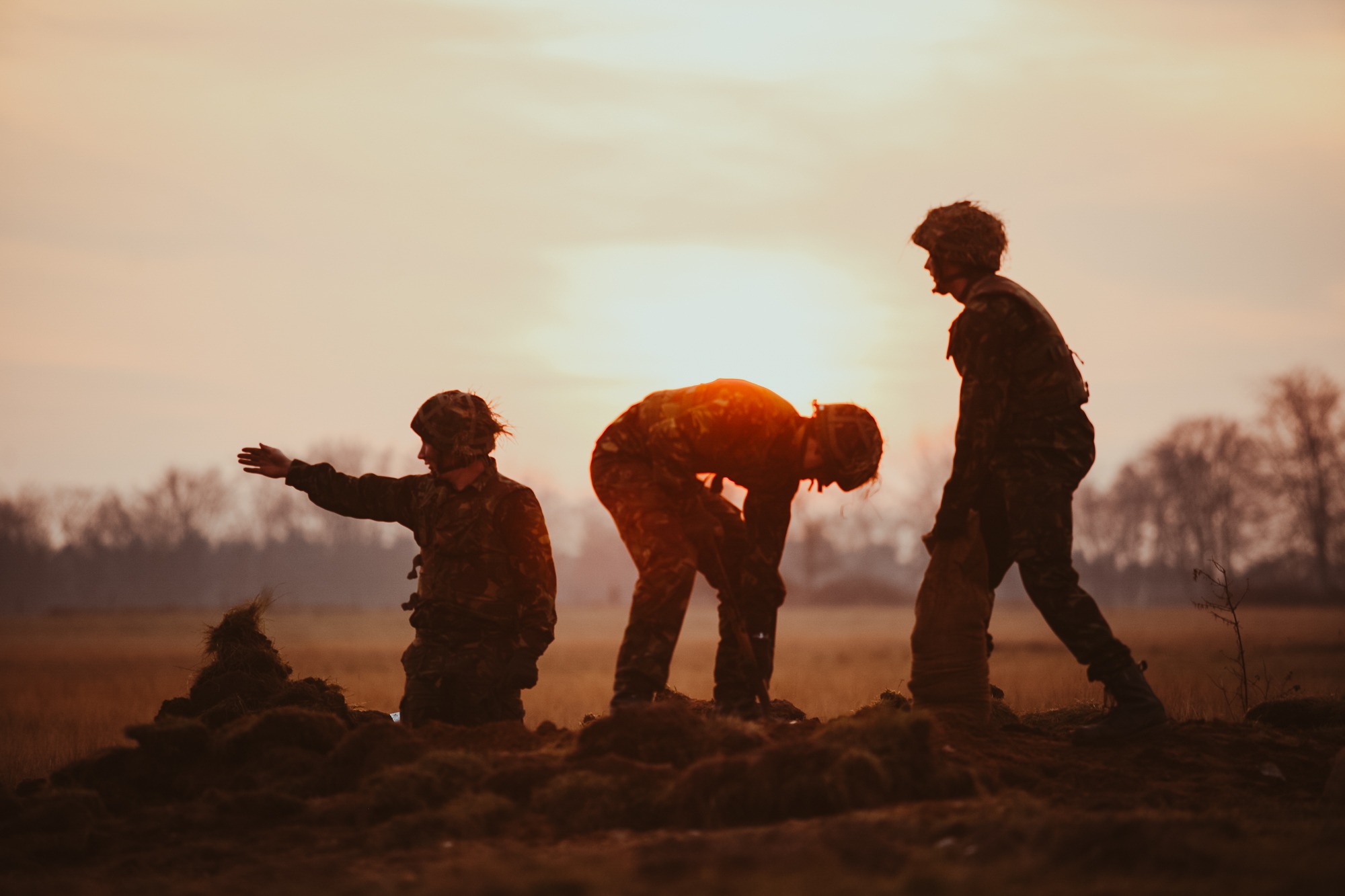
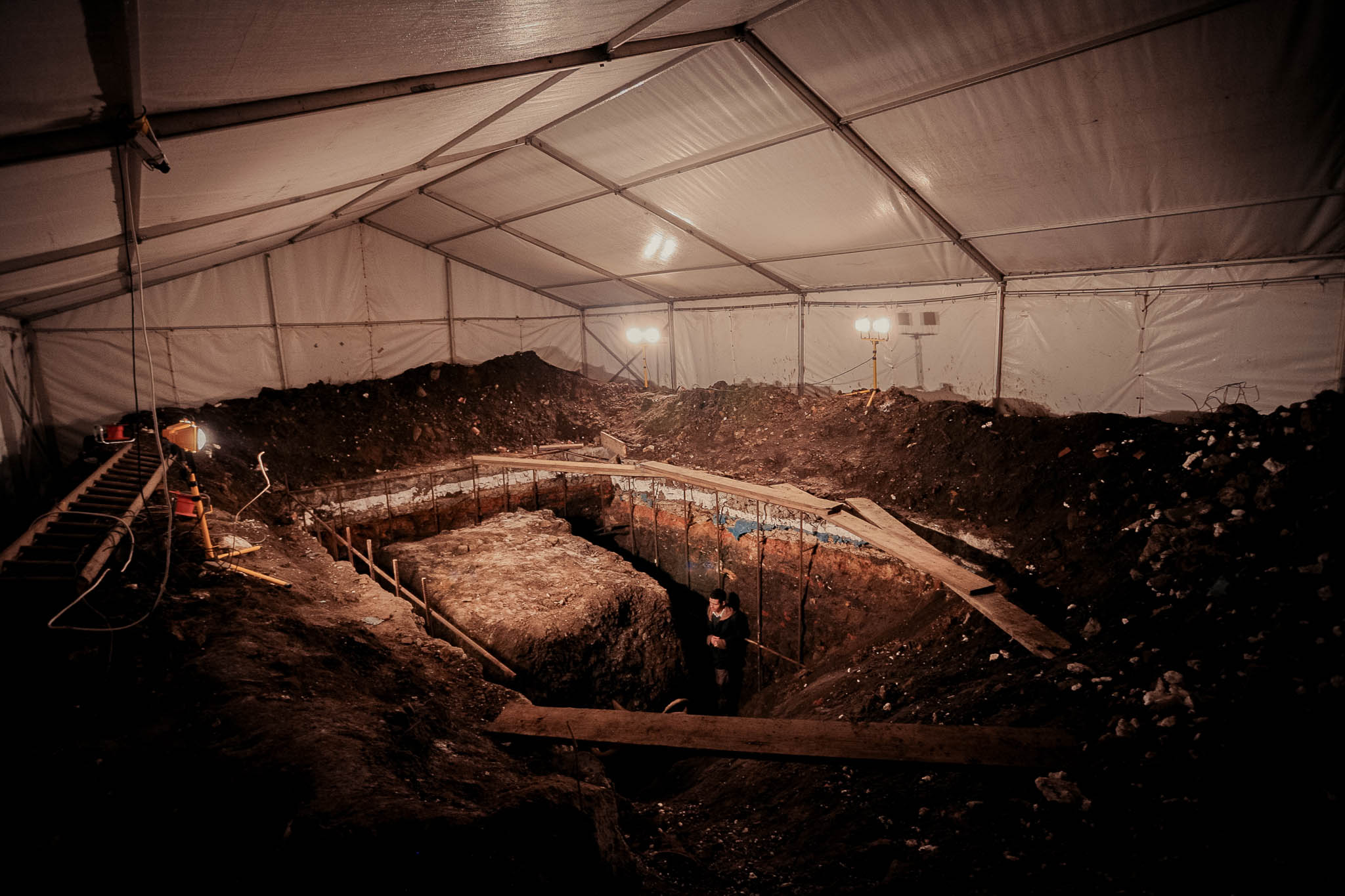
Sandhurst Army Officer during a training exercise digging trenches in Norfolk
2006. Photograph by Sophie Laslett, The Times
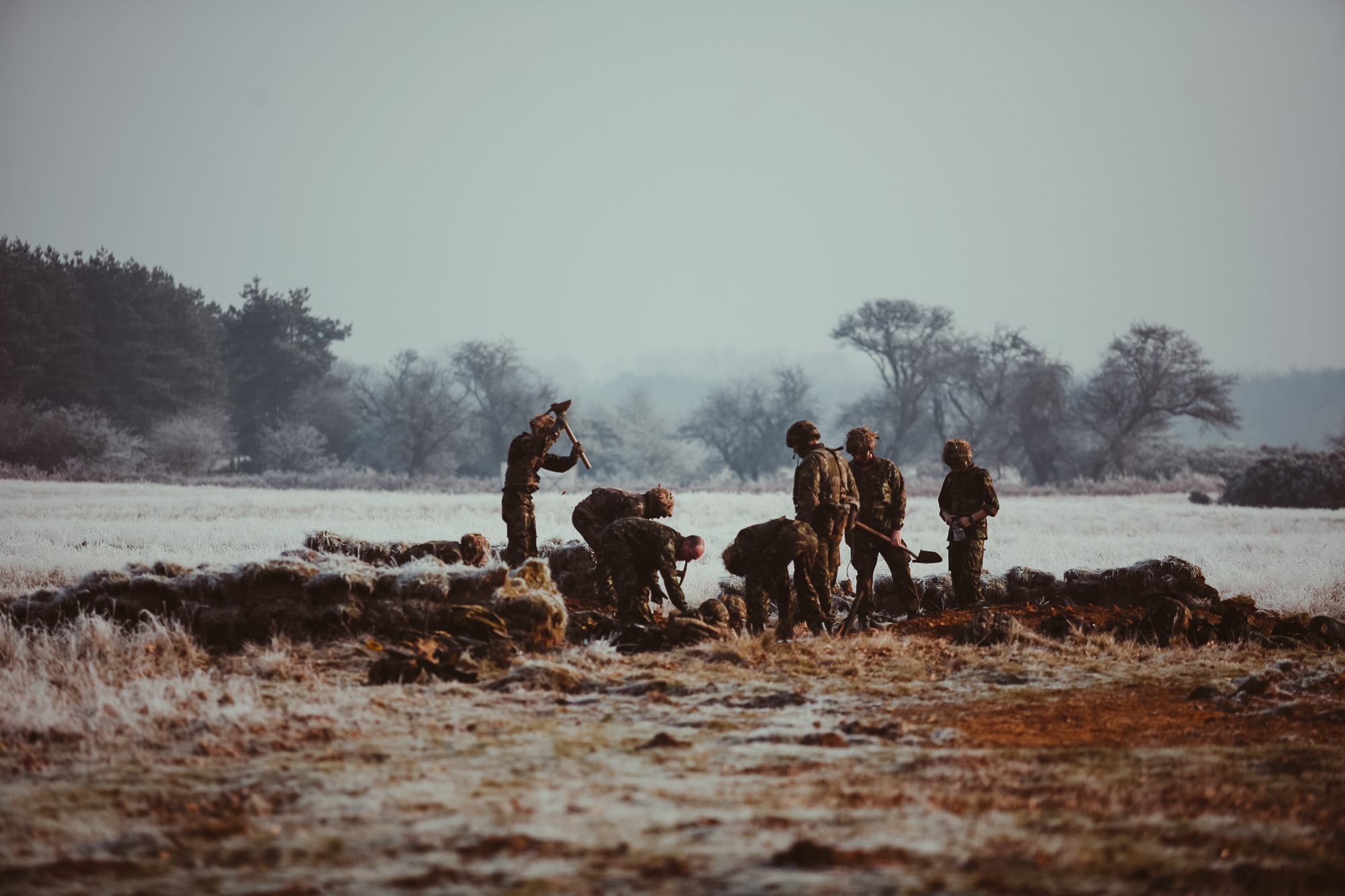
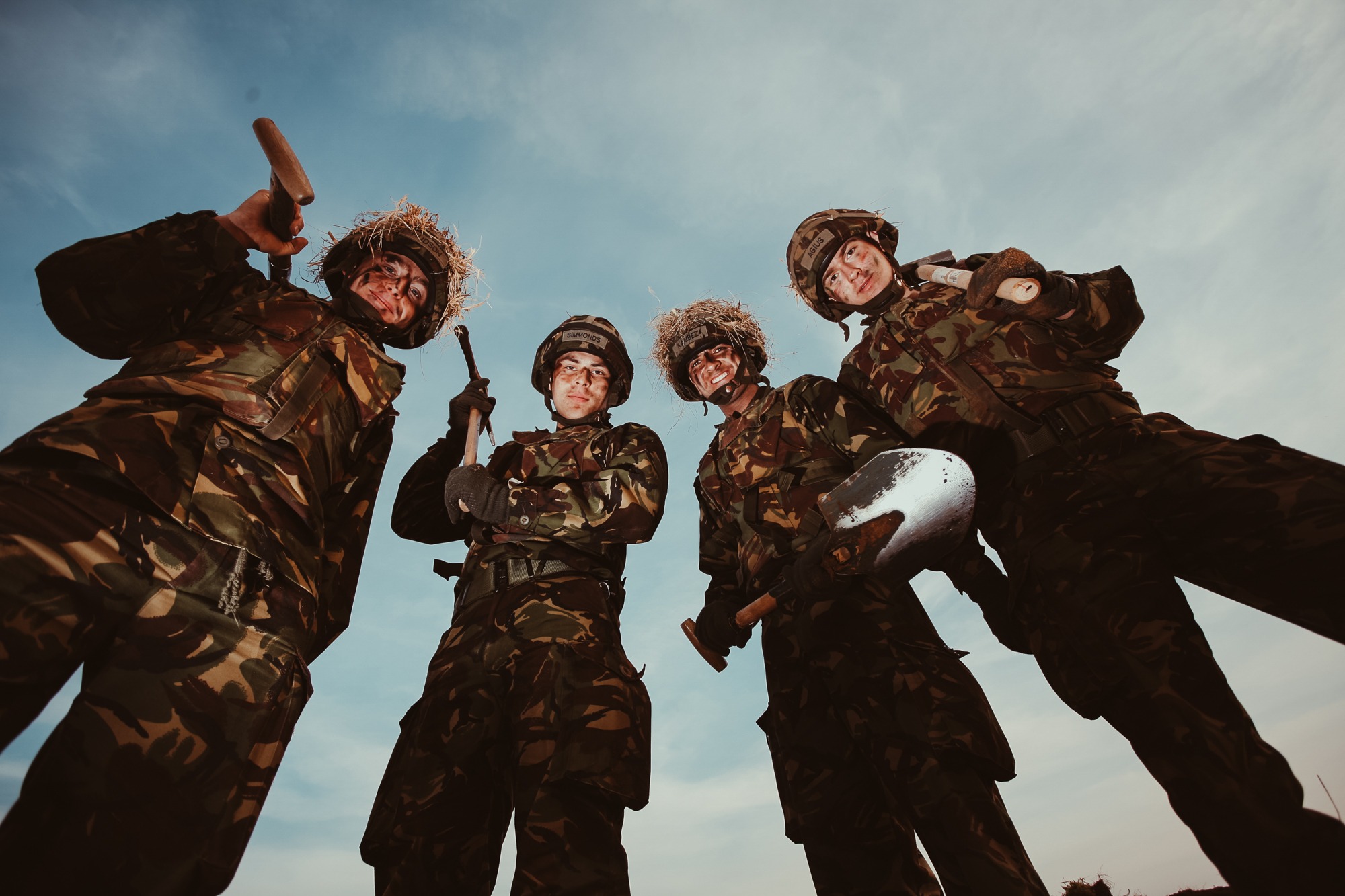
Sandhurst Army Officers during a training exercise digging trenches in Norfolk
2006. Photograph by Sophie Laslett, The Times
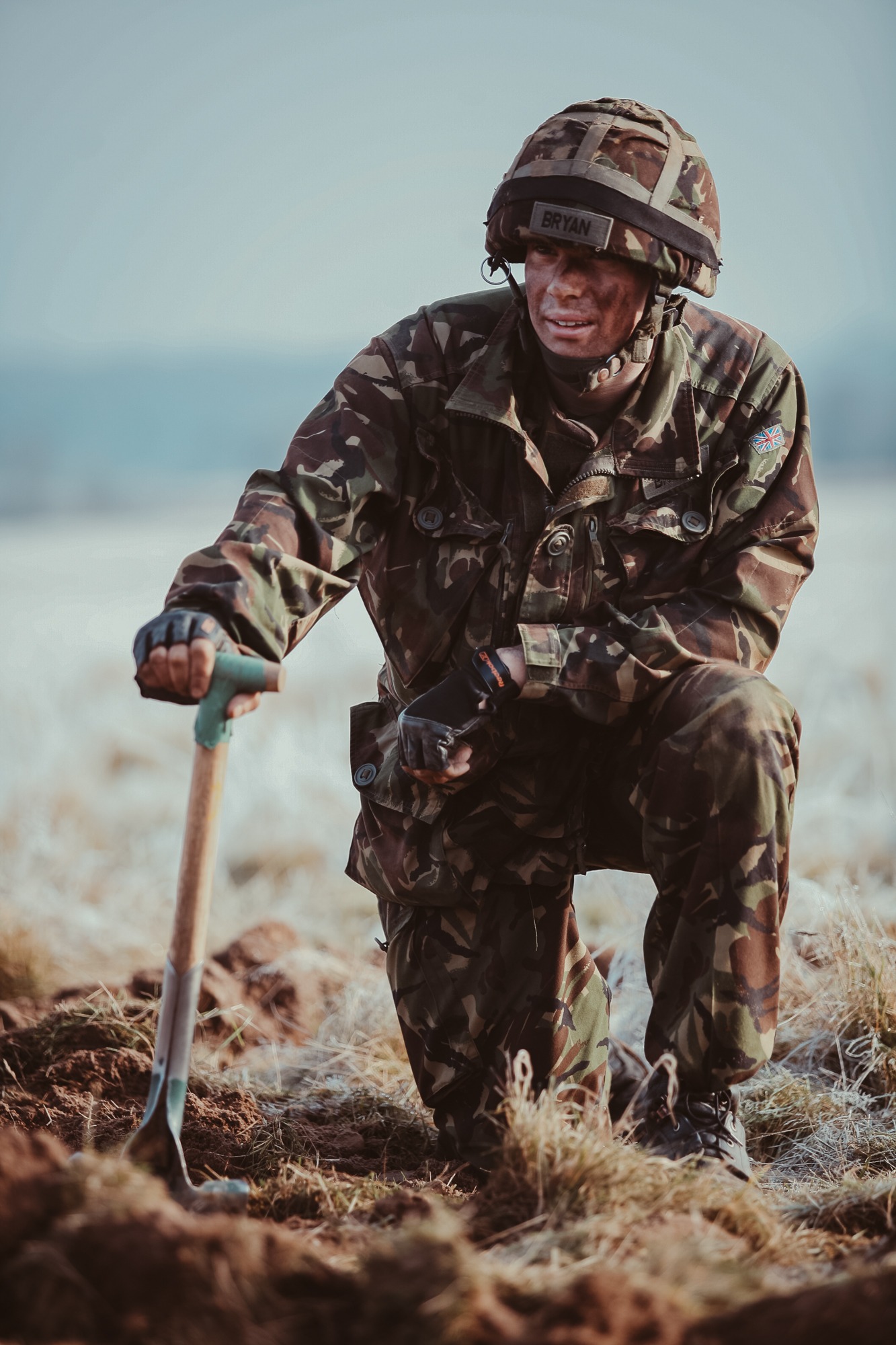
Sandhurst Army Officer Cadet Bryan during a training exercise digging trenches in Norfolk
2006. Photograph by Sophie Laslett, The Times
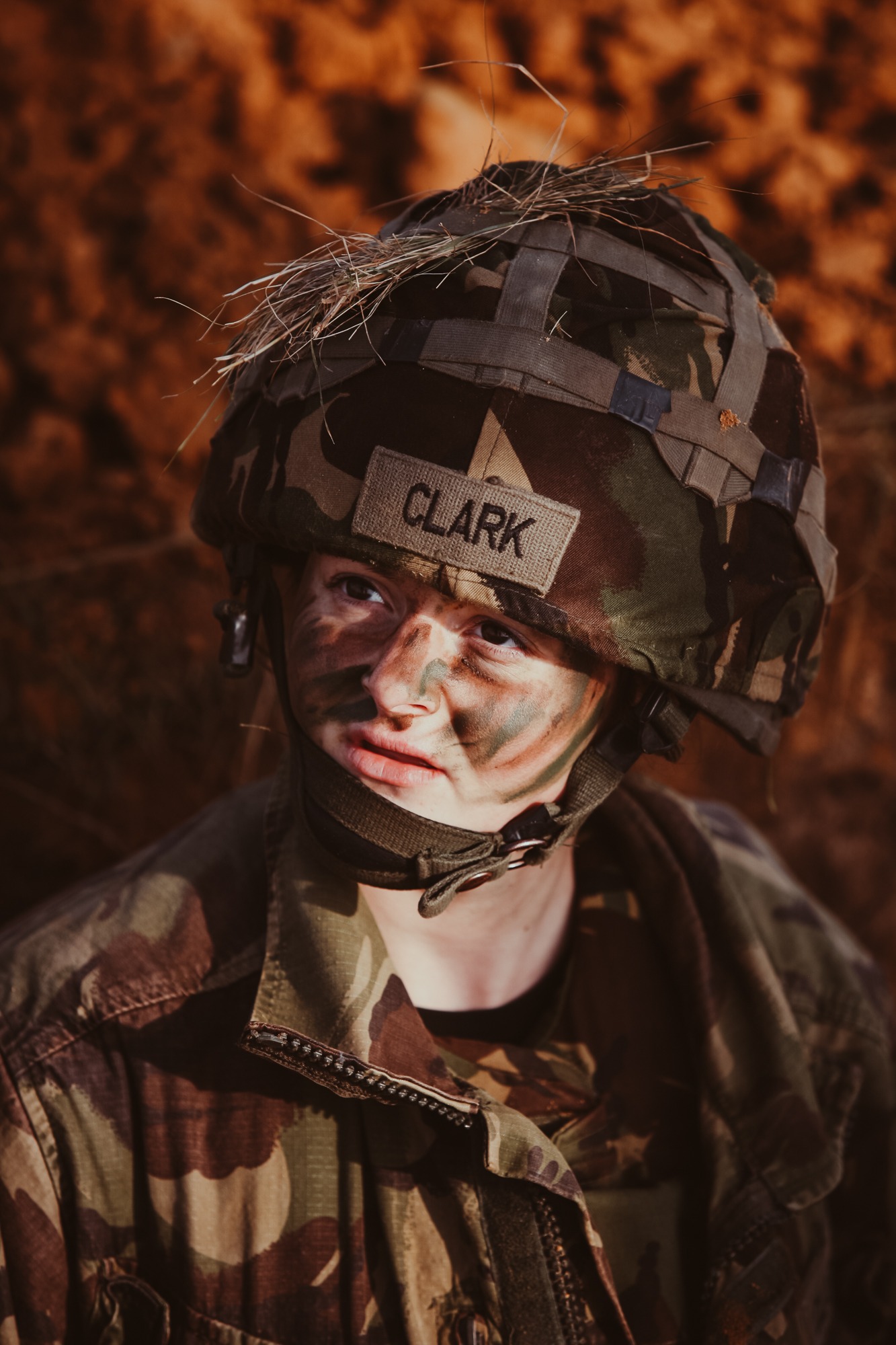
Sandhurst Army Officer during a training exercise digging trenches in Norfolk
2006. Photograph by Sophie Laslett, The Times
Sandhurst Army Officer during a training exercise digging trenches in Norfolk
2006. Photograph by Sophie Laslett, The Times
Sandhurst Army Officer during a training exercise digging trenches in Norfolk
2006. Photograph by Sophie Laslett, The Times
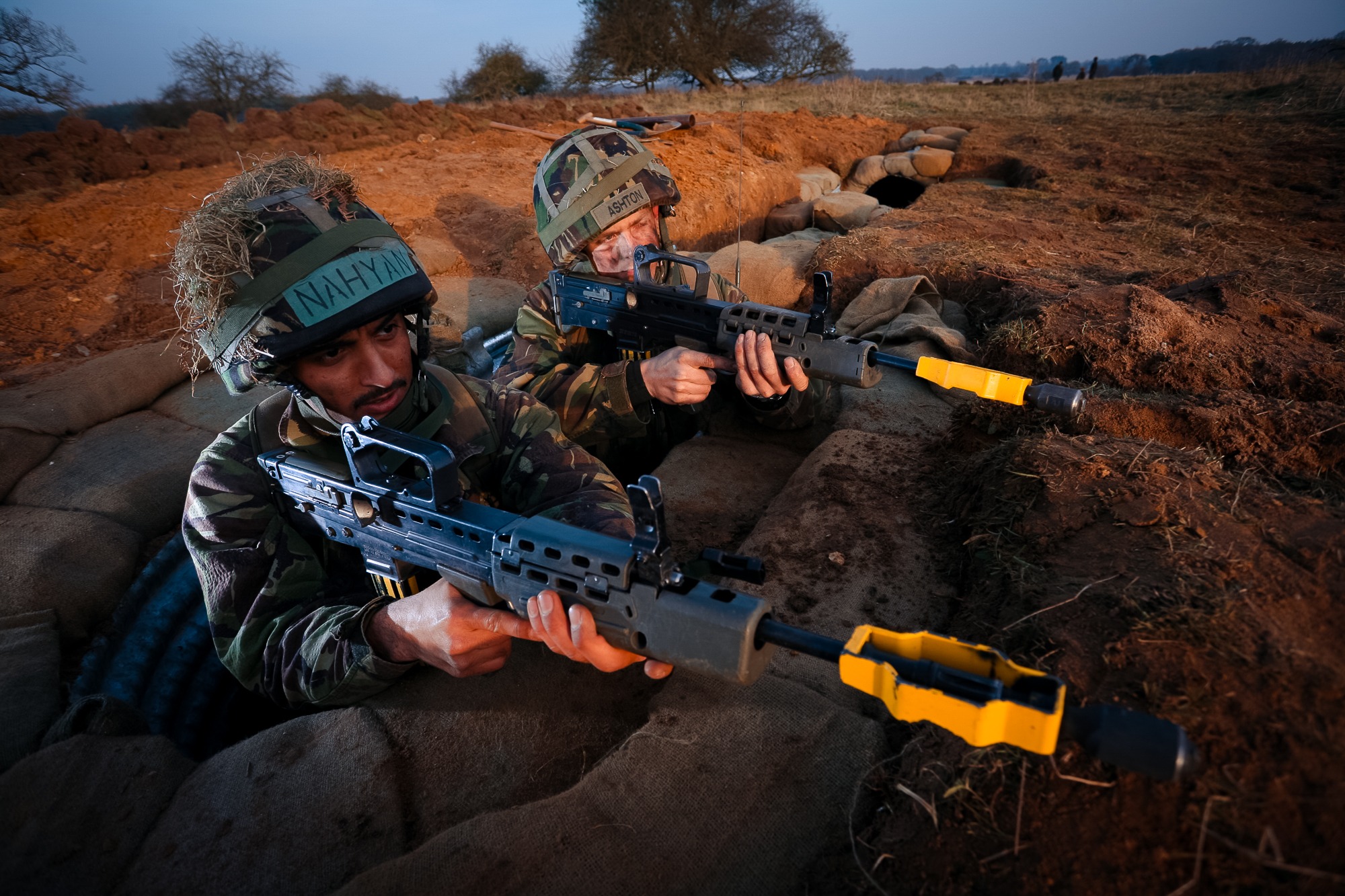
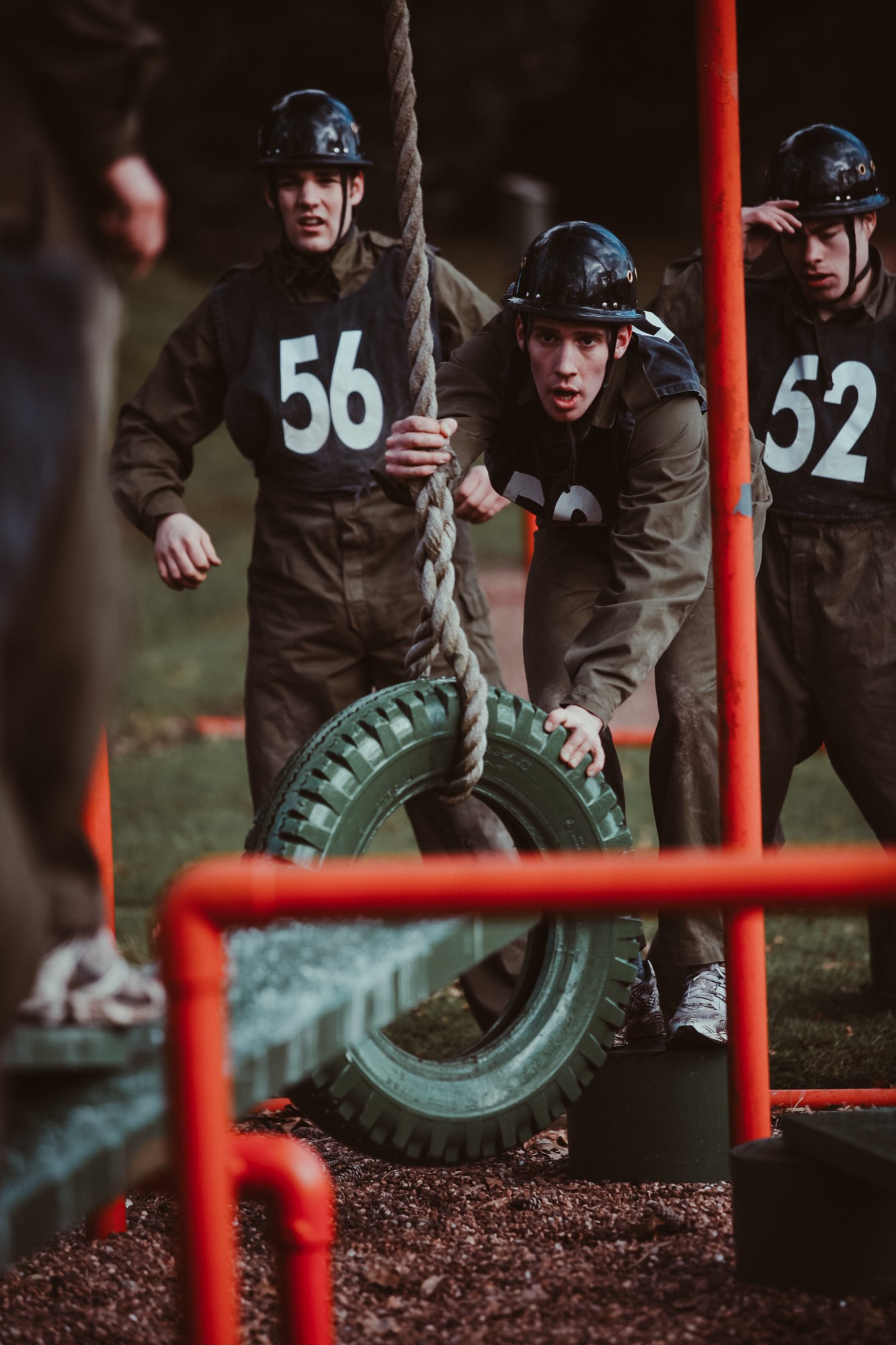
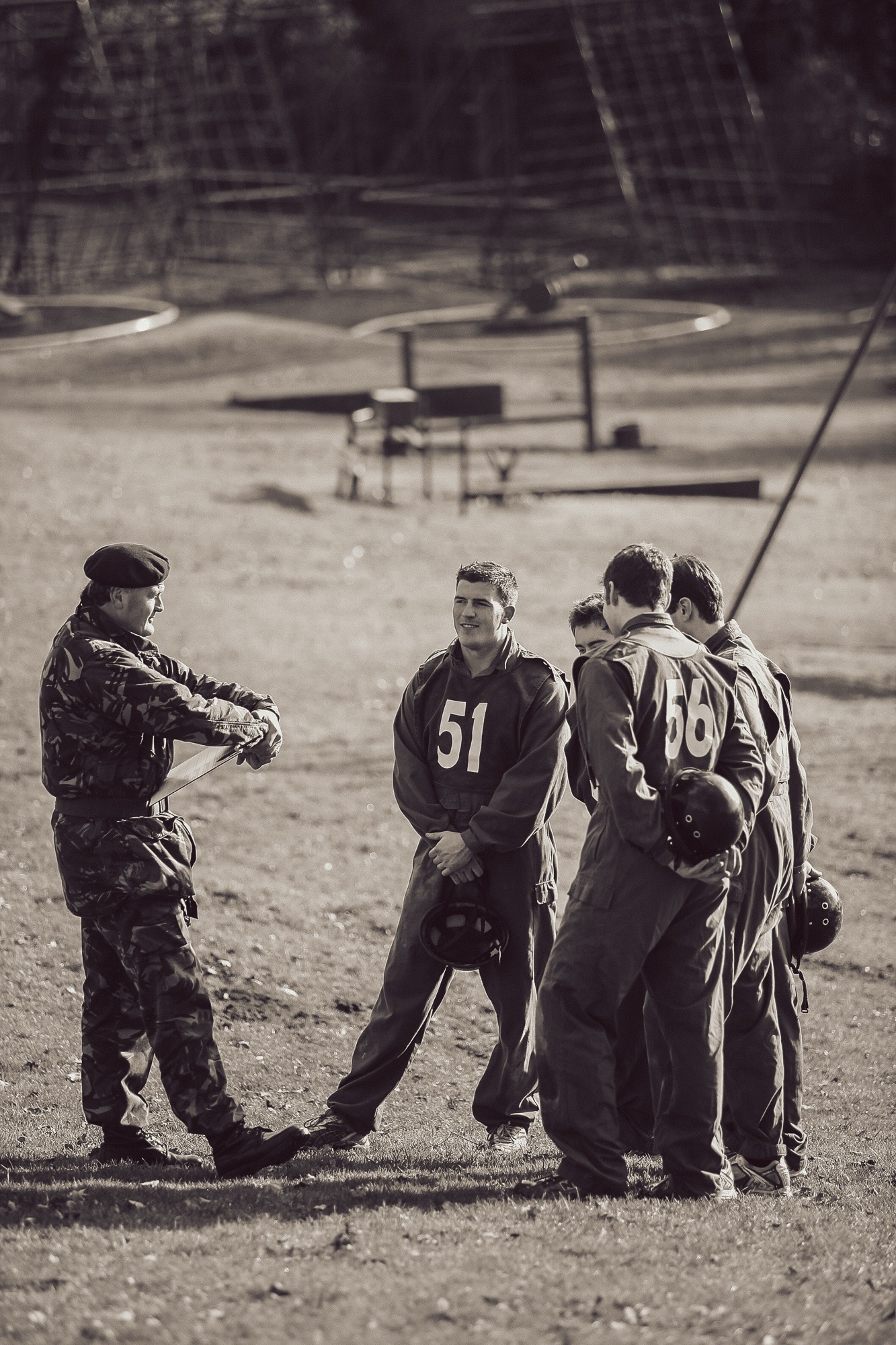
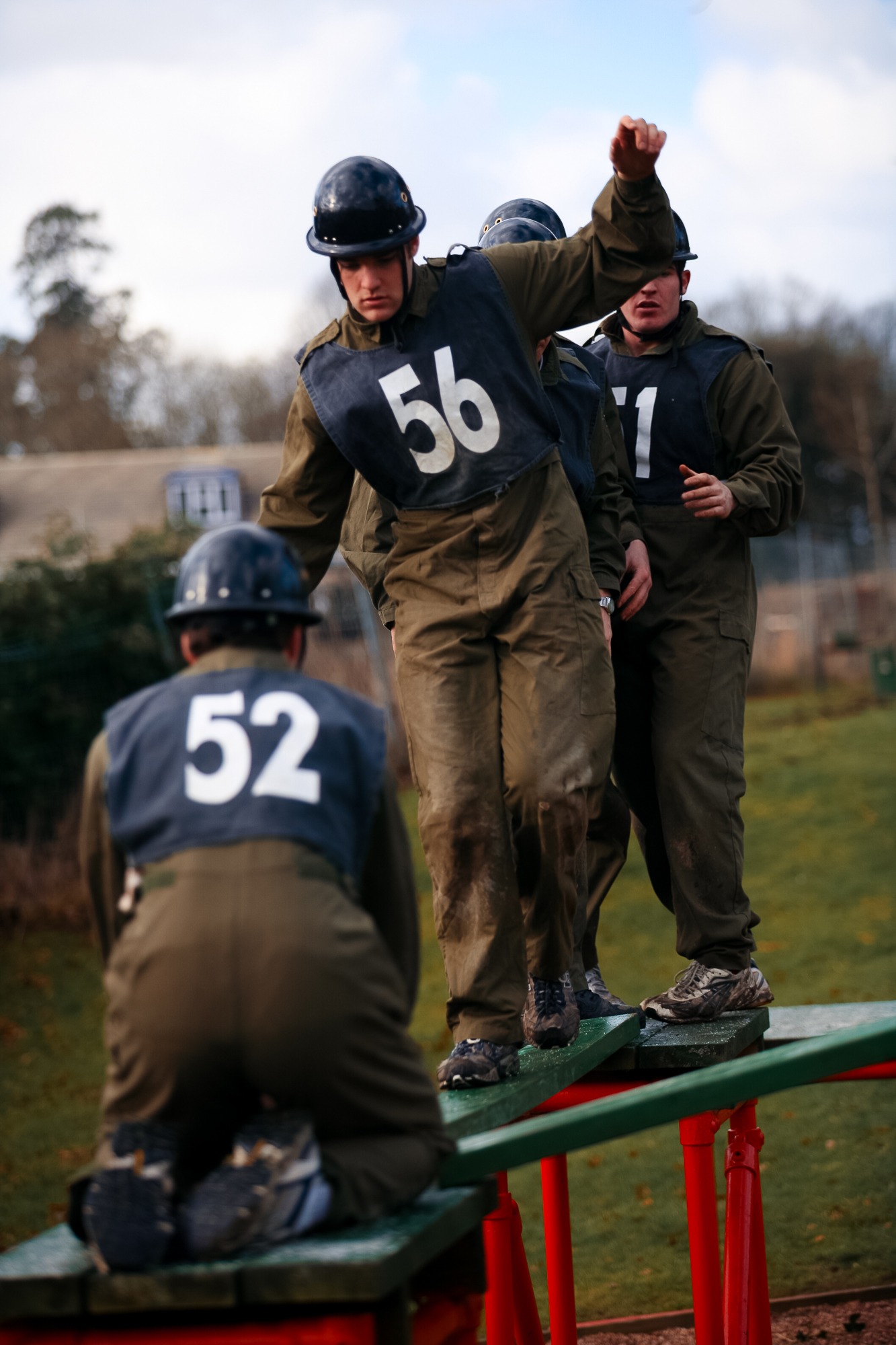
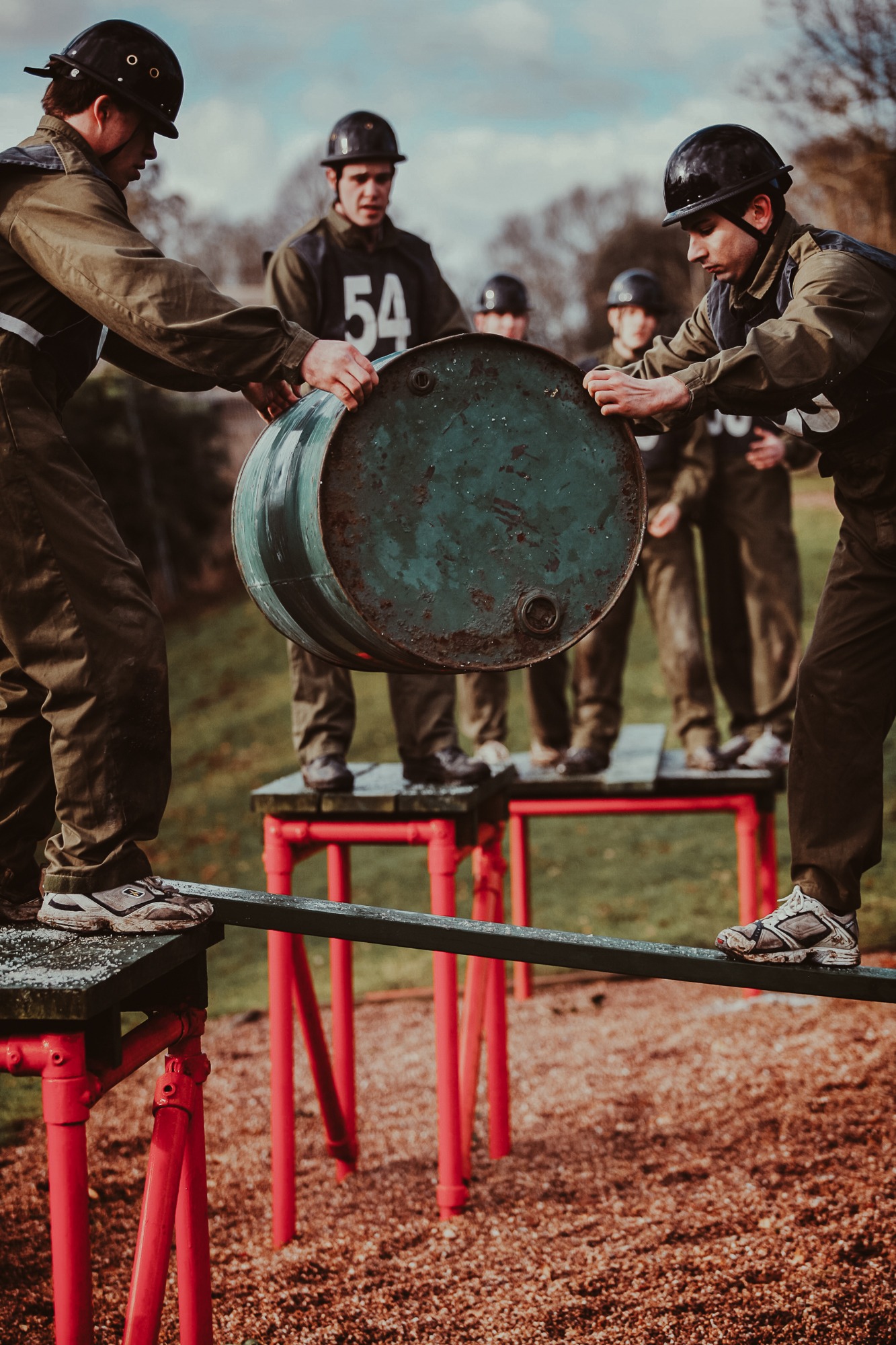
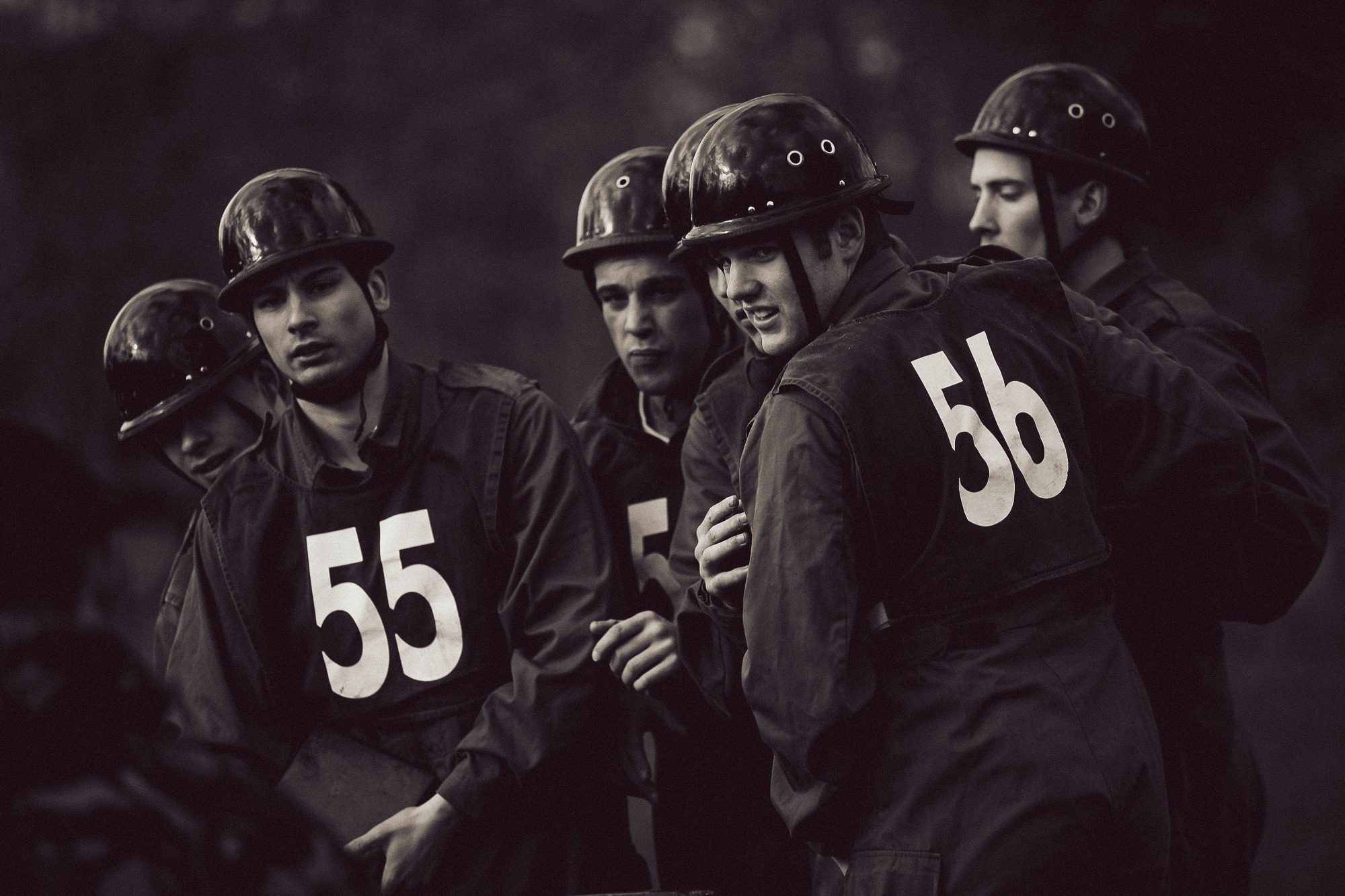
These photographs include Sandhurst Army Officer Cadet Bryan during Exercise FIRST ENCOUNTER—a famously grueling, sleep-depriving trench-digging exercise held in the Norfolk training area. These images are juxtaposed with scenes of applicants completing the challenging, multi-day Army Officer Selection Board (AOSB) Main Board, the intense physical and leadership entrance examination required to enter Sandhurst Army College.
Sandhurst Army Officers during a training exercise digging trenches in Norfolk
2006. Photograph by Sophie Laslett, The Times
Sandhurst Army Officers during a training exercise digging trenches in Norfolk
2006. Photograph by Sophie Laslett, The Times
Applicants completing part of the physical entrance examination to enter Sandhurst Army College. The four-day exam includes obstacle courses, fitness tests and planning exercise
2006. Photograph by Sophie Laslett, The Times
applicants completing part of the physical entrance examination to enter Sandhurst Army College. The four-day exam includes obstacle courses, fitness tests and planning exercise
2006. Photograph by Sophie Laslett, The Times
Applicants completing part of the physical entrance examination to enter Sandhurst Army College. The four-day exam includes obstacle courses, fitness tests and planning exercise
2006. Photograph by Sophie Laslett, The Times
Applicants completing part of the physical entrance examination to enter Sandhurst Army College. The four-day exam includes obstacle courses, fitness tests and planning exercise
2006. Photograph by Sophie Laslett, The Times
Applicants completing part of the physical entrance examination to enter Sandhurst Army College. The four-day exam includes obstacle courses, fitness tests and planning exercise
2006. Photograph by Sophie Laslett, The Times
Sandhurst Army Officers during a training exercise digging trenches in Norfolk
2006. Photograph by Sophie Laslett, The Times
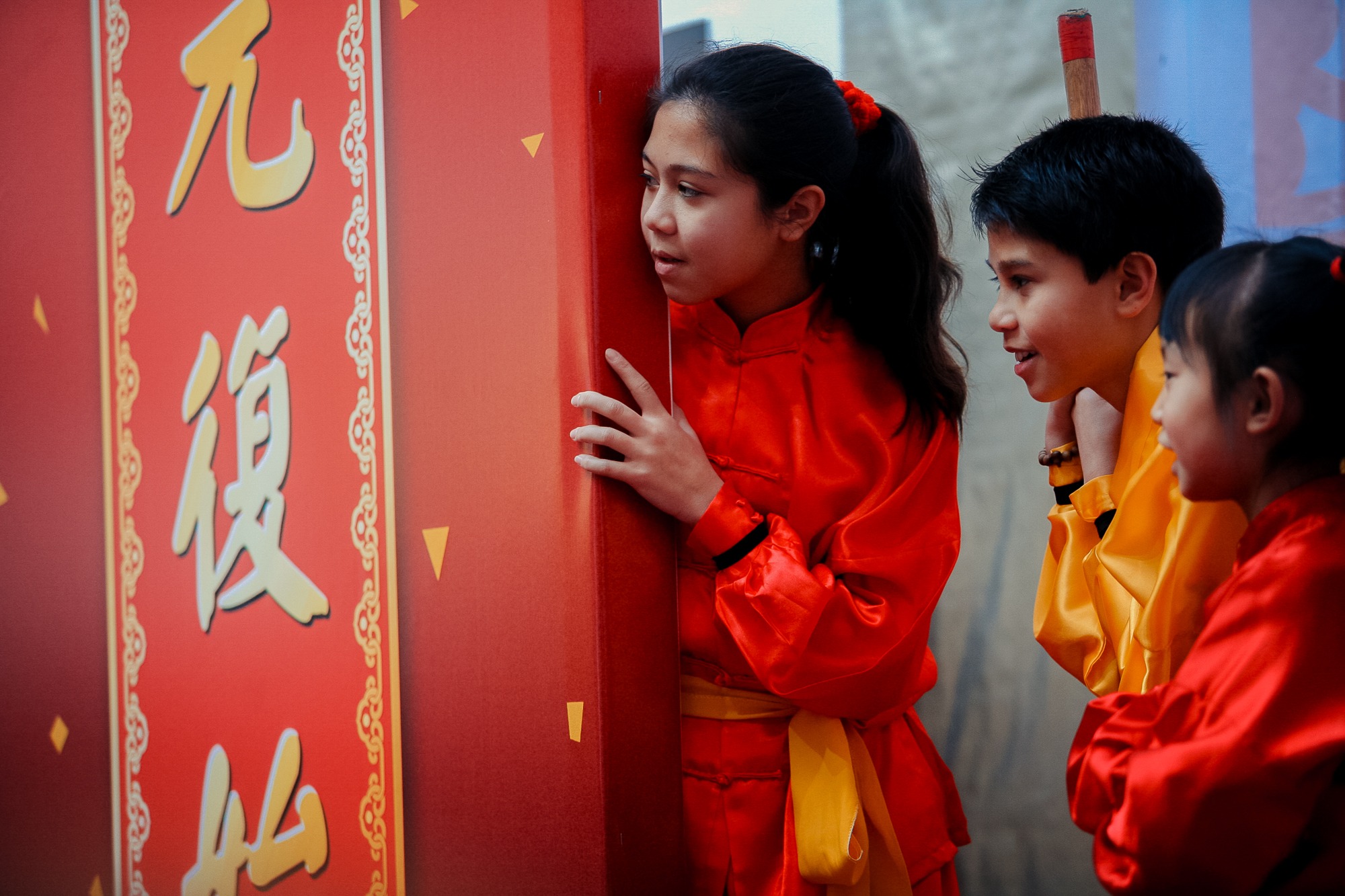
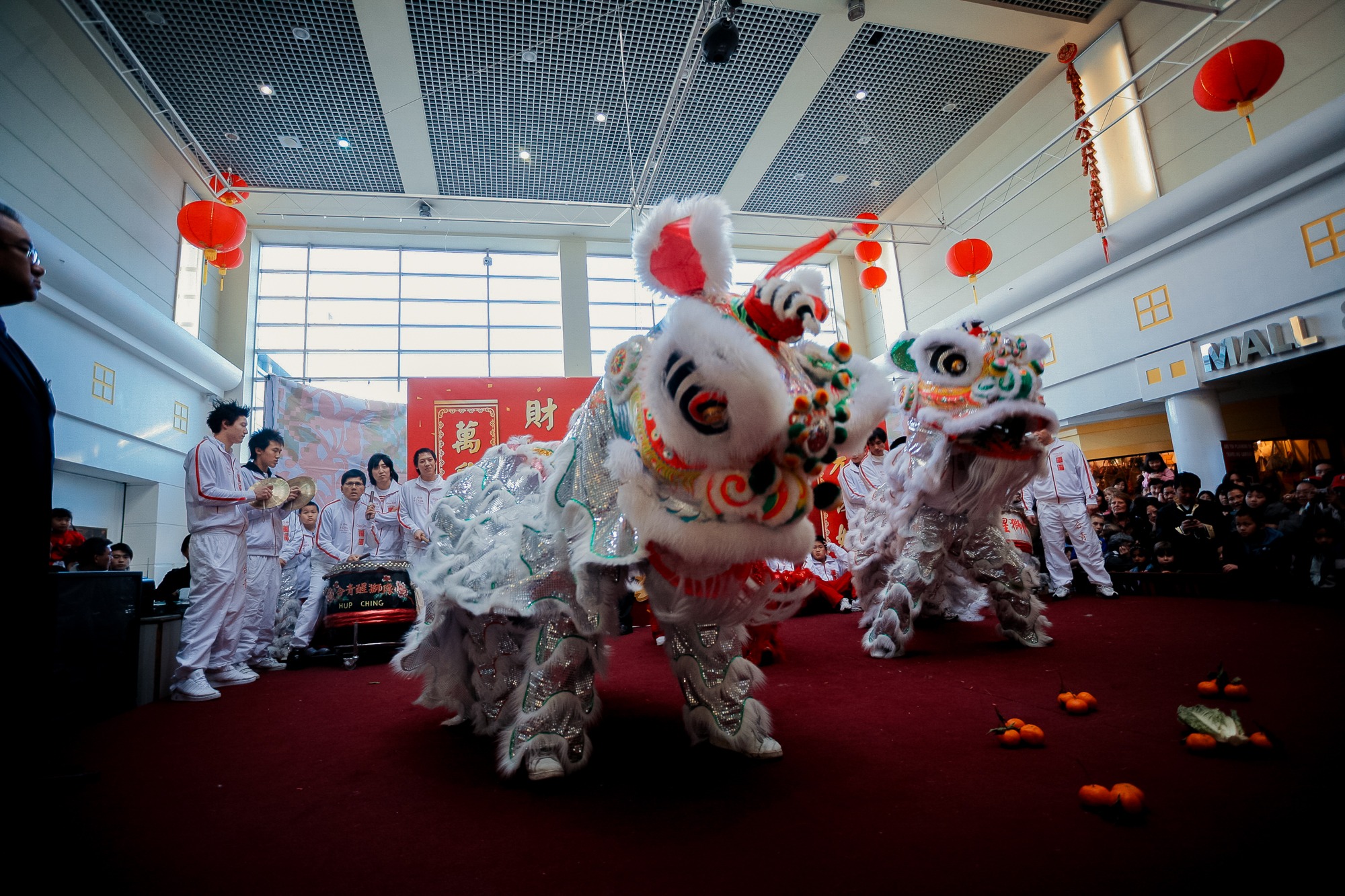
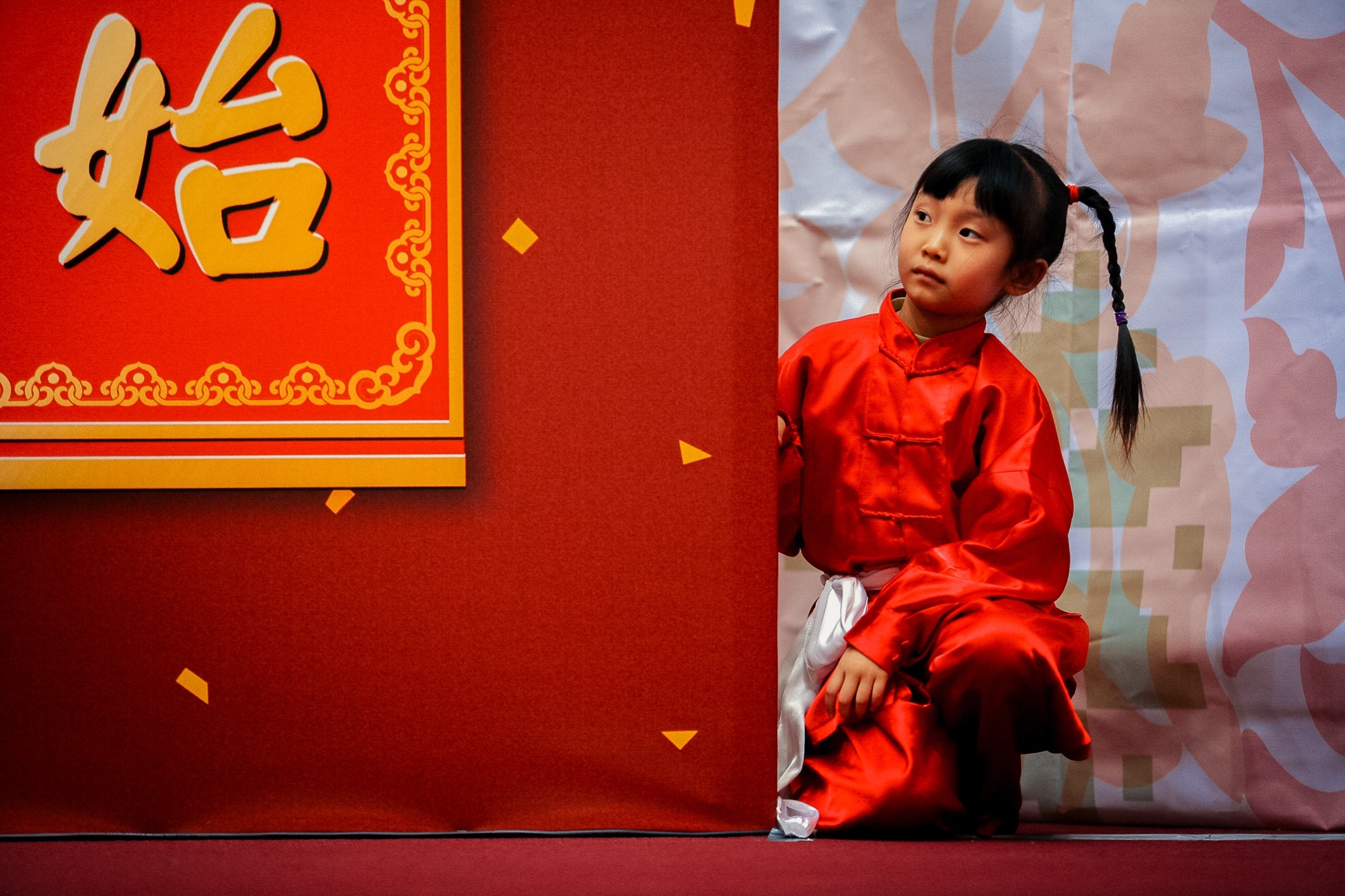
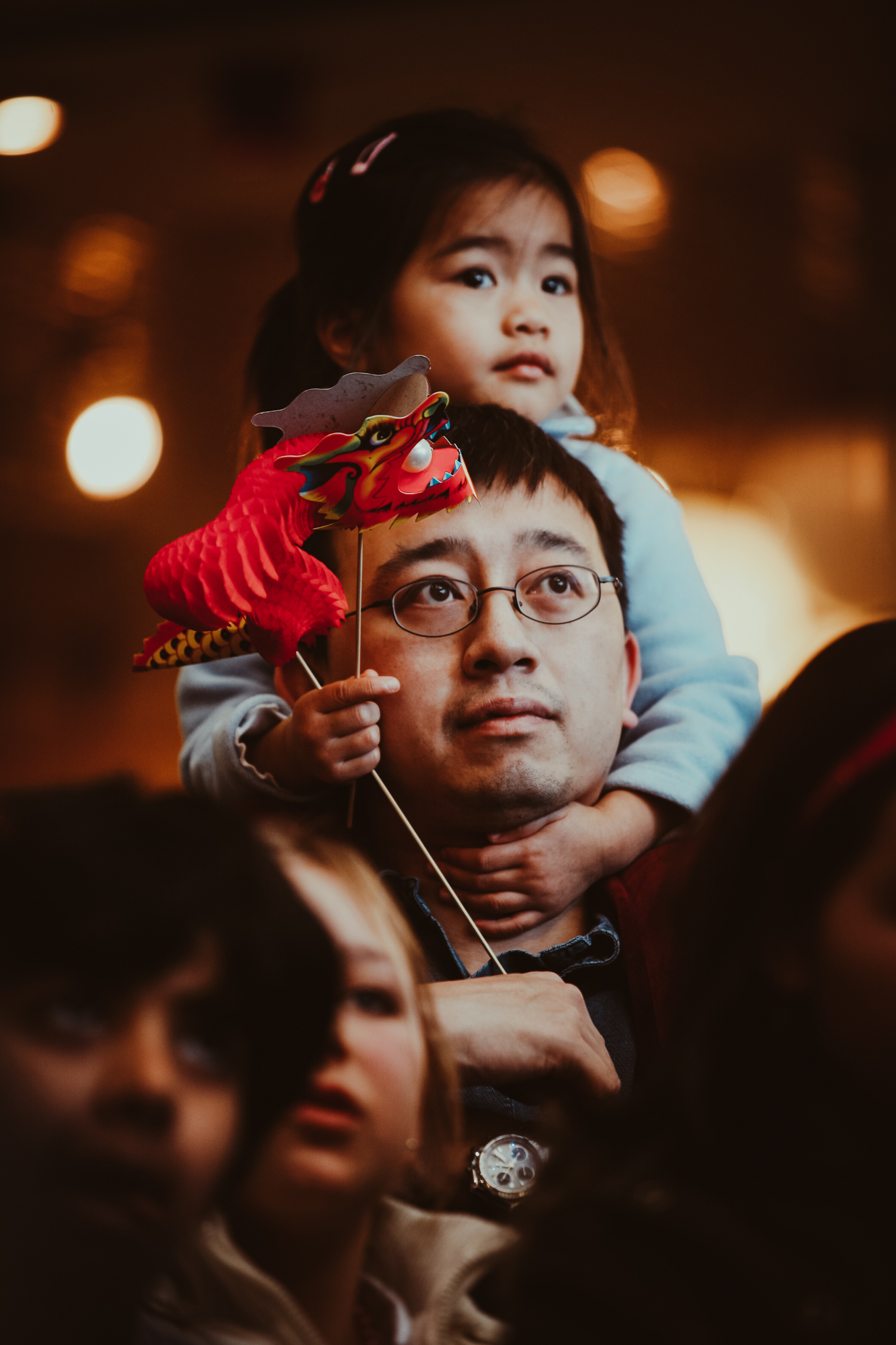
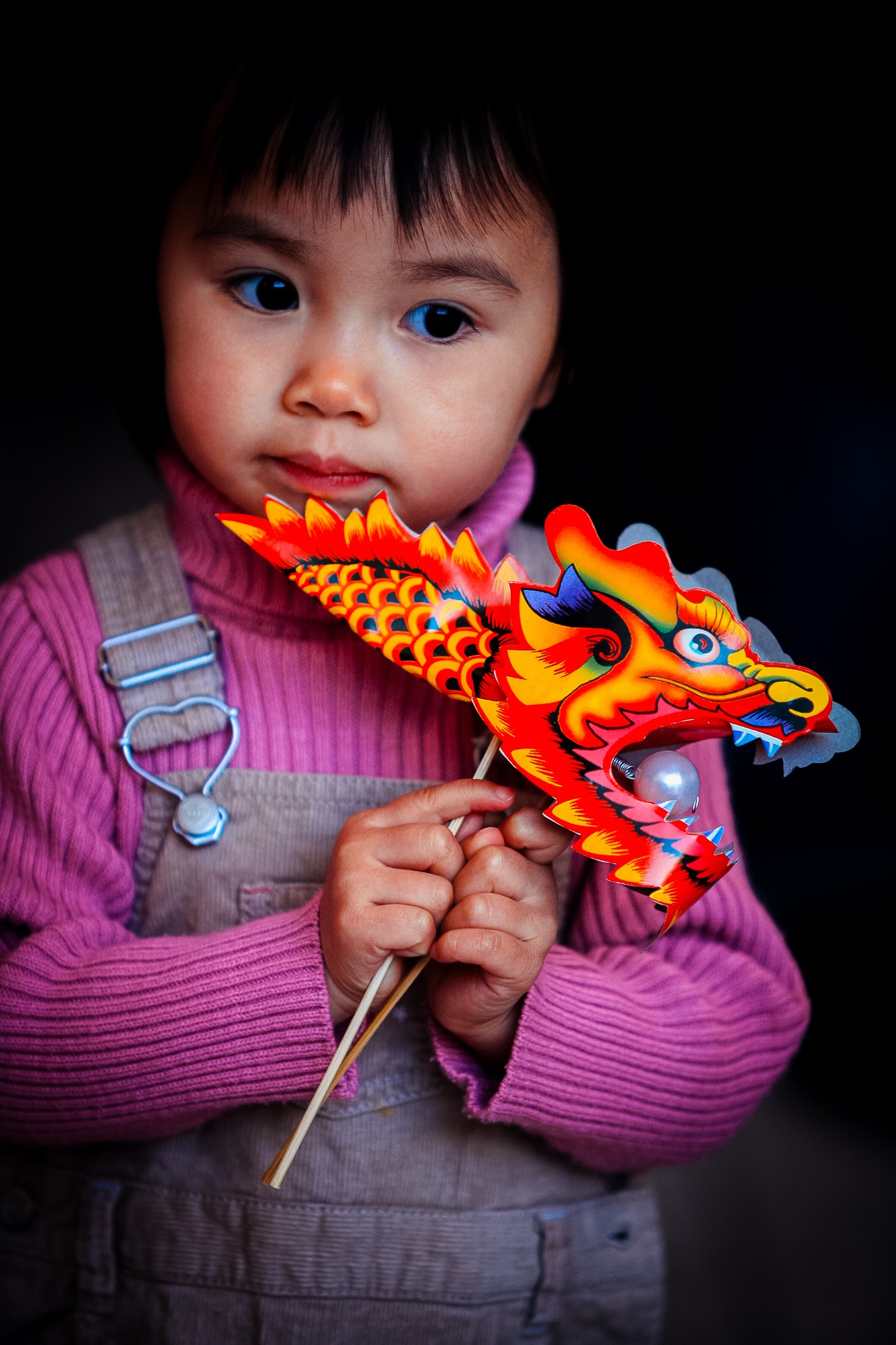
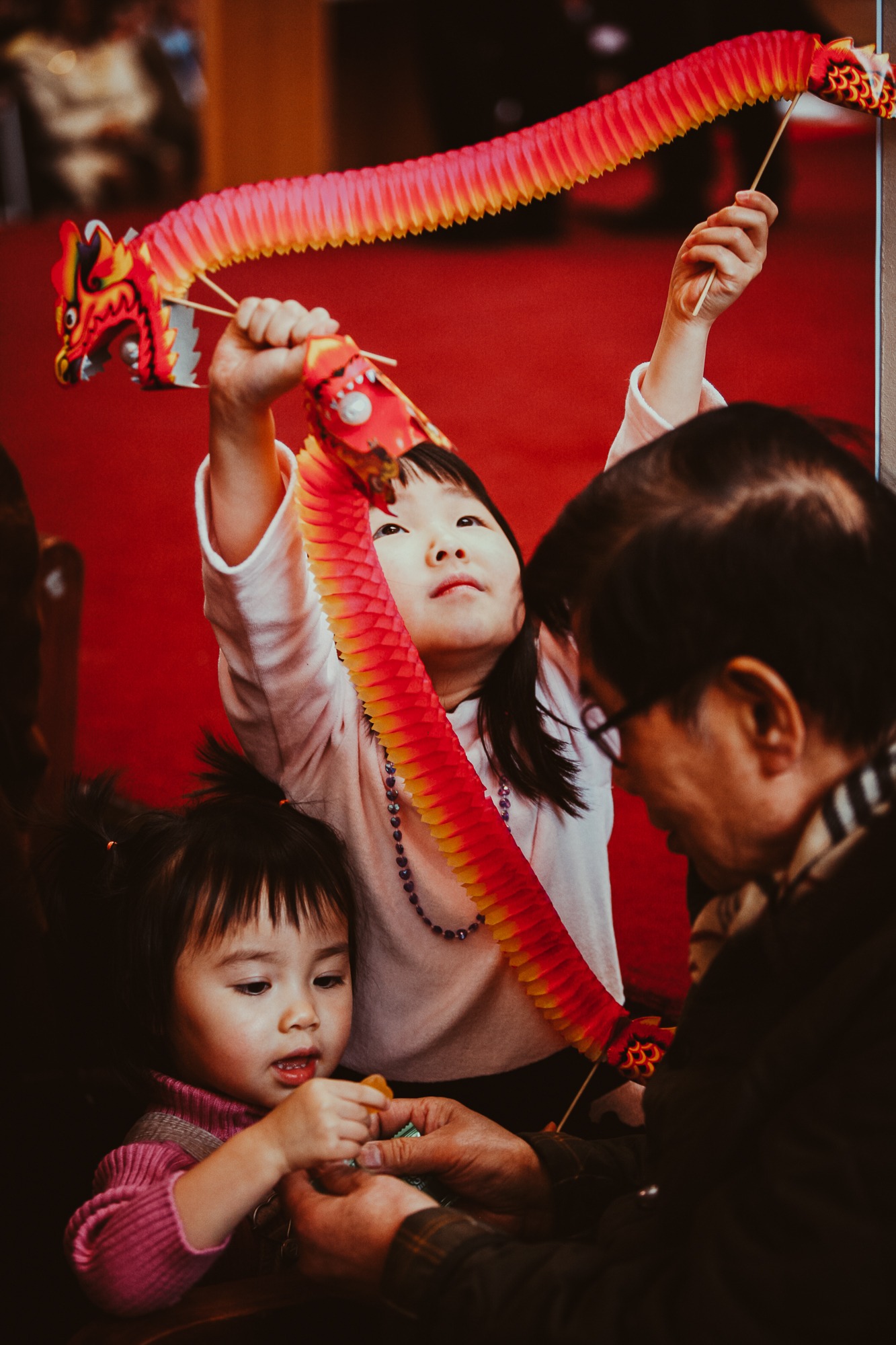
The below photographs document the Chinese New Year celebrations at Oriental City during a period of significant local dispute. At the time of the assignment, the center's traders were facing the closure of the complex following redevelopment plans proposed by Development Securities.
Oriental City served as a primary cultural and commercial hub for the East Asian community in London. The images record the traditional New Year festivities held against the backdrop of the "Save Oriental City" campaign, which sought to protect the site from being replaced by a large-scale retail and residential development. The center eventually closed in 2008 and was subsequently demolished.
Chinese New Year celebrations at North London's Oriental City. Traders at Oriental City are being threatened with the centres closure due to redevelopment plans by Development Securities
2007. Photograph by Sophie Laslett, The Times
Chinese New Year celebrations at North London's Oriental City. Traders at Oriental City are being threatened with the centres closure due to redevelopment plans by Development Securities
2007. Photograph by Sophie Laslett, The Times
Chinese New Year celebrations at North London's Oriental City. Traders at Oriental City are being threatened with the centres closure due to redevelopment plans by Development Securities
2007. Photograph by Sophie Laslett, The Times
Chinese New Year celebrations at North London's Oriental City. Traders at Oriental City are being threatened with the centres closure due to redevelopment plans by Development Securities
2007. Photograph by Sophie Laslett, The Times
Chinese New Year celebrations at North London's Oriental City. Traders at Oriental City are being threatened with the centres closure due to redevelopment plans by Development Securities
2007. Photograph by Sophie Laslett, The Times
Chinese New Year celebrations at North London's Oriental City. Traders at Oriental City are being threatened with the centres closure due to redevelopment plans by Development Securities Army Officer during a training exercise digging trenches in Norfolk
2007. Photograph by Sophie Laslett, The Times
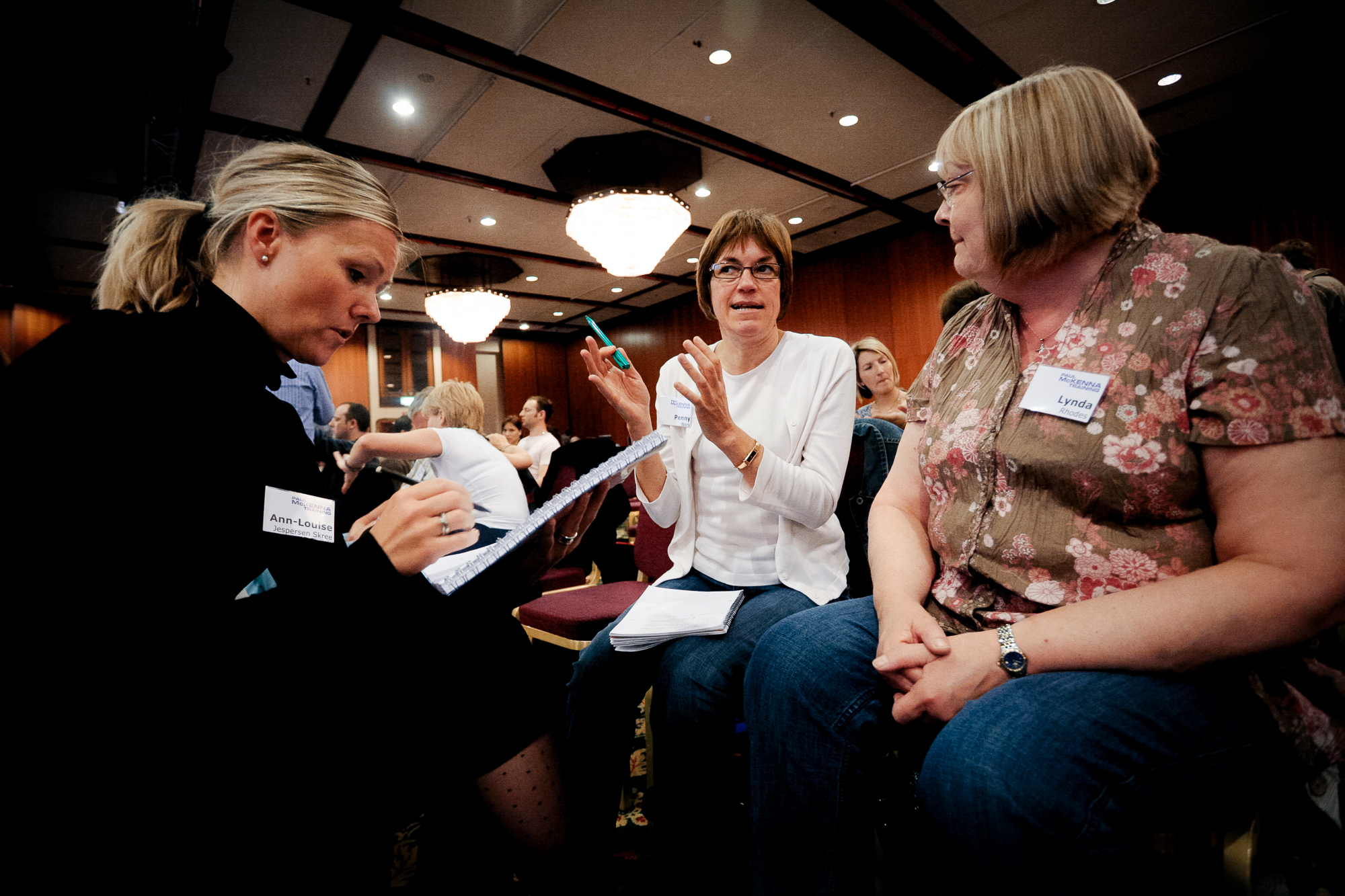
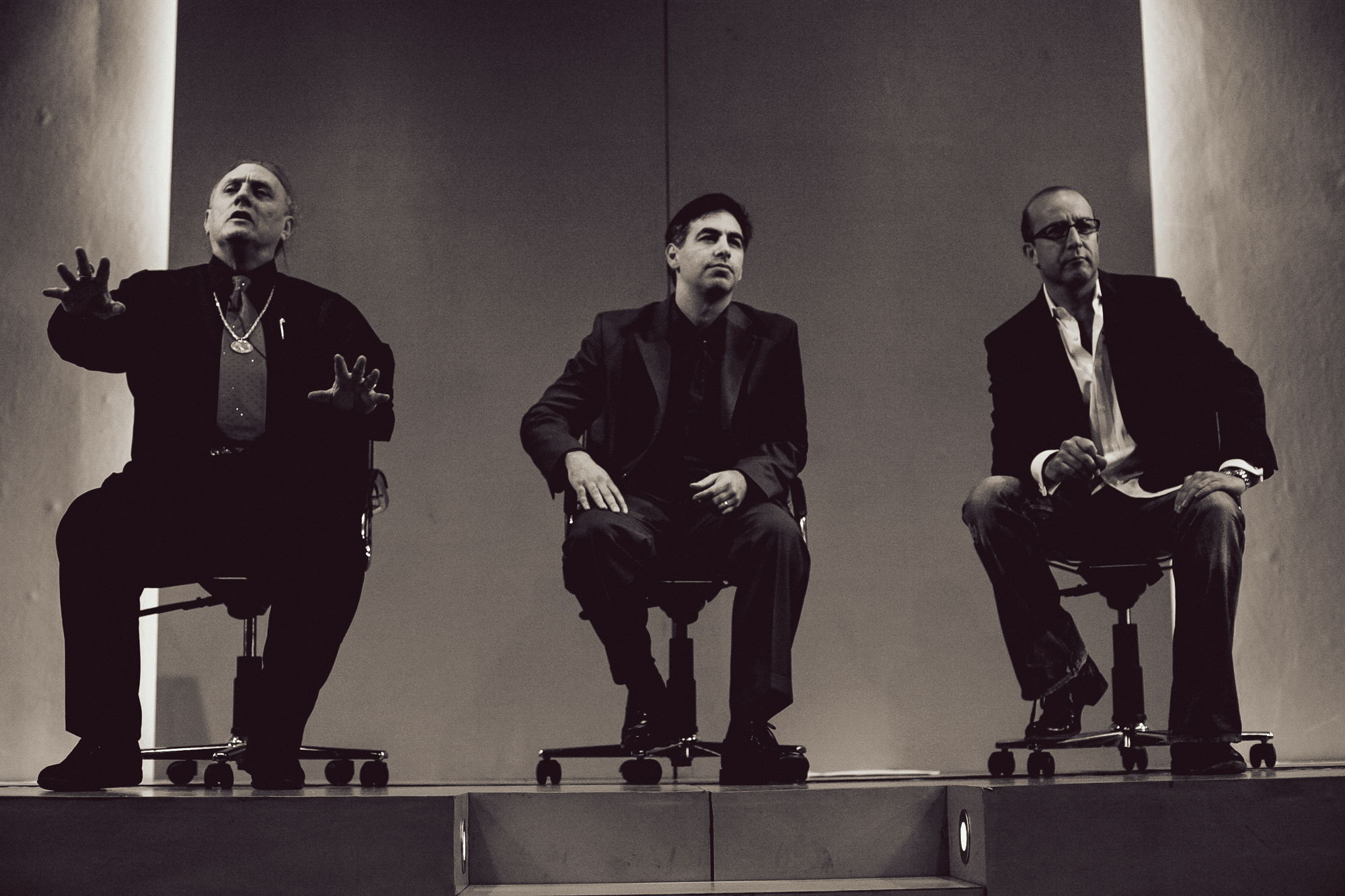
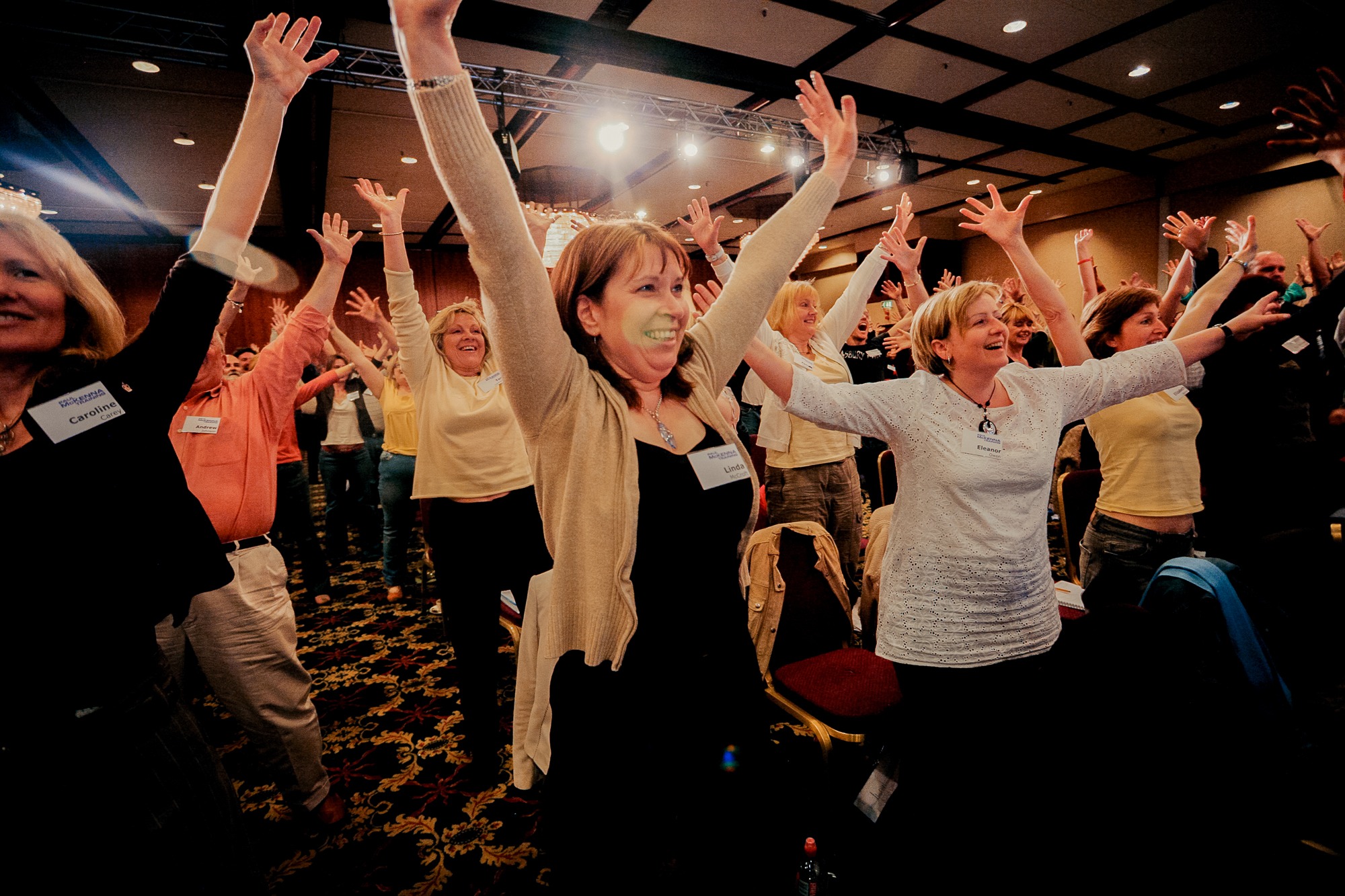
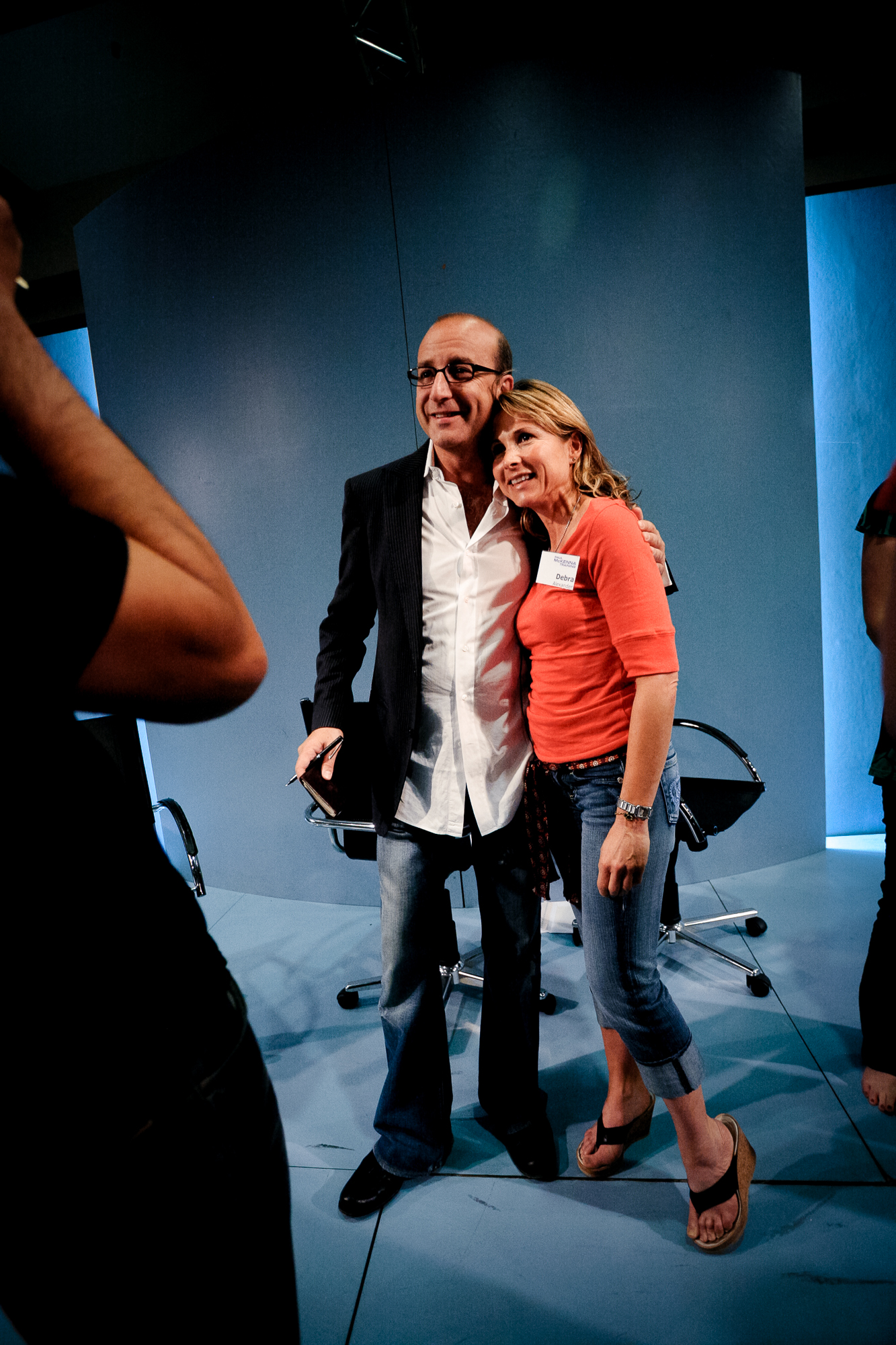
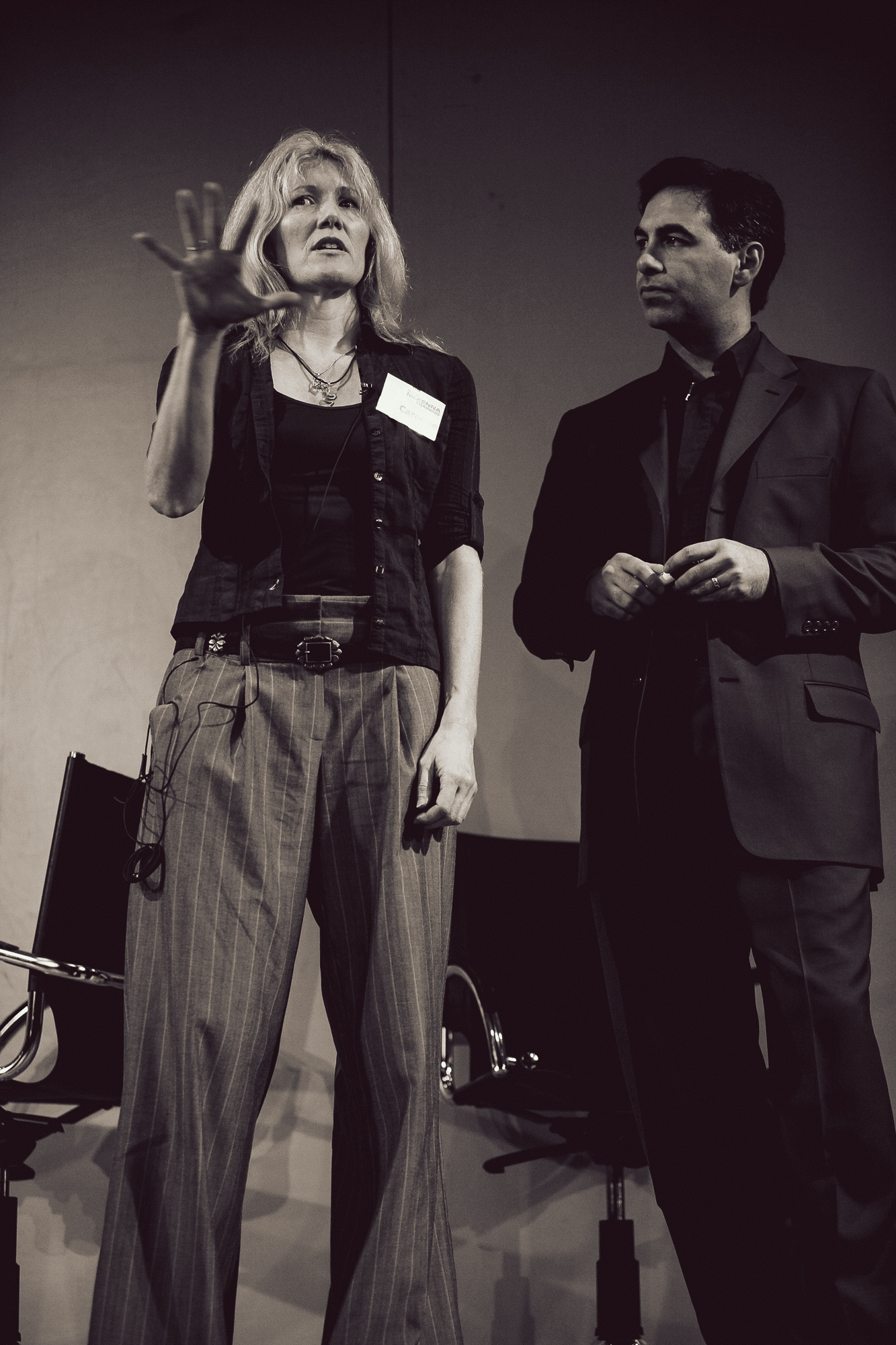
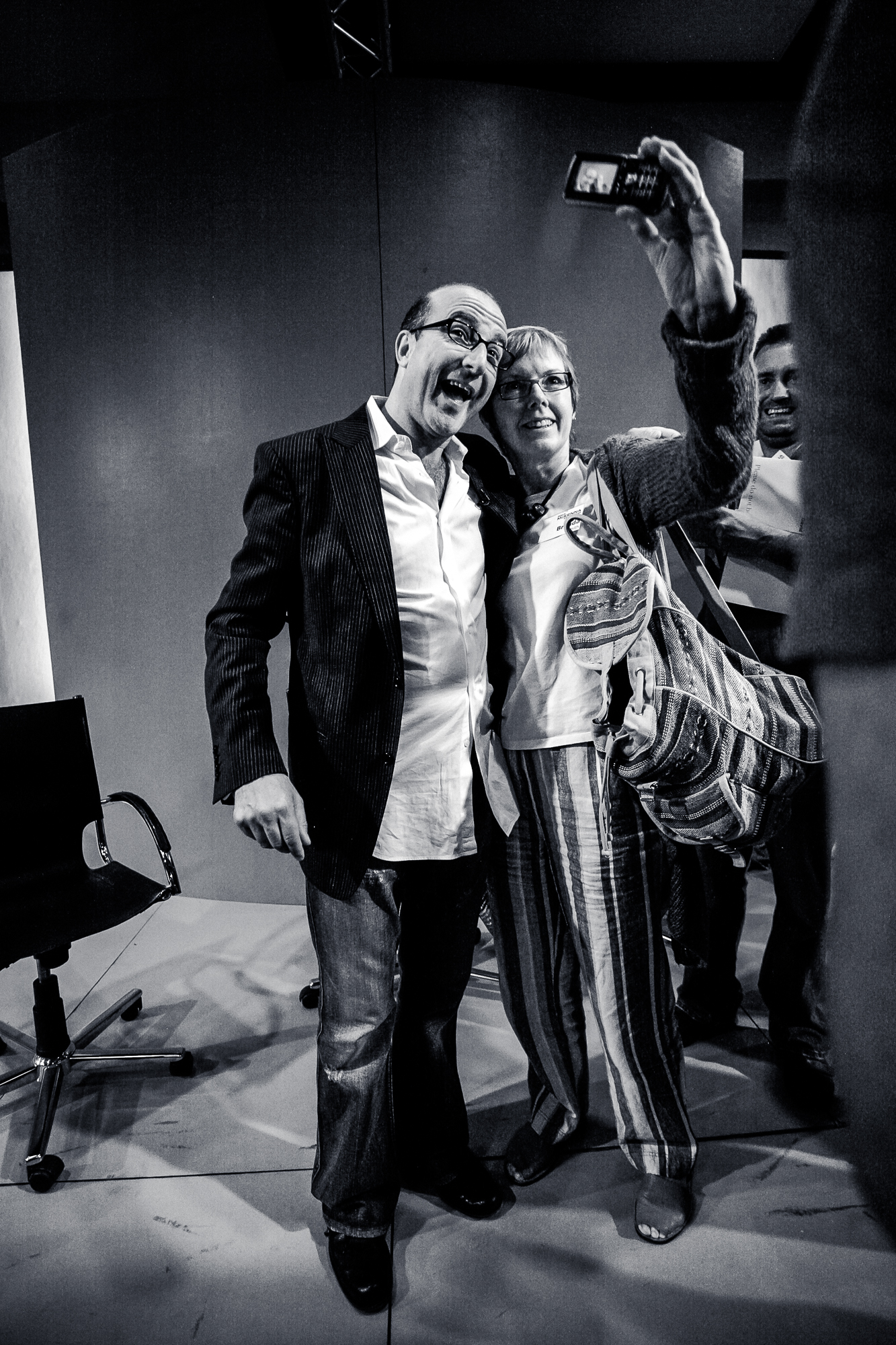
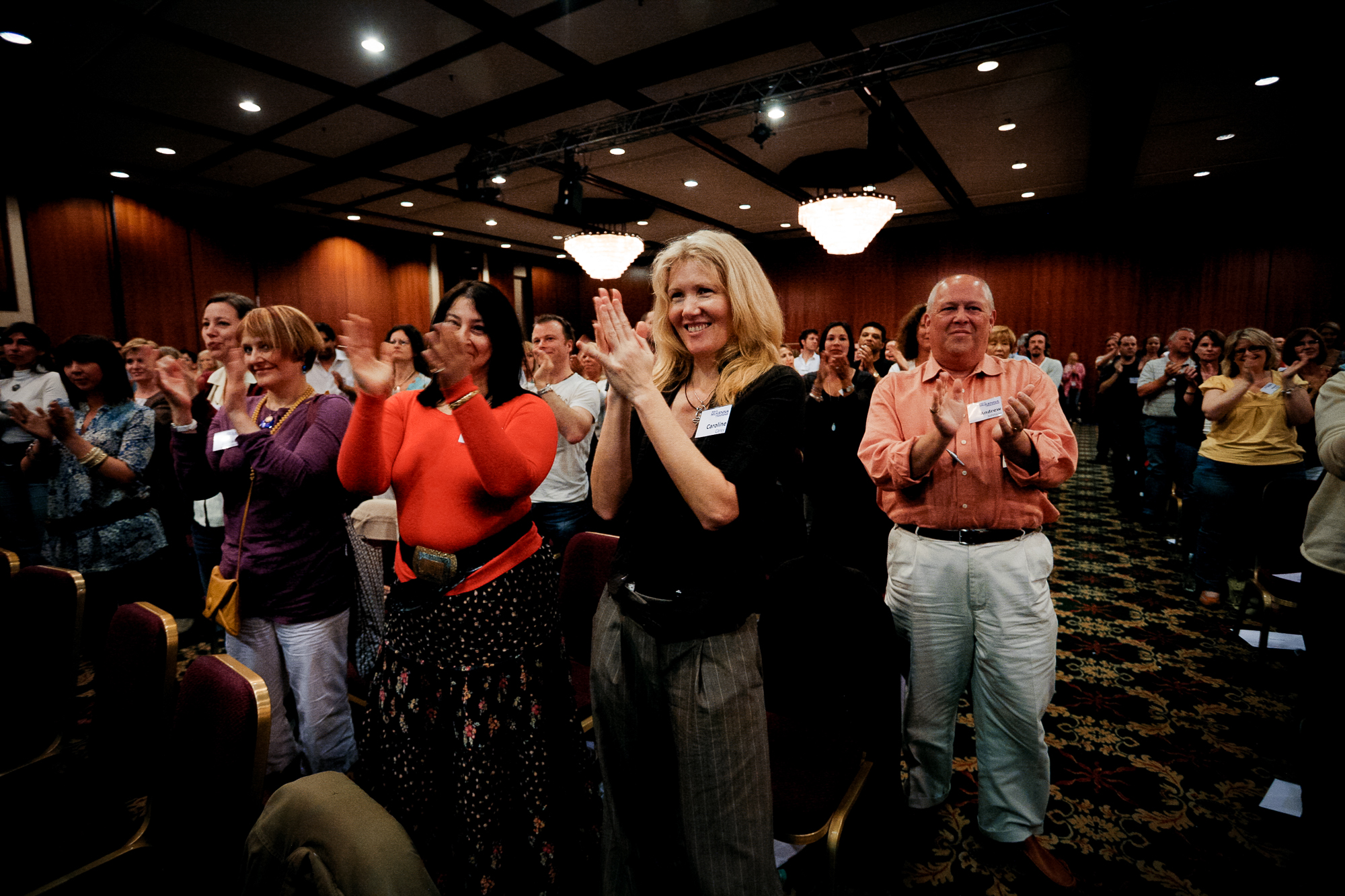
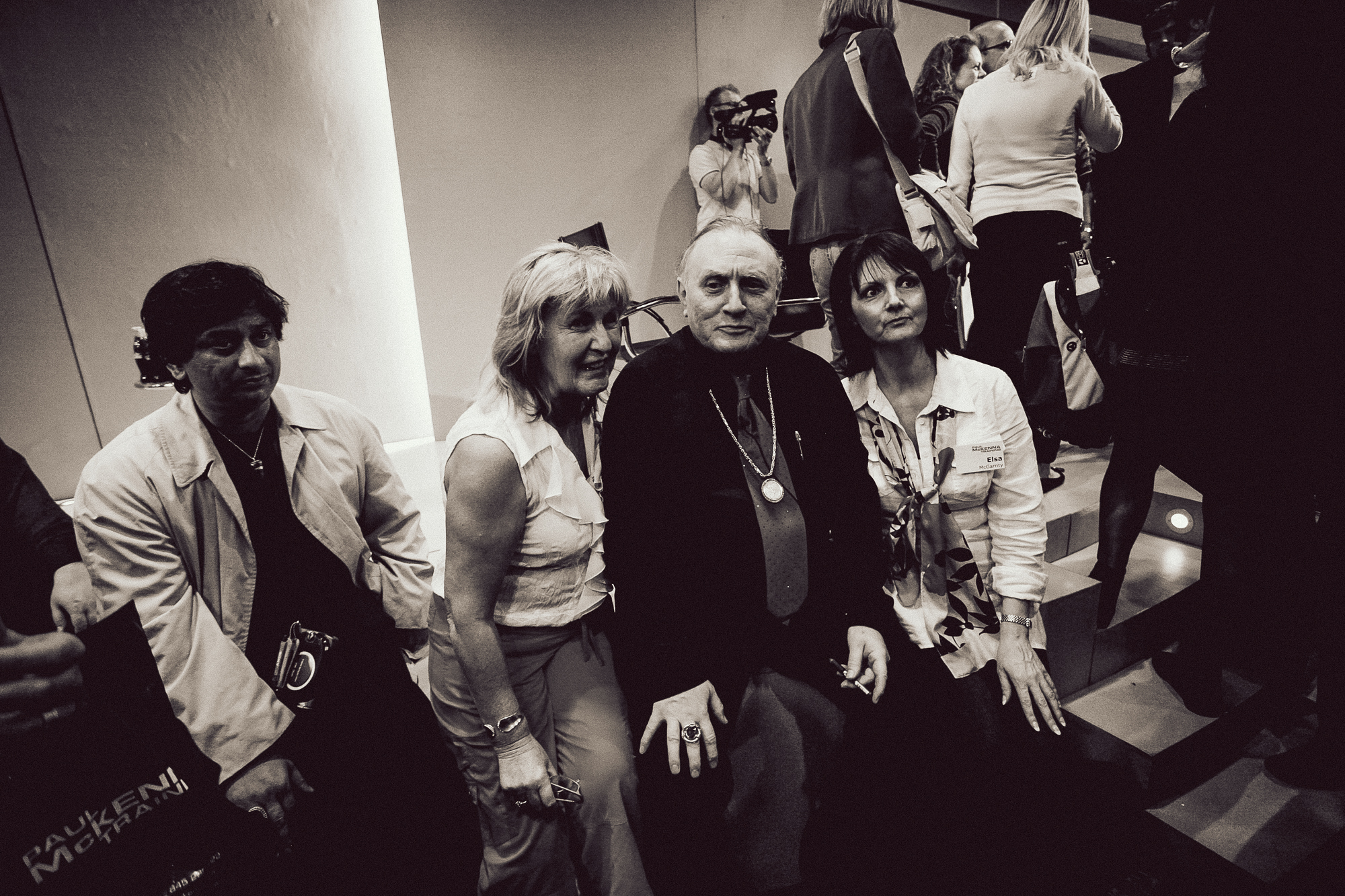
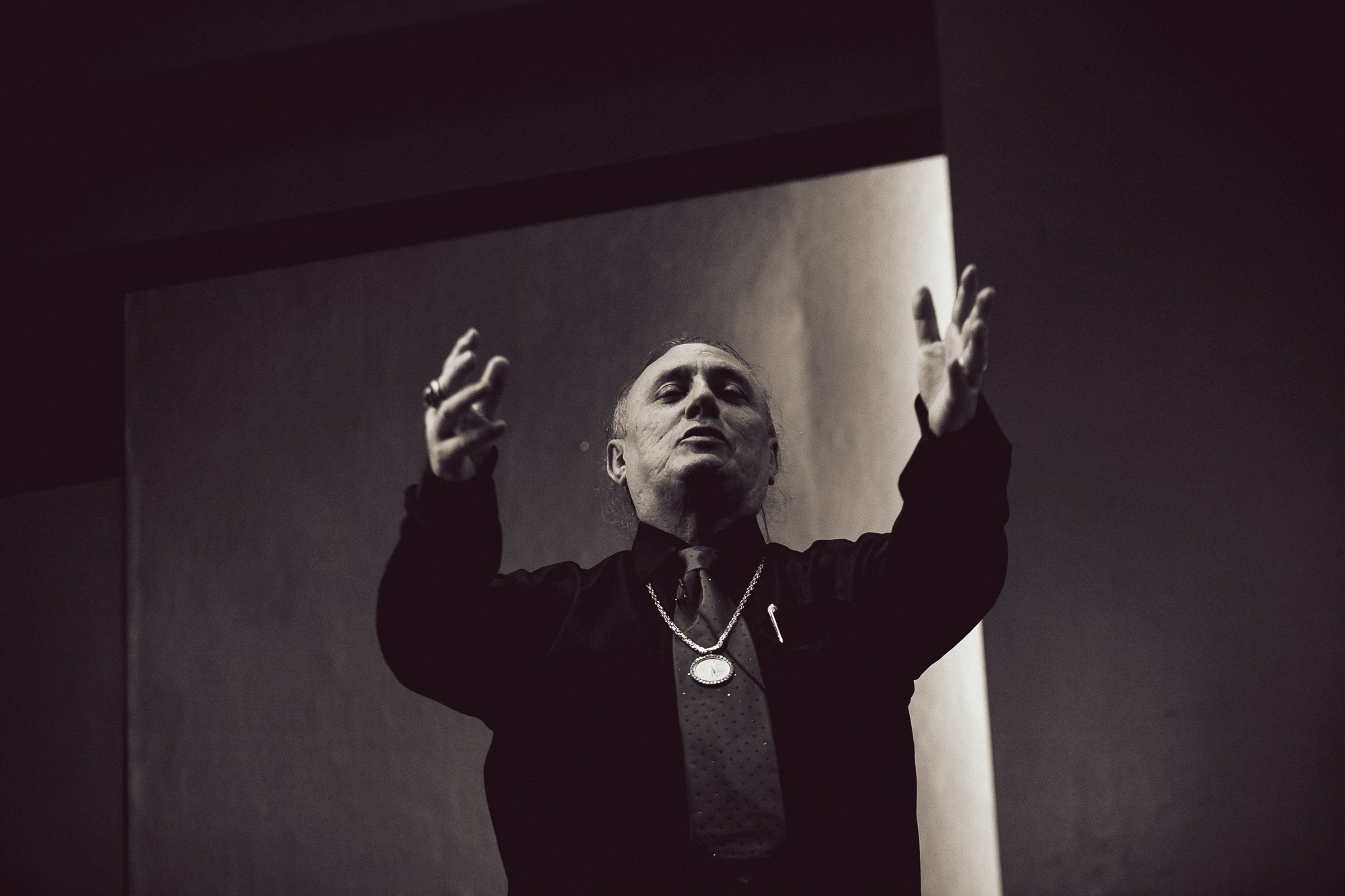
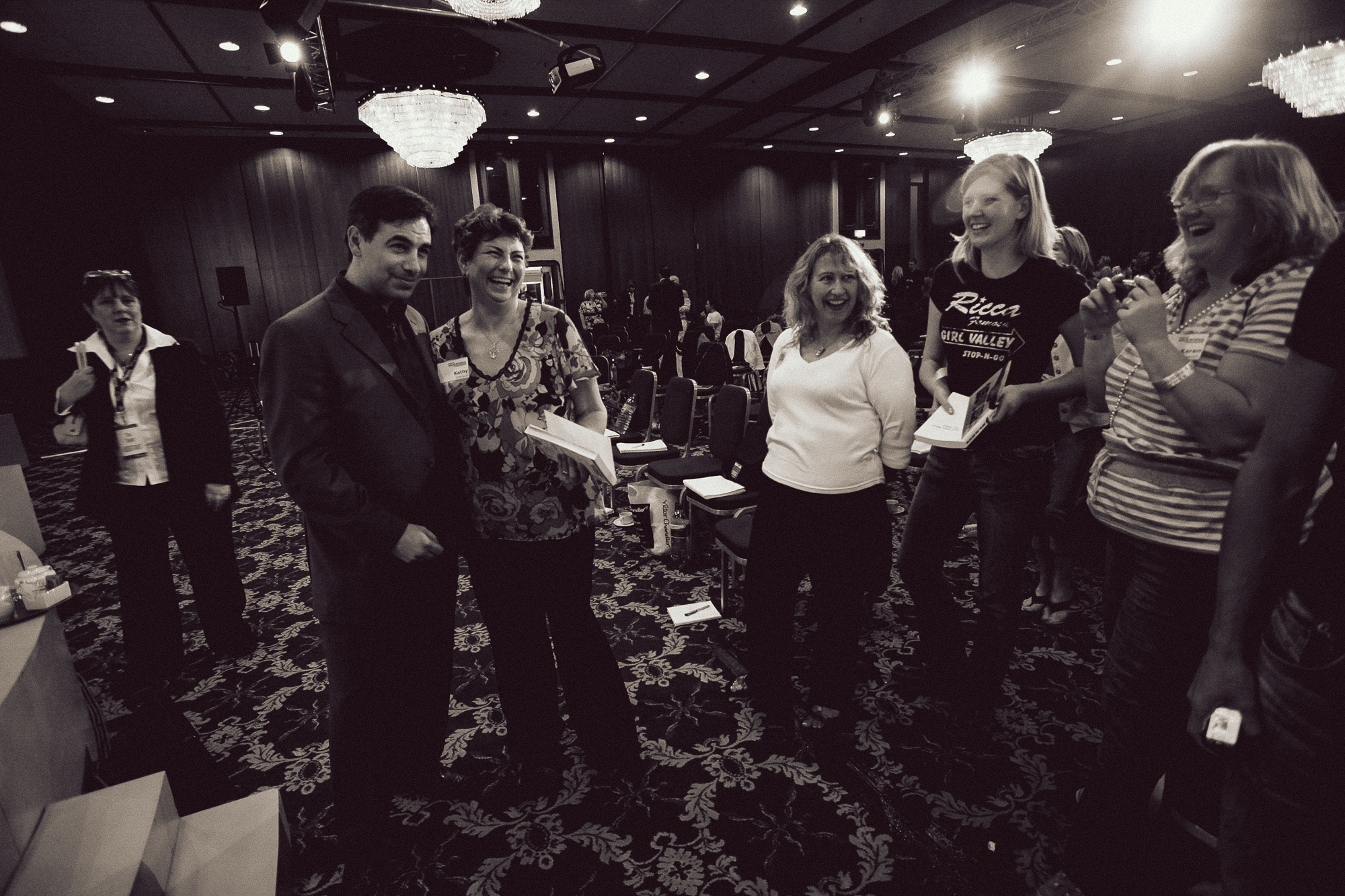
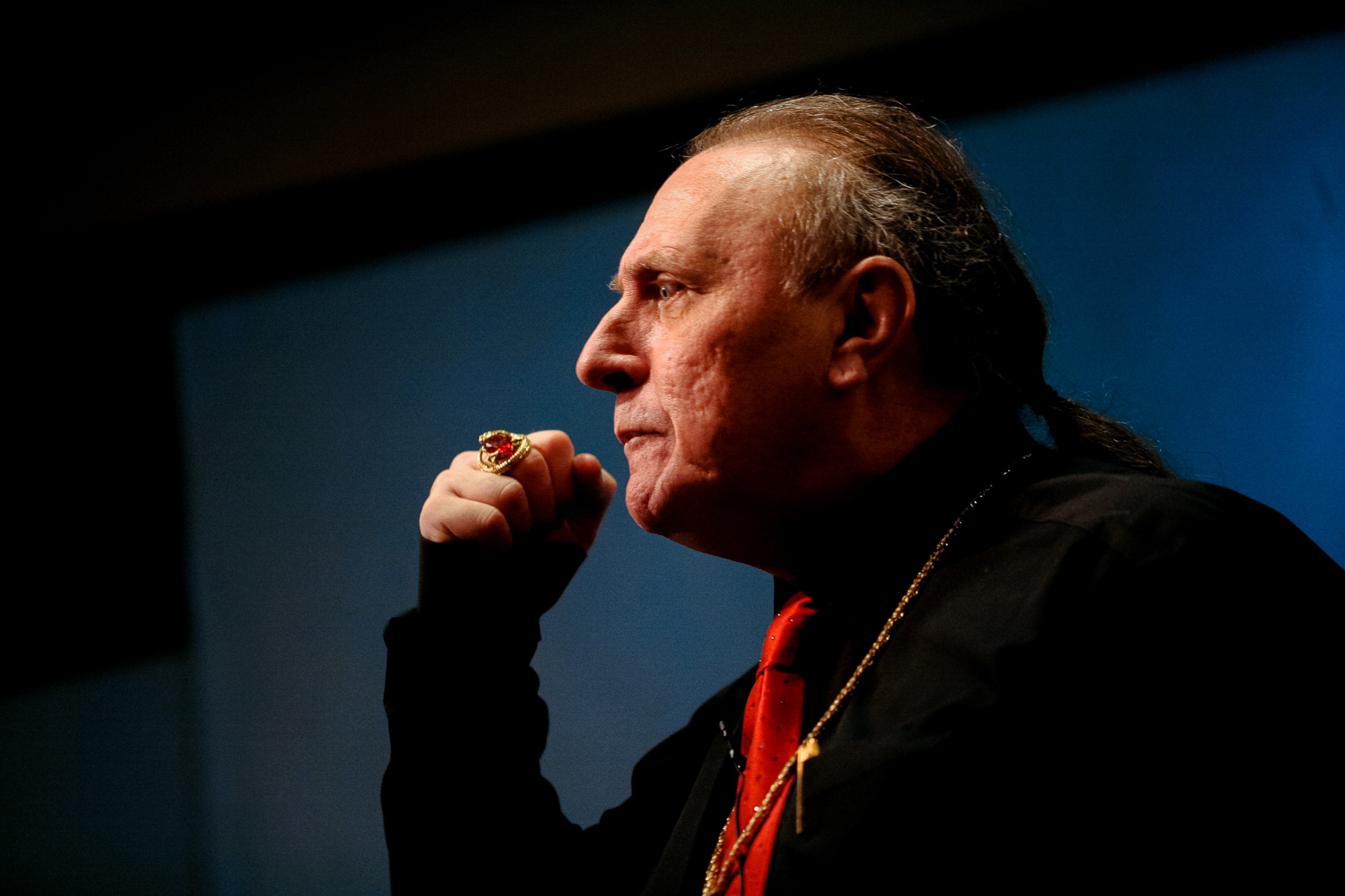
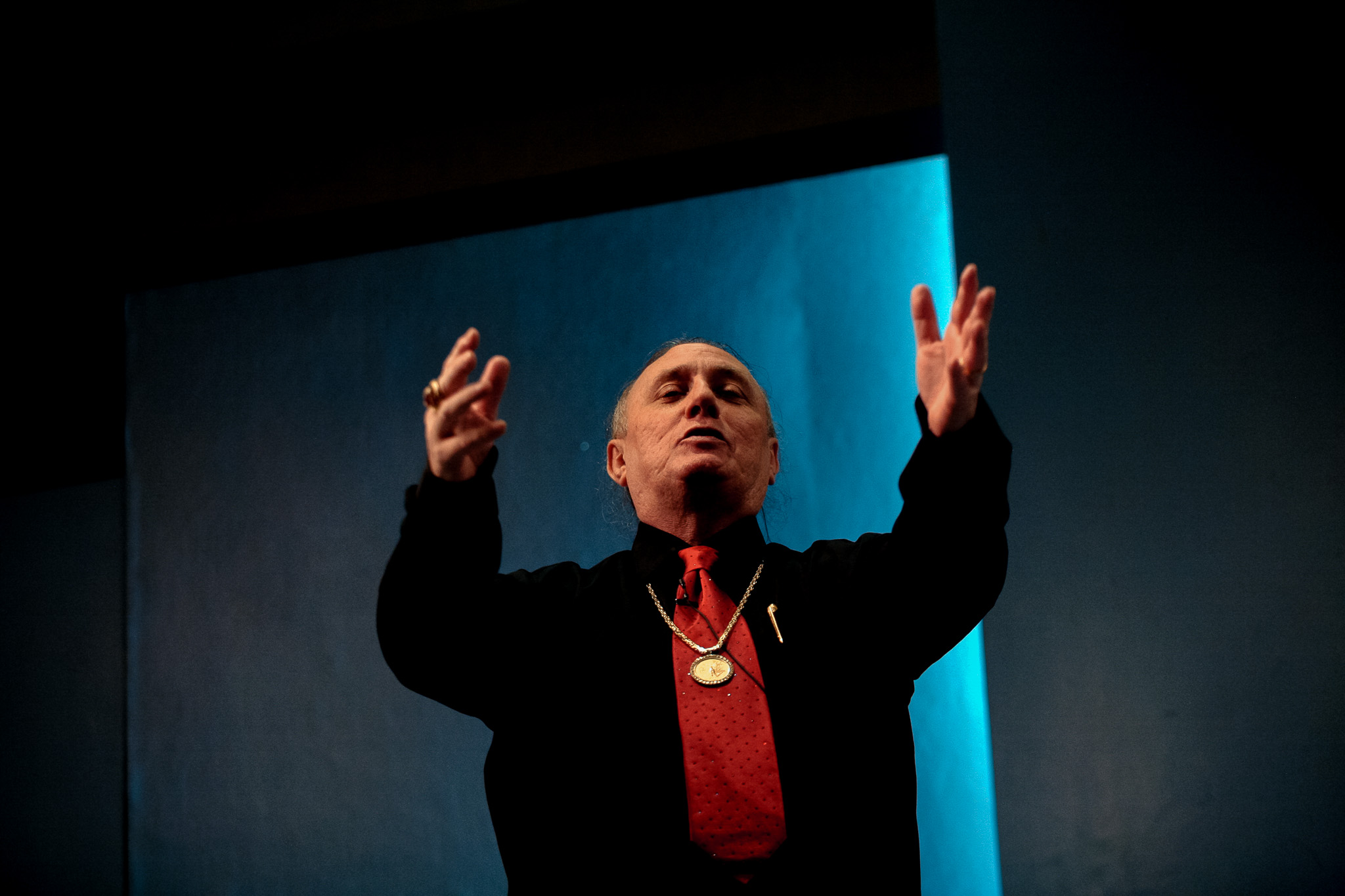
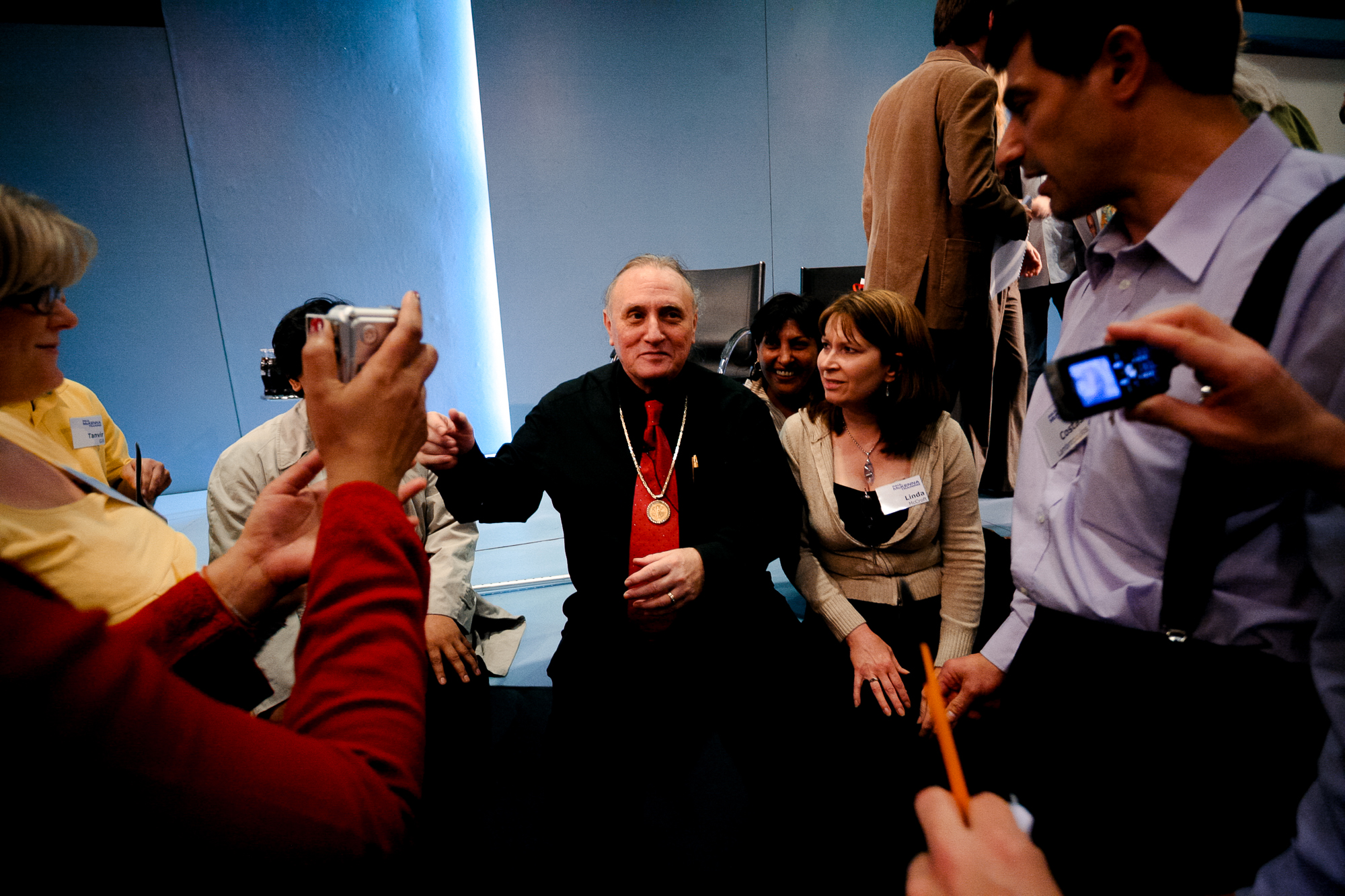
On April 22nd, 2007, I was commissioned by The Times to capture the final day of a landmark Neuro-Linguistic Programming (NLP) course at the Ibis Hotel, London. This event brought together three titans of the industry: Paul McKenna, the UK’s most famous hypnotist; Dr. Richard Bandler, the co-creator of NLP; and renowned transformative coach Michael Neill. The seminar was an intensive certification program, attended by a global audience of several hundred participants. The curriculum focused on the practical application of NLP, specifically the language patterns and psychological "anchoring" techniques developed by Bandler. My photographs document the final stage of the course, featuring live demonstrations and interventions where the speakers applied these methods in real-time to illustrate the core principles of the NLP model.
The final day of a NLP (Neuro-Linguistic Programming) course at the Ibis Hotel London, with speakers Paul McKenna, Dr Richard Bandler and Michael Neill
2007. Photograph by Sophie Laslett, The Times
the final day of a NLP (Neuro-Linguistic Programming) course at the Ibis Hotel London, with speakers Paul McKenna, Dr Richard Bandler and Michael Neill
2007. Photograph by Sophie Laslett, The Times
the final day of a NLP (Neuro-Linguistic Programming) course at the Ibis Hotel London, with speakers Paul McKenna, Dr Richard Bandler and Michael Neill
2007. Photograph by Sophie Laslett, The Times
the final day of a NLP (Neuro-Linguistic Programming) course at the Ibis Hotel London, with speakers Paul McKenna, Dr Richard Bandler and Michael Neill
2007. Photograph by Sophie Laslett, The Times
the final day of a NLP (Neuro-Linguistic Programming) course at the Ibis Hotel London, with speakers Paul McKenna, Dr Richard Bandler and Michael Neill
2007. Photograph by Sophie Laslett, The Times
the final day of a NLP (Neuro-Linguistic Programming) course at the Ibis Hotel London, with speakers Paul McKenna, Dr Richard Bandler and Michael Neill
2007. Photograph by Sophie Laslett, The Times
the final day of a NLP (Neuro-Linguistic Programming) course at the Ibis Hotel London, with speakers Paul McKenna, Dr Richard Bandler and Michael Neill
2007. Photograph by Sophie Laslett, The Times
the final day of a NLP (Neuro-Linguistic Programming) course at the Ibis Hotel London, with speakers Paul McKenna, Dr Richard Bandler and Michael Neill
2007. Photograph by Sophie Laslett, The Times
the final day of a NLP (Neuro-Linguistic Programming) course at the Ibis Hotel London, with speakers Paul McKenna, Dr Richard Bandler and Michael Neill
2007. Photograph by Sophie Laslett, The Times
the final day of a NLP (Neuro-Linguistic Programming) course at the Ibis Hotel London, with speakers Paul McKenna, Dr Richard Bandler and Michael Neill
2007. Photograph by Sophie Laslett, The Times
the final day of a NLP (Neuro-Linguistic Programming) course at the Ibis Hotel London, with speakers Paul McKenna, Dr Richard Bandler and Michael Neill
2007. Photograph by Sophie Laslett, The Times
the final day of a NLP (Neuro-Linguistic Programming) course at the Ibis Hotel London, with speakers Paul McKenna, Dr Richard Bandler and Michael Neill
2007. Photograph by Sophie Laslett, The Times
the final day of a NLP (Neuro-Linguistic Programming) course at the Ibis Hotel London, with speakers Paul McKenna, Dr Richard Bandler and Michael Neill
2007. Photograph by Sophie Laslett, The Times
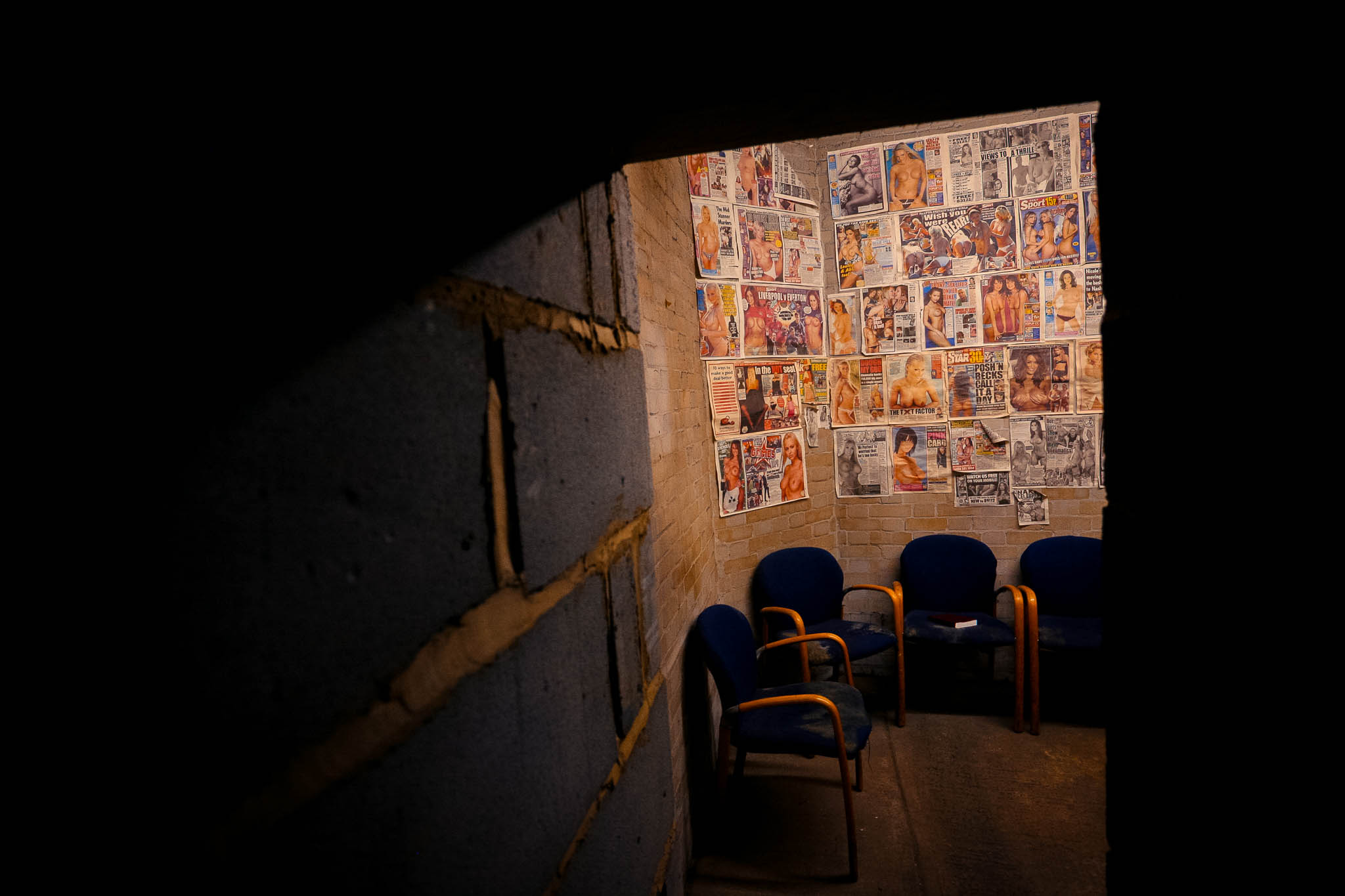
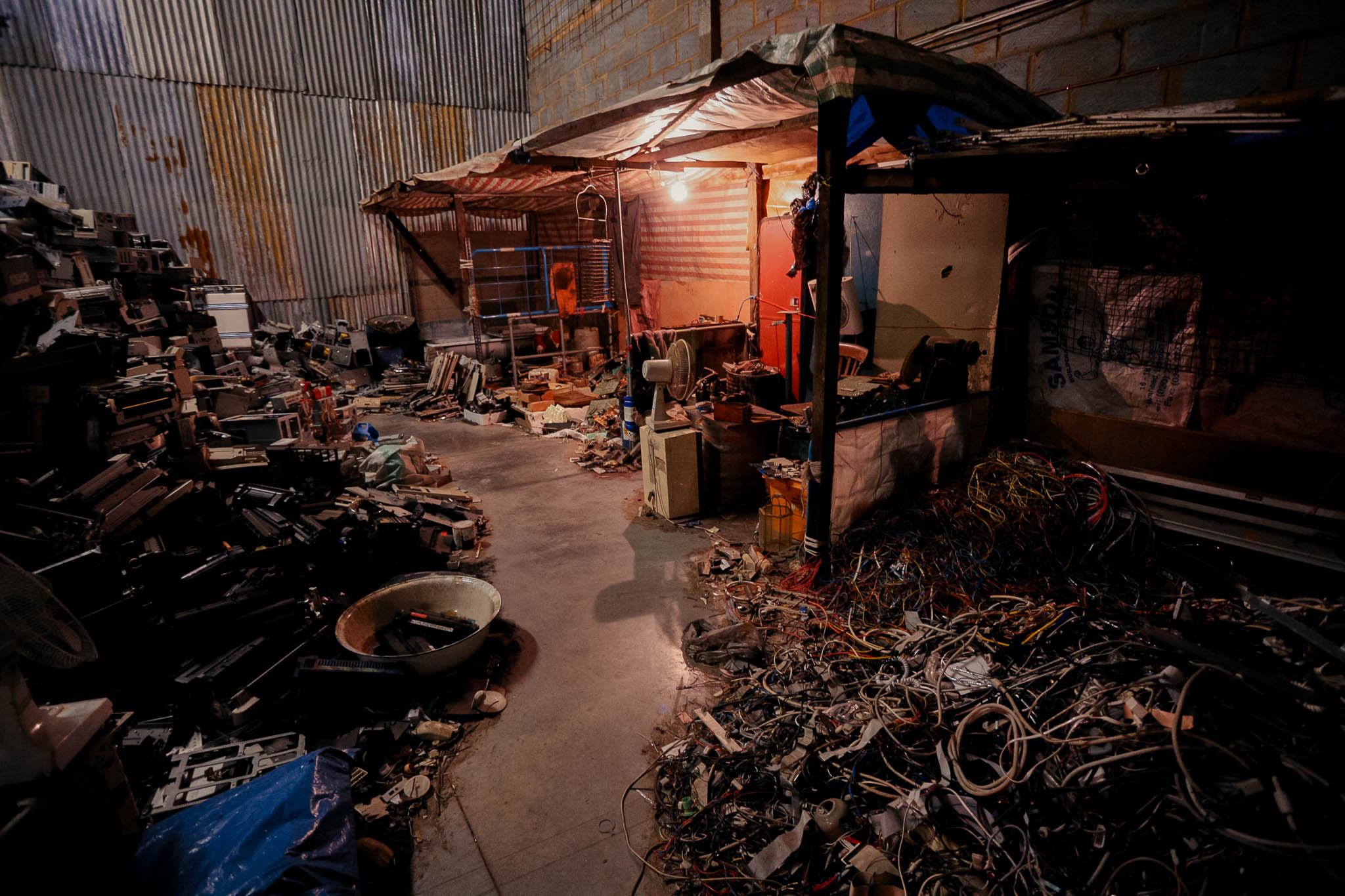
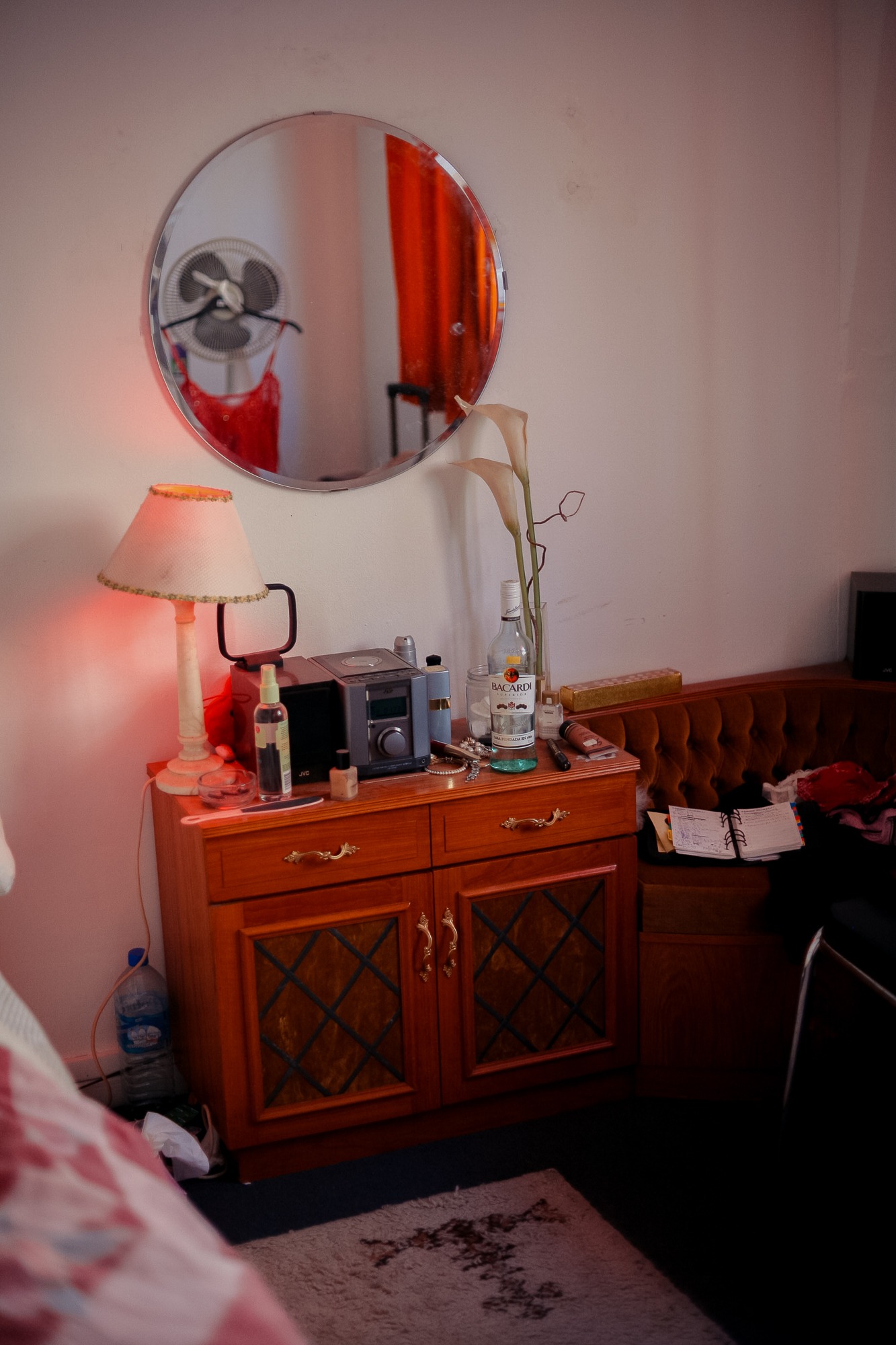
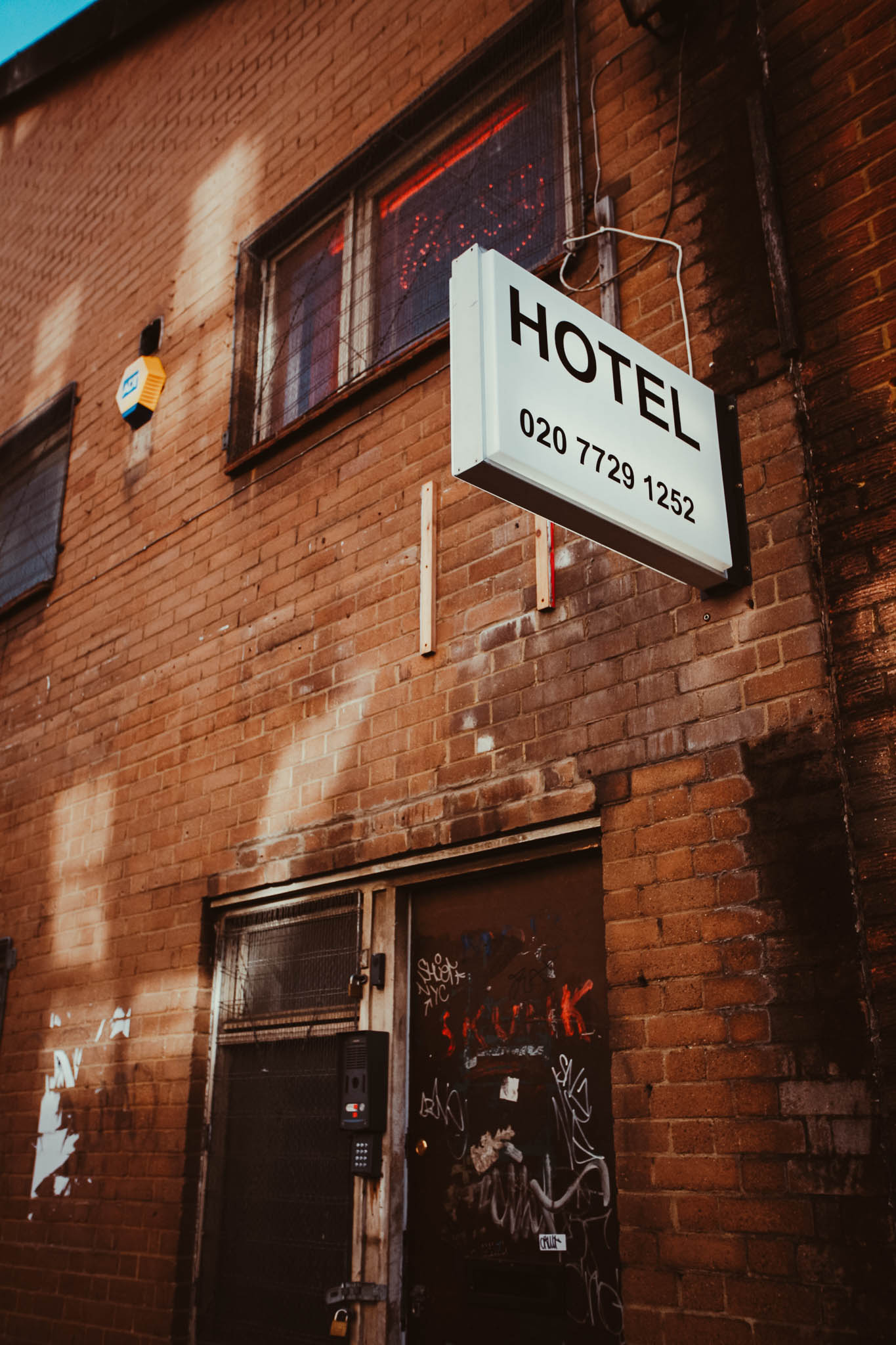
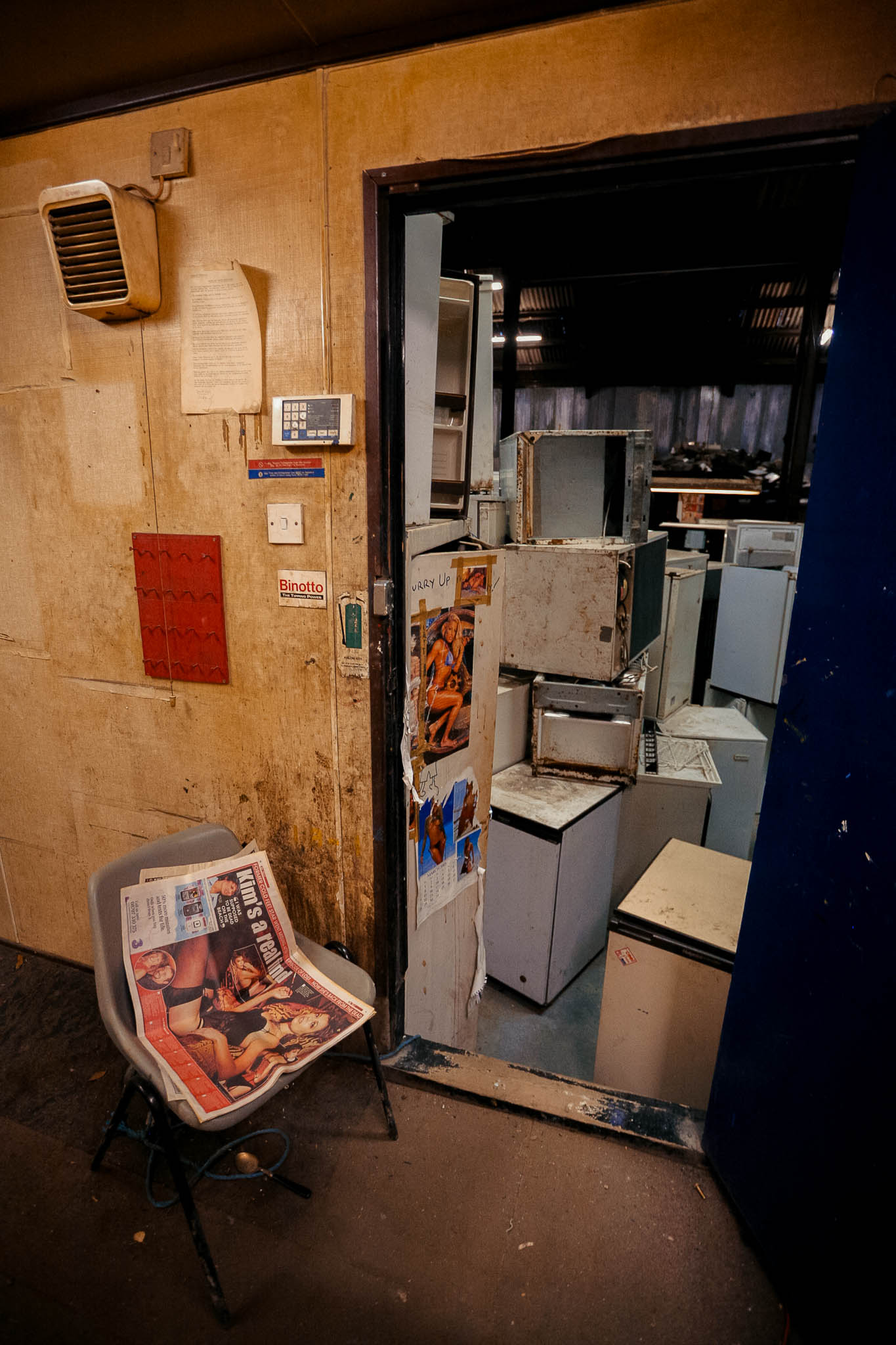
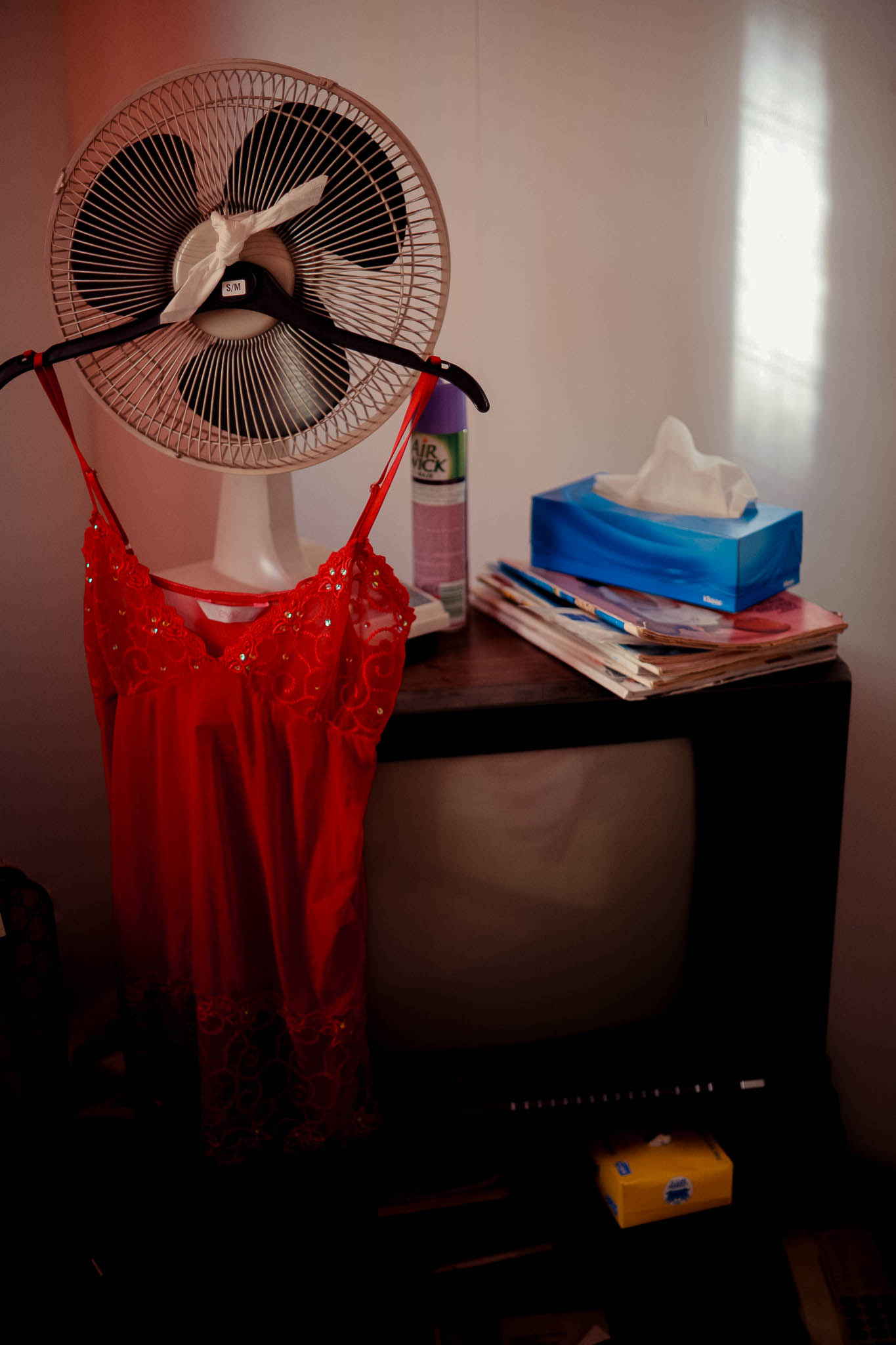
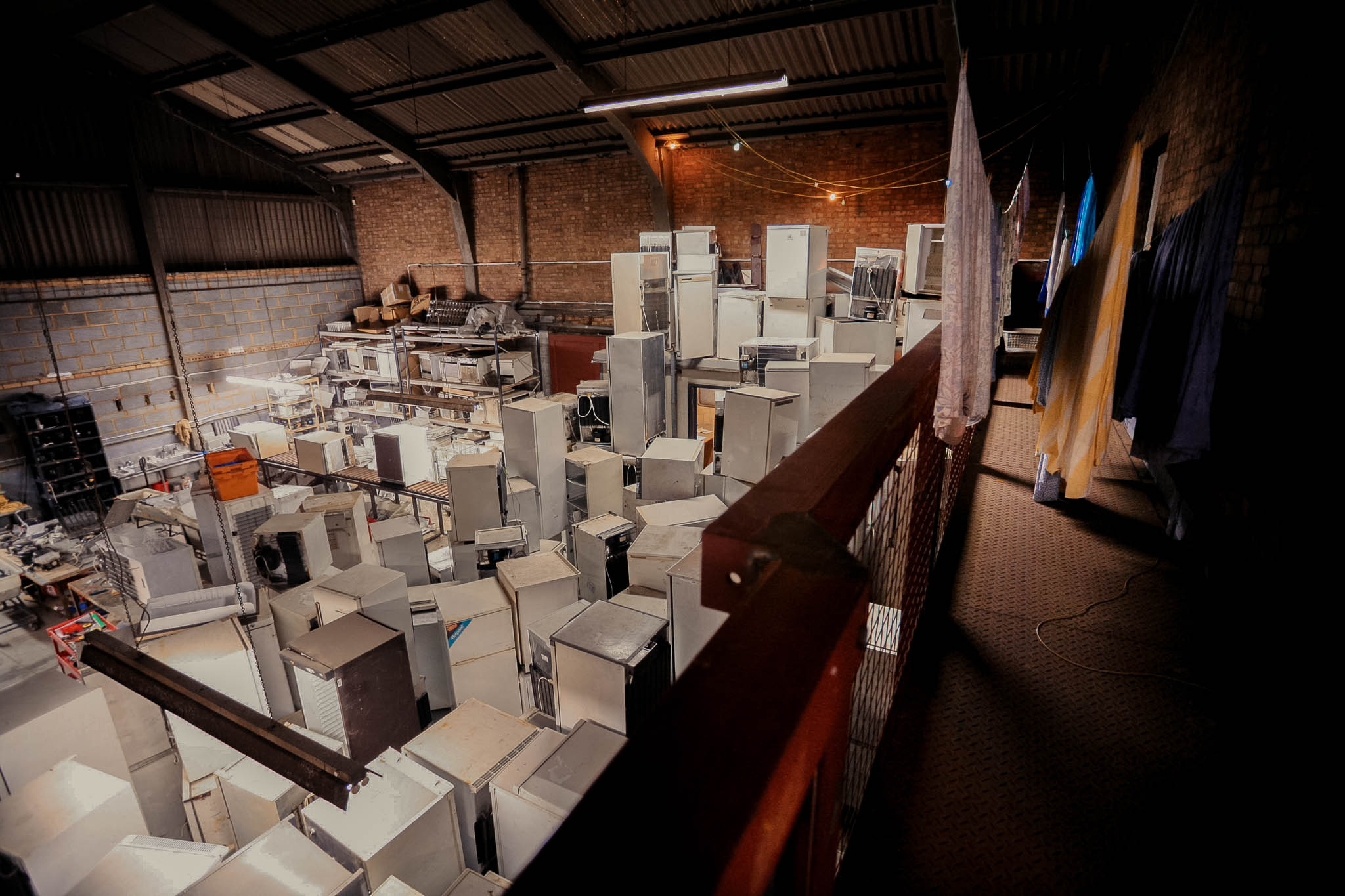
This assignment for The Times documents the large-scale immersive installation ‘Simply Botiful’ by Swiss artist Christoph Büchel. Hosted at the Hauser & Wirth Coppermill warehouse in East London, the work consisted of a sprawling, multi-layered environment that included a makeshift hotel, a travel agency, and various industrial ruins. The photographs record the intricate, hyper-realistic details of the site-specific installation, which explored themes of global capital, labor, and migration.
A detail of the large-scale art installation ‘Simply Botiful’ by Christoph Buchel held at Hauser & Wirth Coppermill, East London
2006. Photograph by Sophie Laslett, The Times
A detail of the large-scale art installation ‘Simply Botiful’ by Christoph Buchel held at Hauser & Wirth Coppermill, East London
2006. Photograph by Sophie Laslett, The Times
A detail of the large-scale art installation ‘Simply Botiful’ by Christoph Buchel held at Hauser & Wirth Coppermill, East London
2006. Photograph by Sophie Laslett, The Times
A detail of the large-scale art installation ‘Simply Botiful’ by Christoph Buchel held at Hauser & Wirth Coppermill, East London
2006. Photograph by Sophie Laslett, The Times
A detail of the large-scale art installation ‘Simply Botiful’ by Christoph Buchel held at Hauser & Wirth Coppermill, East London
2006. Photograph by Sophie Laslett, The Times
A detail of the large-scale art installation ‘Simply Botiful’ by Christoph Buchel held at Hauser & Wirth Coppermill, East London
2006. Photograph by Sophie Laslett, The Times
A detail of the large-scale art installation ‘Simply Botiful’ by Christoph Buchel held at Hauser & Wirth Coppermill, East London
2006. Photograph by Sophie Laslett, The Times
a detail of the large-scale art installation ‘Simply Botiful’ by Christoph Buchel held at Hauser & Wirth Coppermill, East London
2006. Photograph by Sophie Laslett, The Times
a detail of the large-scale art installation ‘Simply Botiful’ by Christoph Buchel held at Hauser & Wirth Coppermill, East London
2006. Photograph by Sophie Laslett, The Times
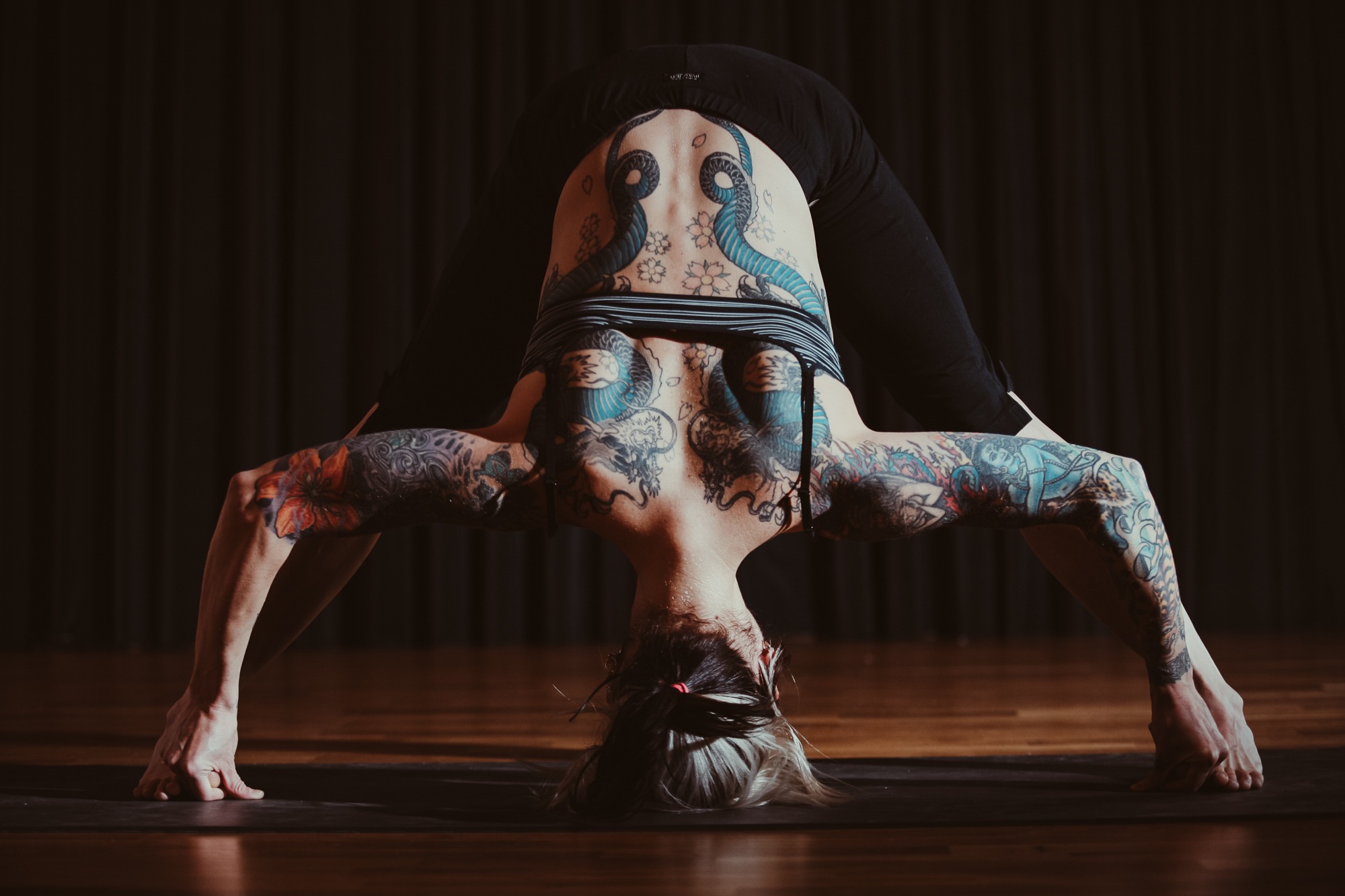
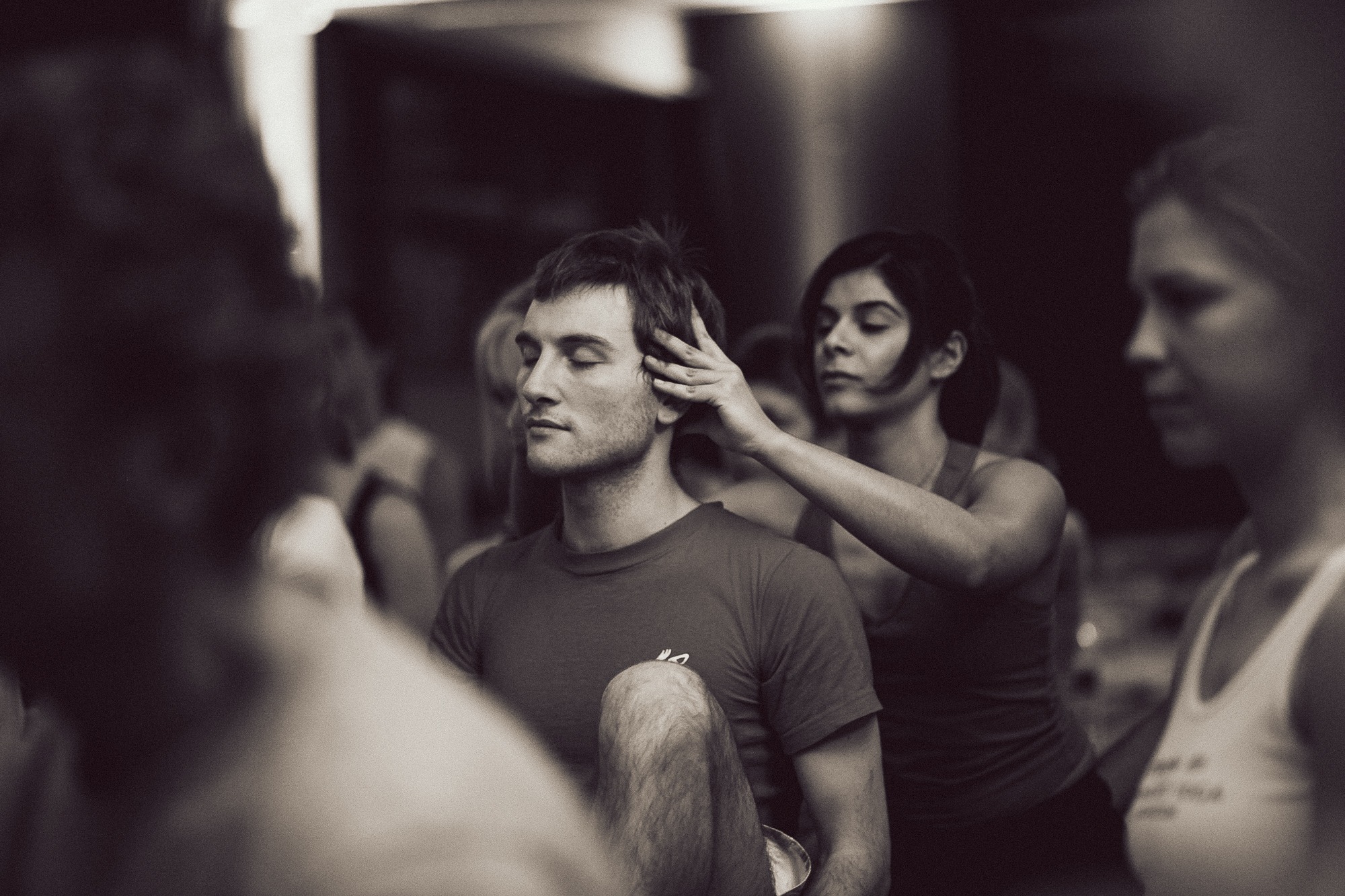
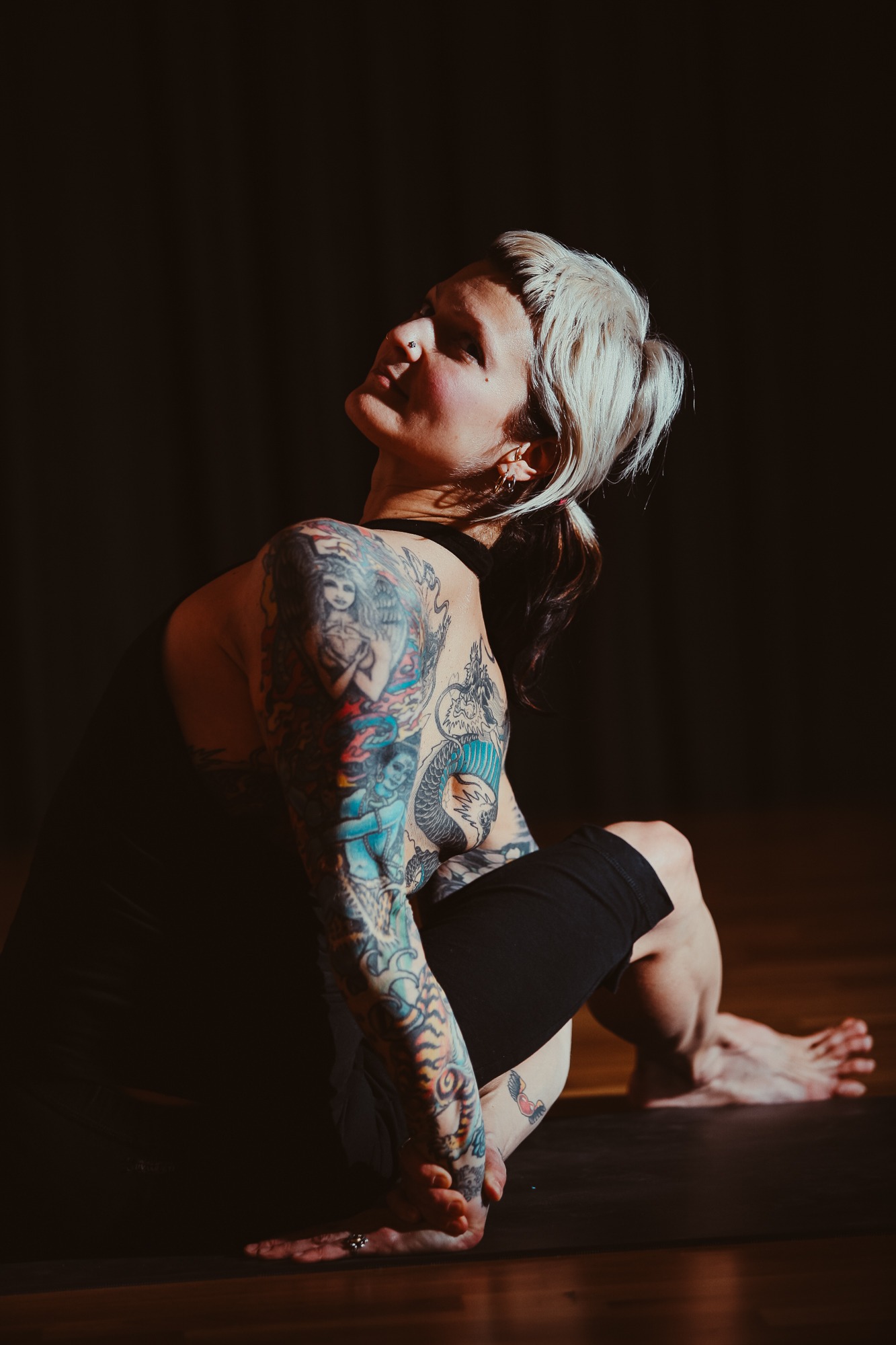
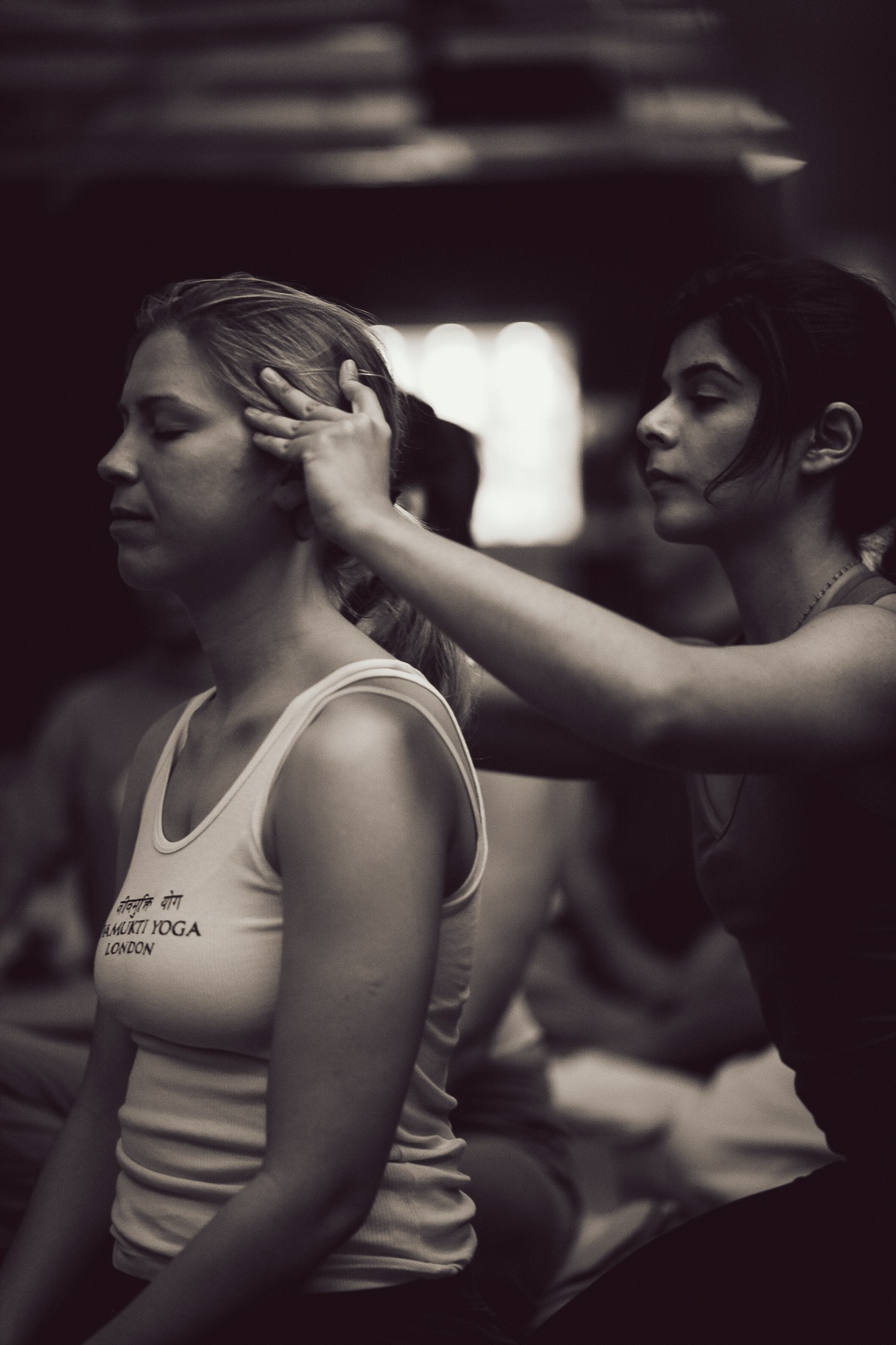
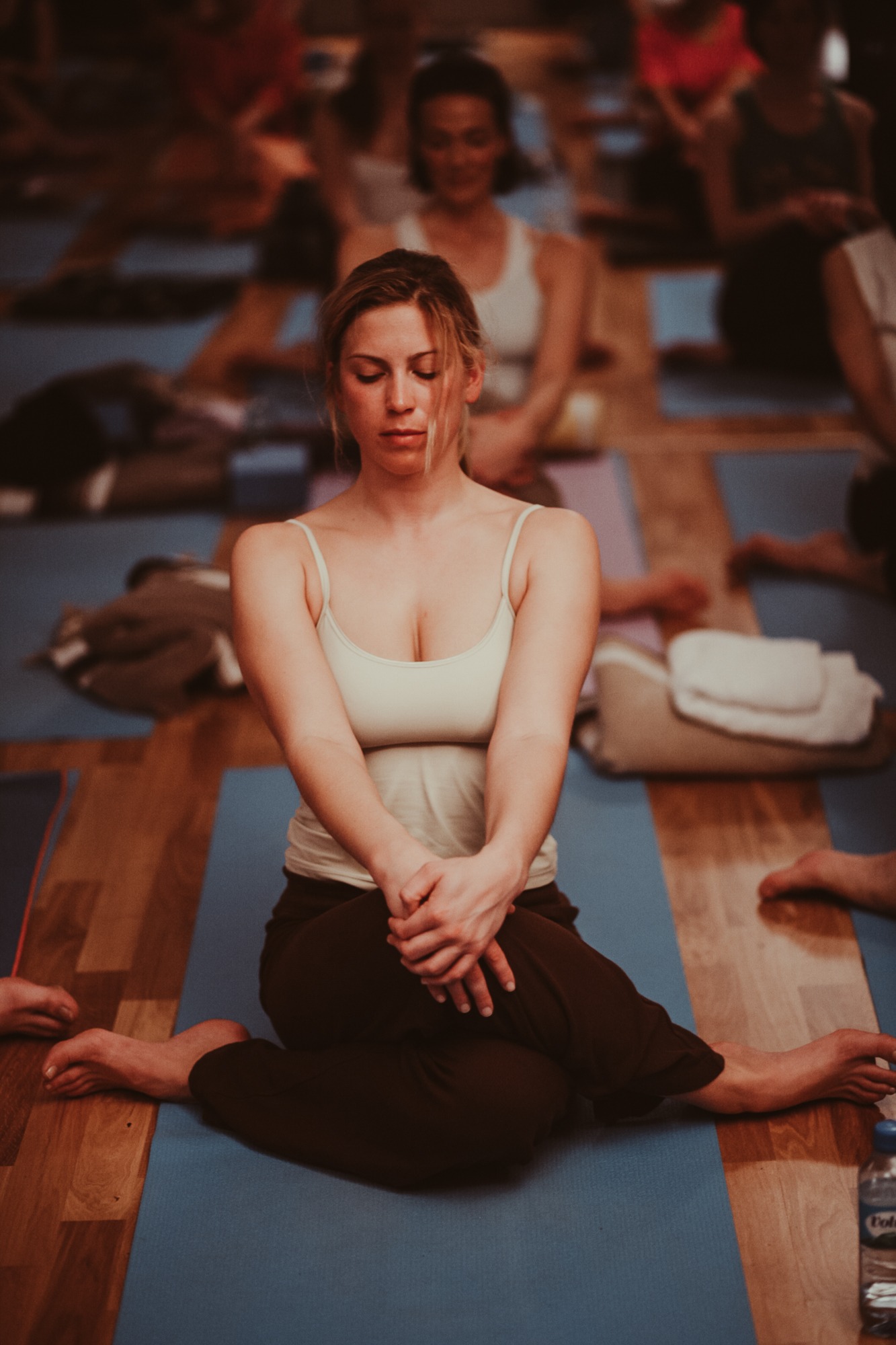
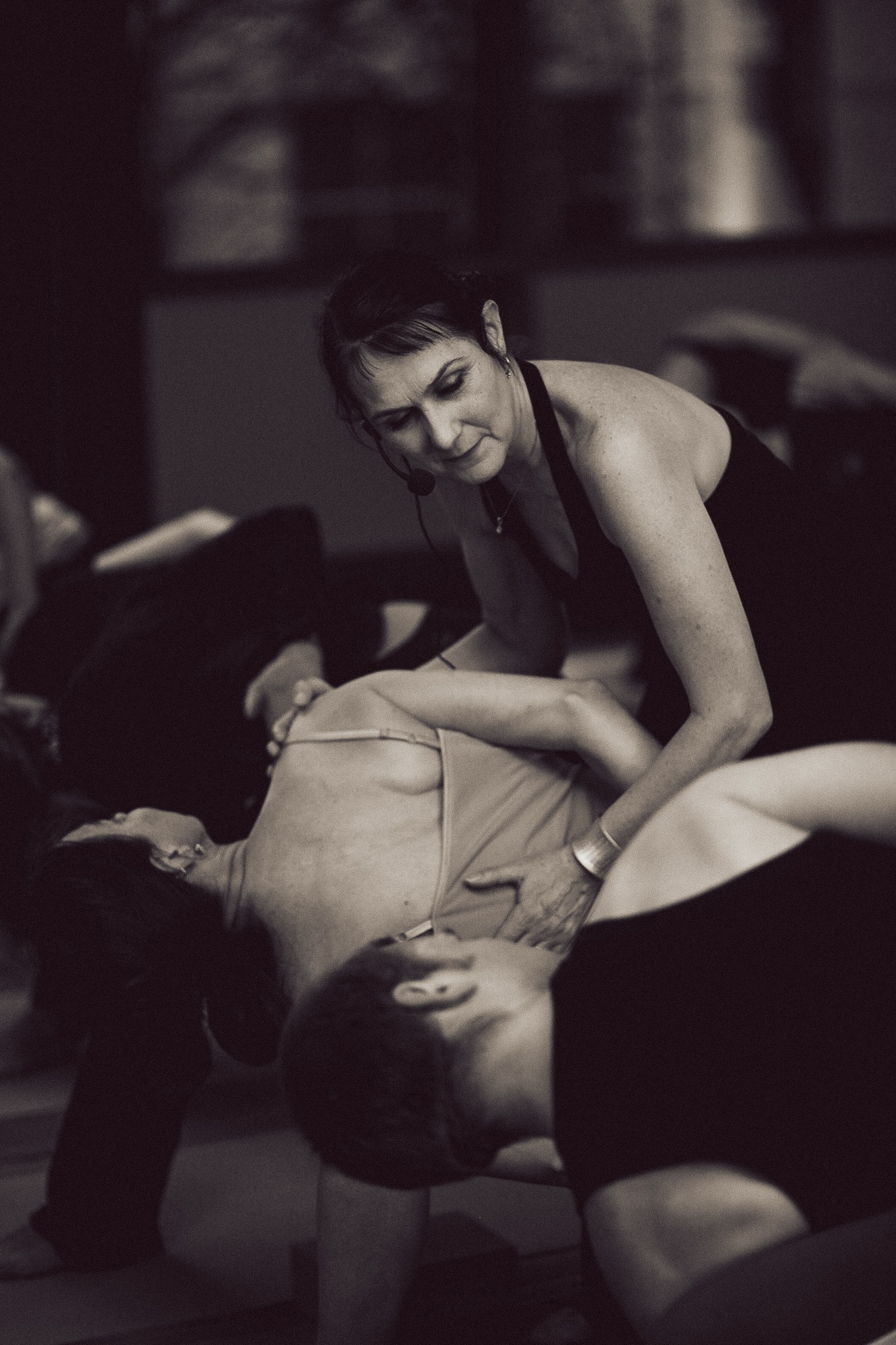
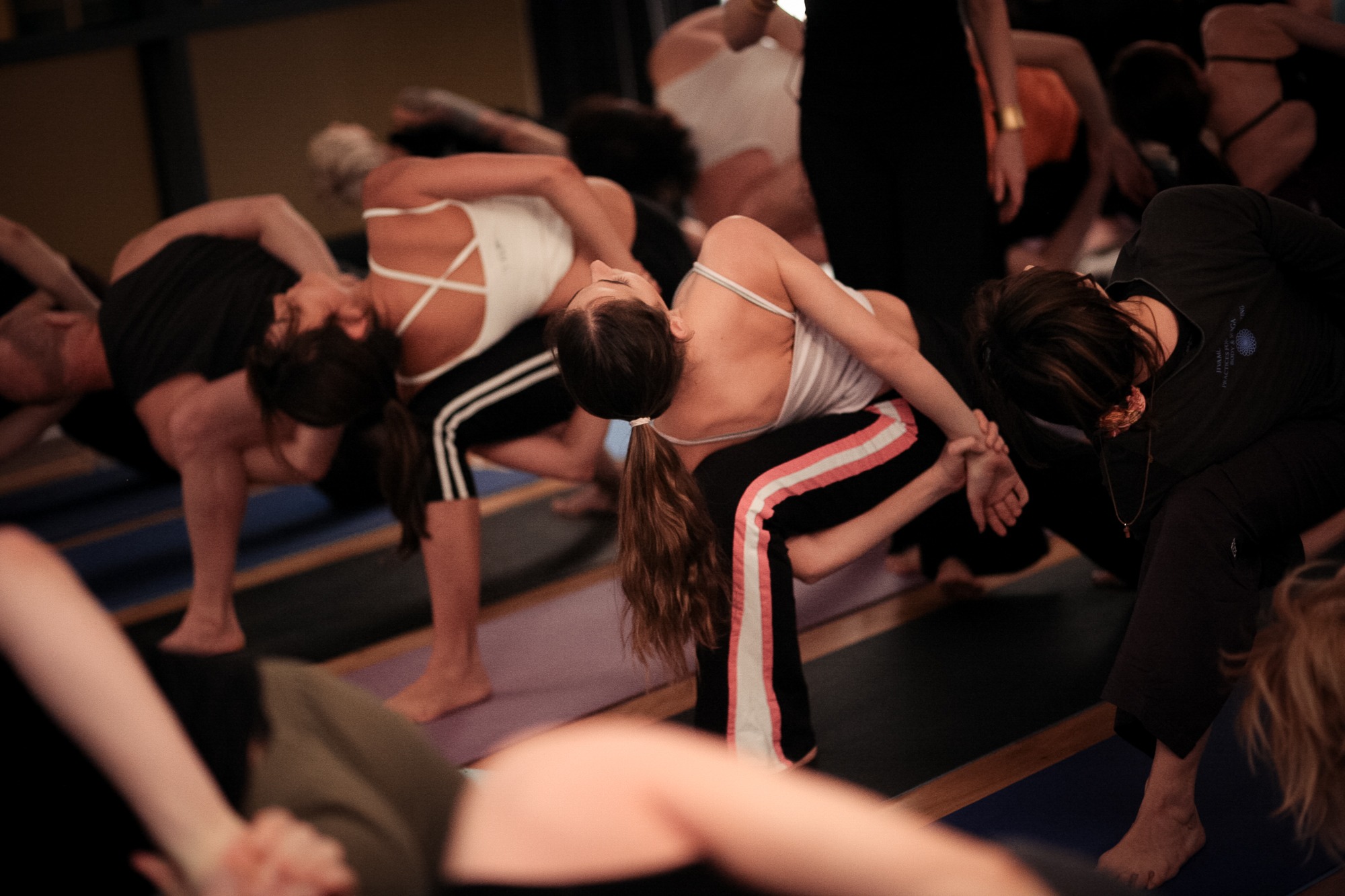
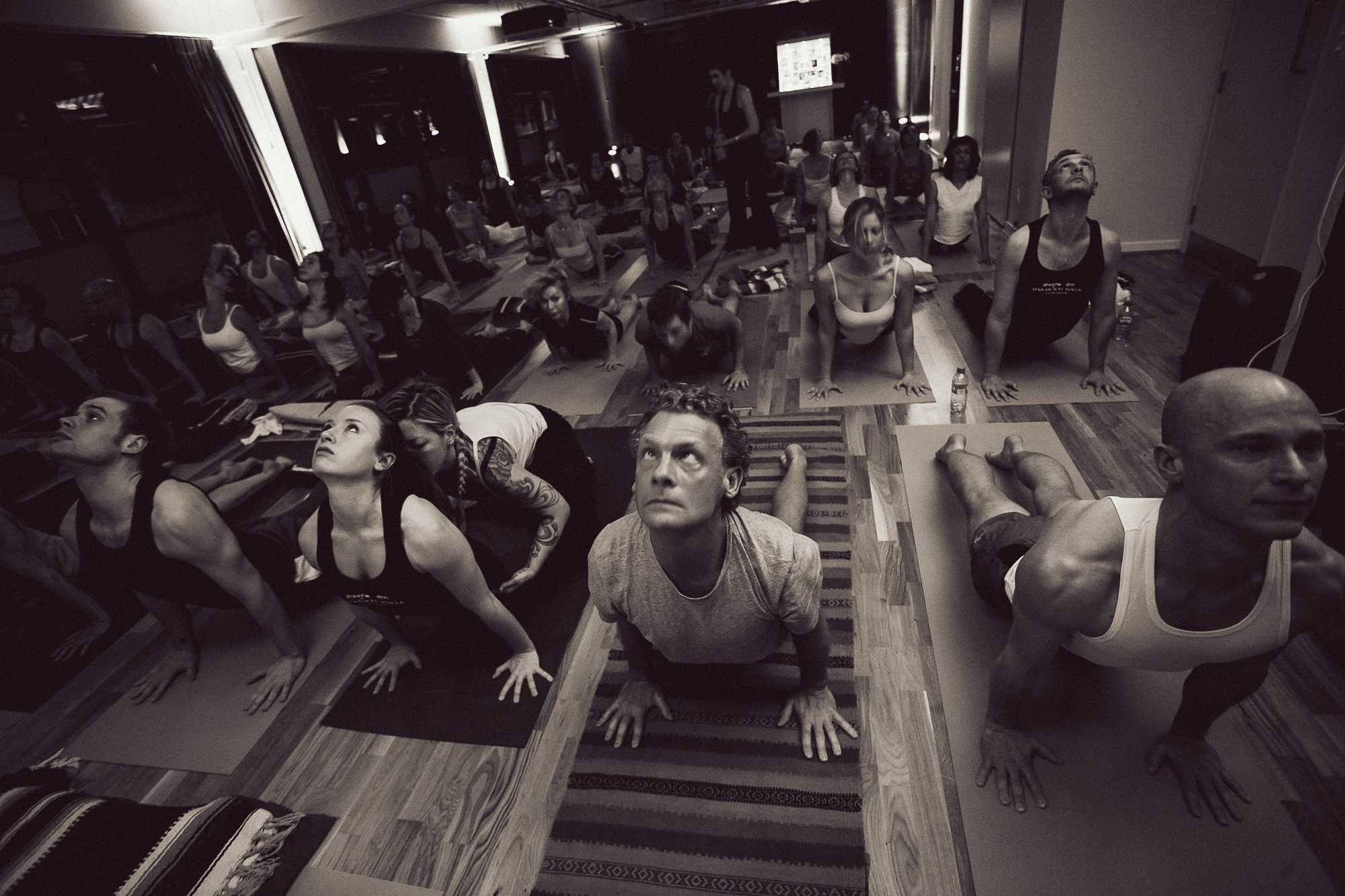
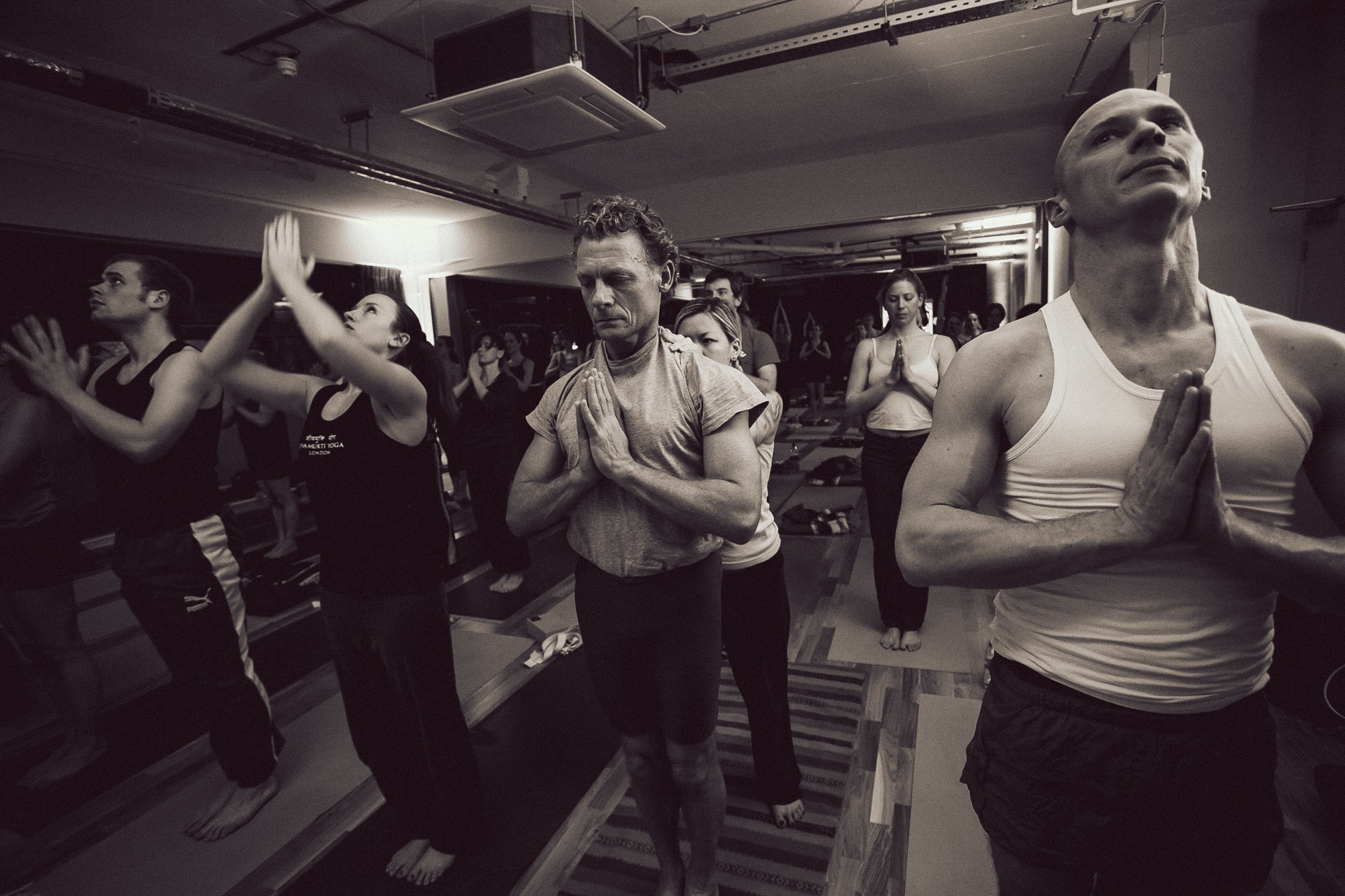
Commissioned by The Times, these photographs document Jivamukti Yoga teacher Durga Devi (Denise Teperino-Miret) and a concurrent group class. The Jivamukti method, founded in the 1980s, is a proprietary yoga style that integrates physical asanas with an ethical framework including animal rights and social activism. The images record the physical positions (asanas) and the environment of the London centre, which is dedicated to the physical, intellectual, and spiritual application of the practice.
Jivamukti Yoga teacher Durga Devi (Denise Teperino-Miret) in a Jivamukti Yoga position at the London centre devoted to this physical, intellectual and spiritual practice
2006. Photograph by Sophie Laslett, The Times
Jivamukti Yoga class, London
2006. Photograph by Sophie Laslett, The Times
Jivamukti Yoga teacher Durga Devi (Denise Teperino-Miret) in a Jivamukti Yoga position at the London centre devoted to this physical, intellectual and spiritual practice
2006. Photograph by Sophie Laslett, The Times
Jivamukti Yoga class, London
2006. Photograph by Sophie Laslett, The Times
Jivamukti Yoga class, London
2006. Photograph by Sophie Laslett, The Times
Jivamukti Yoga class, London
2006. Photograph by Sophie Laslett, The Times
Jivamukti Yoga class, London
2006. Photograph by Sophie Laslett, The Times
Jivamukti Yoga class, London
2006. Photograph by Sophie Laslett, The Times
Jivamukti Yoga class, London
2006. Photograph by Sophie Laslett, The Times
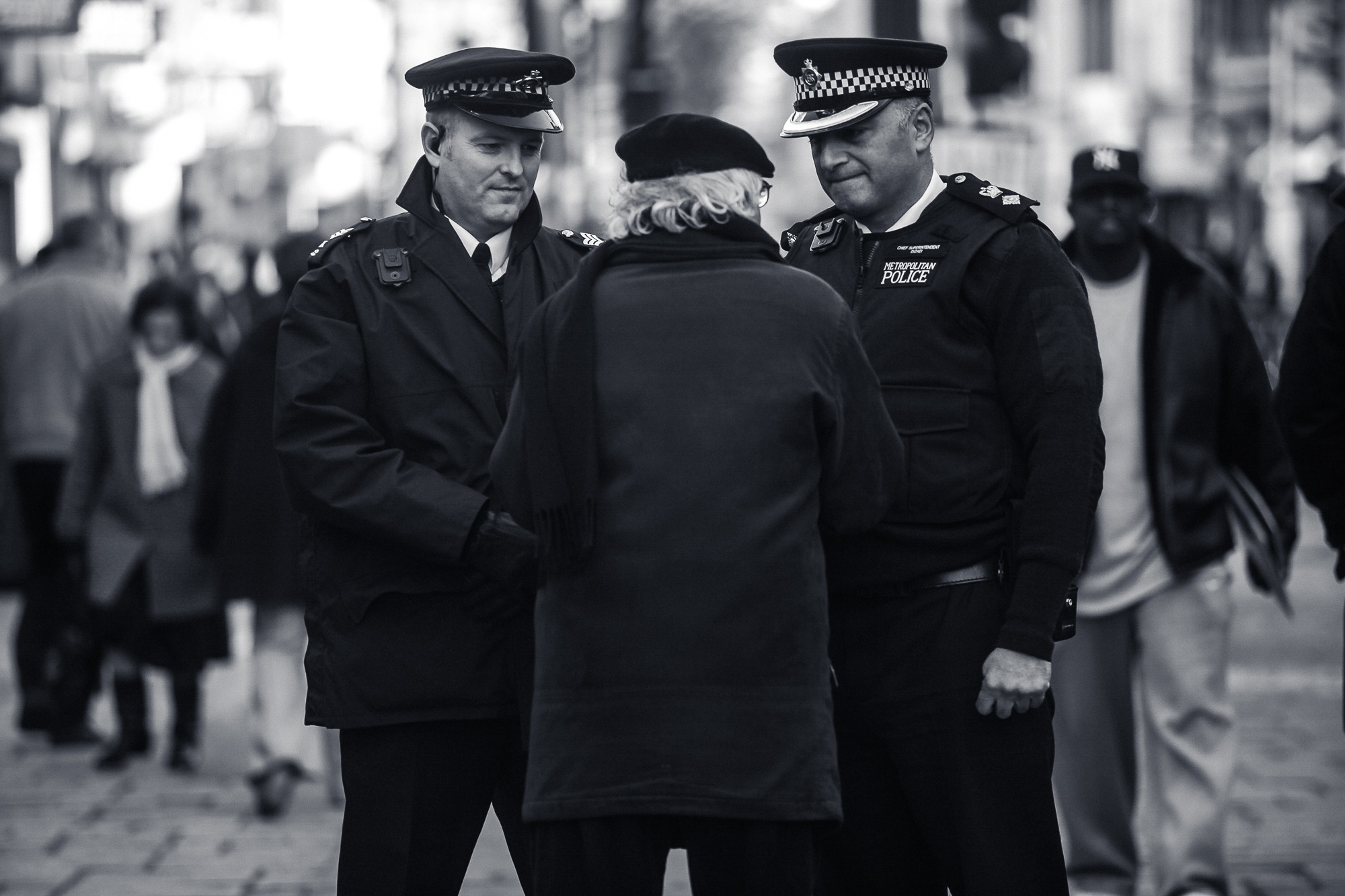
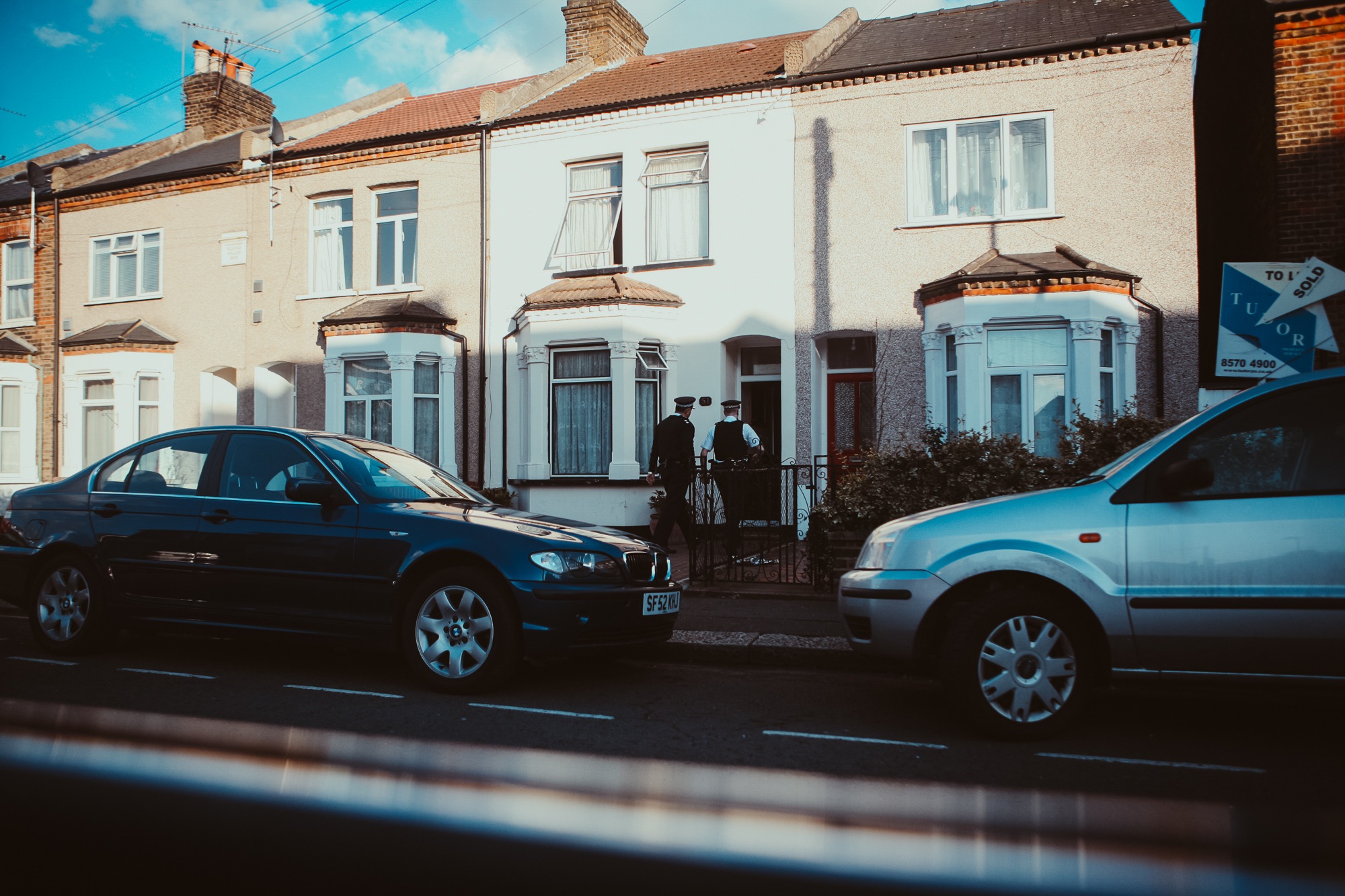
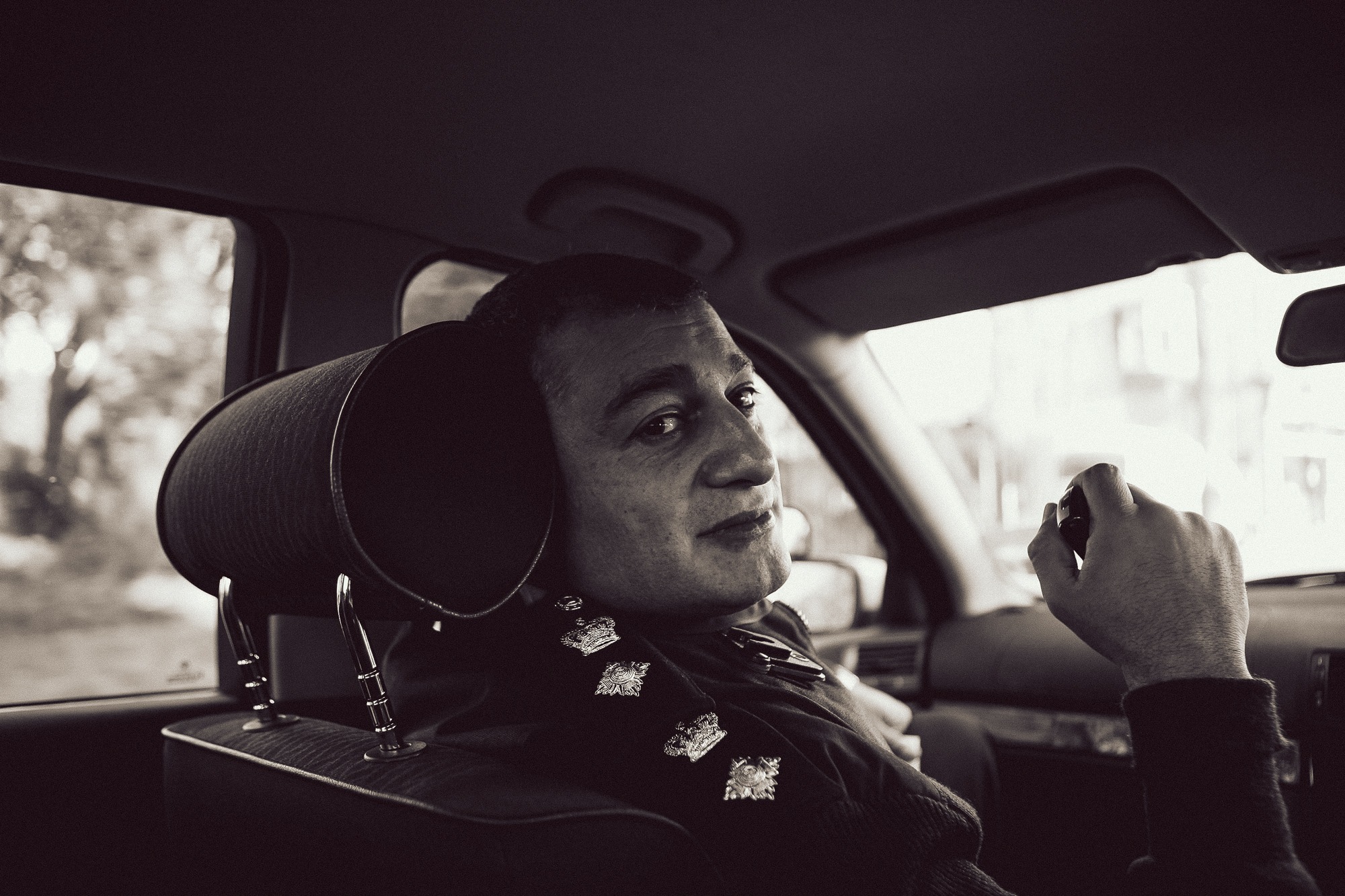
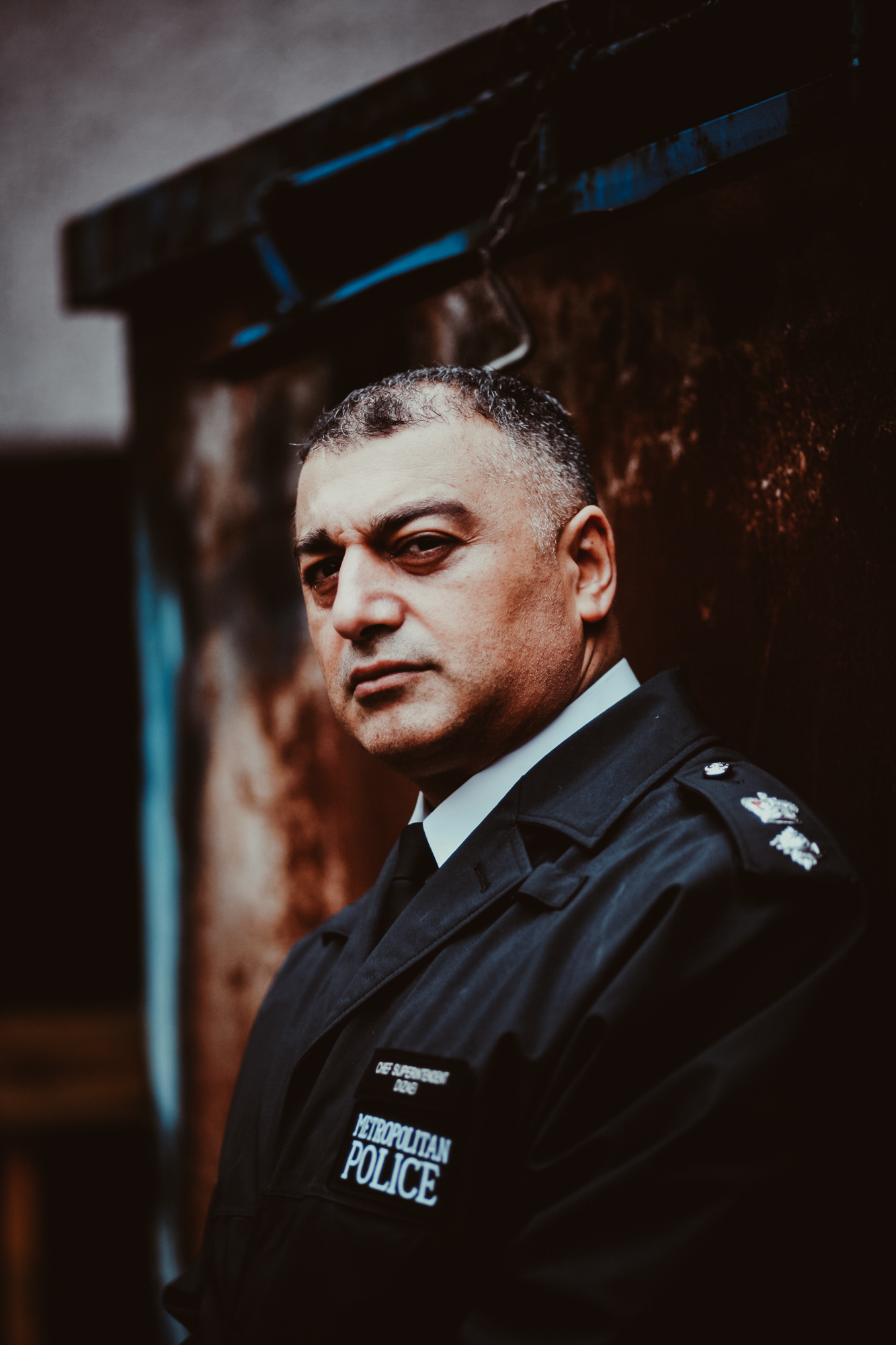
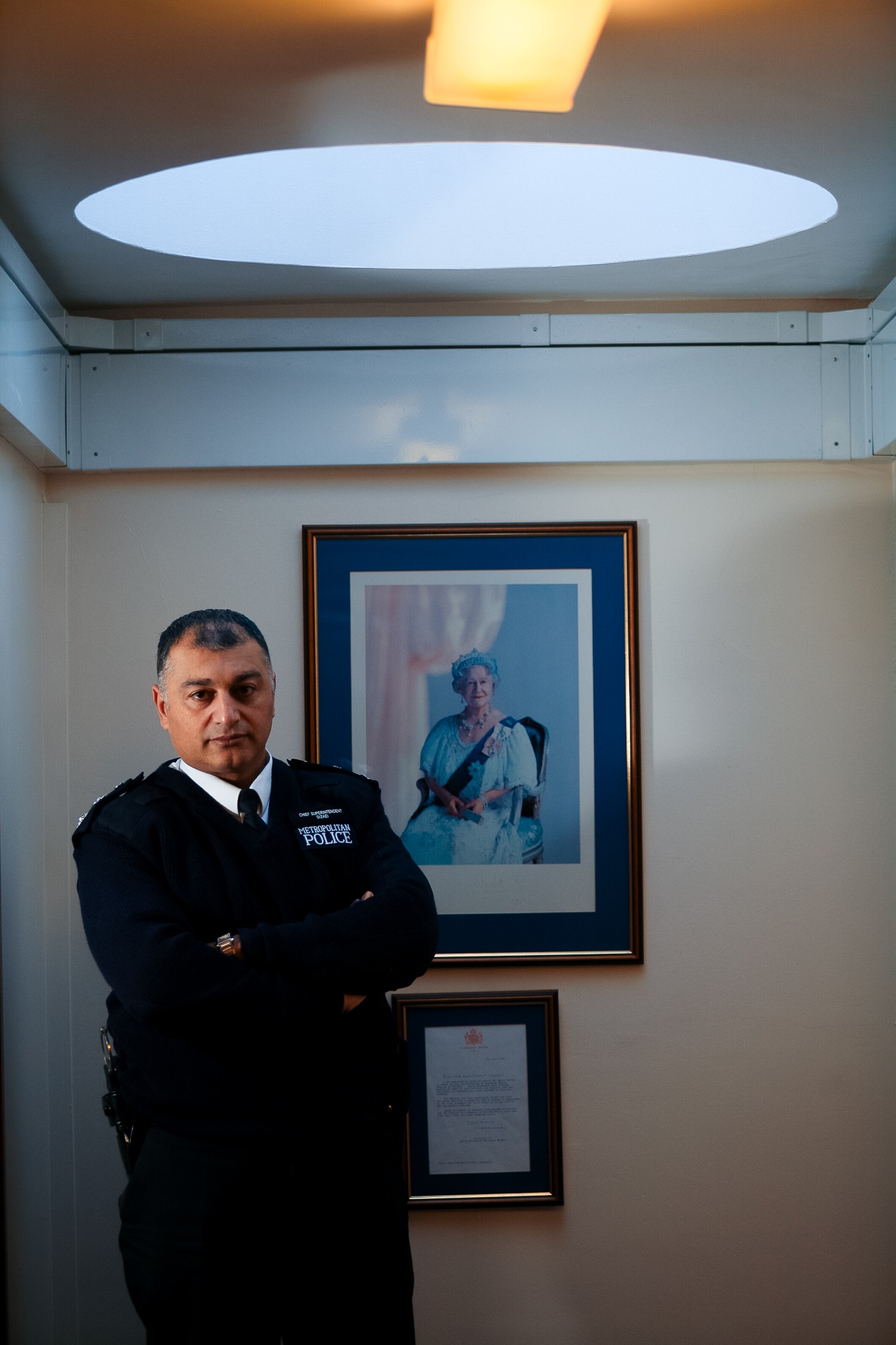
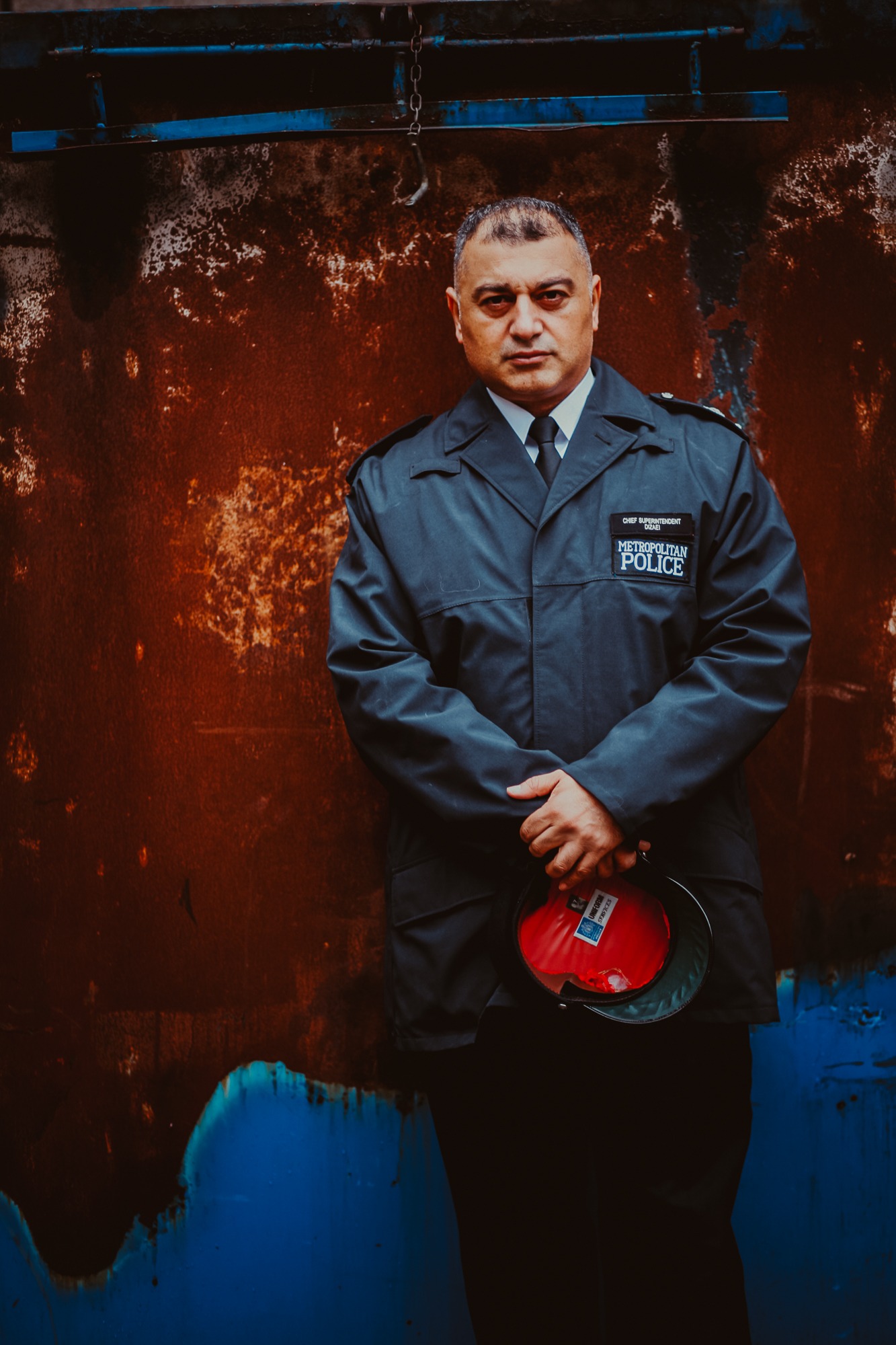
These photographs feature Metropolitan Police Superintendent Ali Dizaei at work in the London Borough of Hounslow.
Dizaei served as the Borough Commander for Hounslow from 2005 to 2007. This period followed his initial acquittal on major corruption charges and saw his highly controversial return to the Metropolitan Police. As a prominent figure in the National Black Police Association (NBPA), he was a vocal critic of police racism, making his senior appointment a notable, high-profile event within the force and the media.
Metropolitan Police Superintendent Ali Dizaei at work in the London Borough of Hounslow
2006. Photograph by Sophie Laslett, The Times
Metropolitan Police Superintendent Ali Dizaei at work in the London Borough of Hounslow
2006. Photograph by Sophie Laslett, The Times
Metropolitan Police Superintendent Ali Dizaei at work in the London Borough of Hounslow
2006. Photograph by Sophie Laslett, The Times
Metropolitan Police Superintendent Ali Dizaei at work in the London Borough of Hounslow
2006. Photograph by Sophie Laslett, The Times
Metropolitan Police Superintendent Ali Dizaei at work in the London Borough of Hounslow
2006. Photograph by Sophie Laslett, The Times
Metropolitan Police Superintendent Ali Dizaei at work in the London Borough of Hounslow
2006. Photograph by Sophie Laslett, The Times
Metropolitan Police Superintendent Ali Dizaei at work in the London Borough of Hounslow
2006. Photograph by Sophie Laslett, The Times
Metropolitan Police Superintendent Ali Dizaei at work in the London Borough of Hounslow
2006. Photograph by Sophie Laslett, The Times
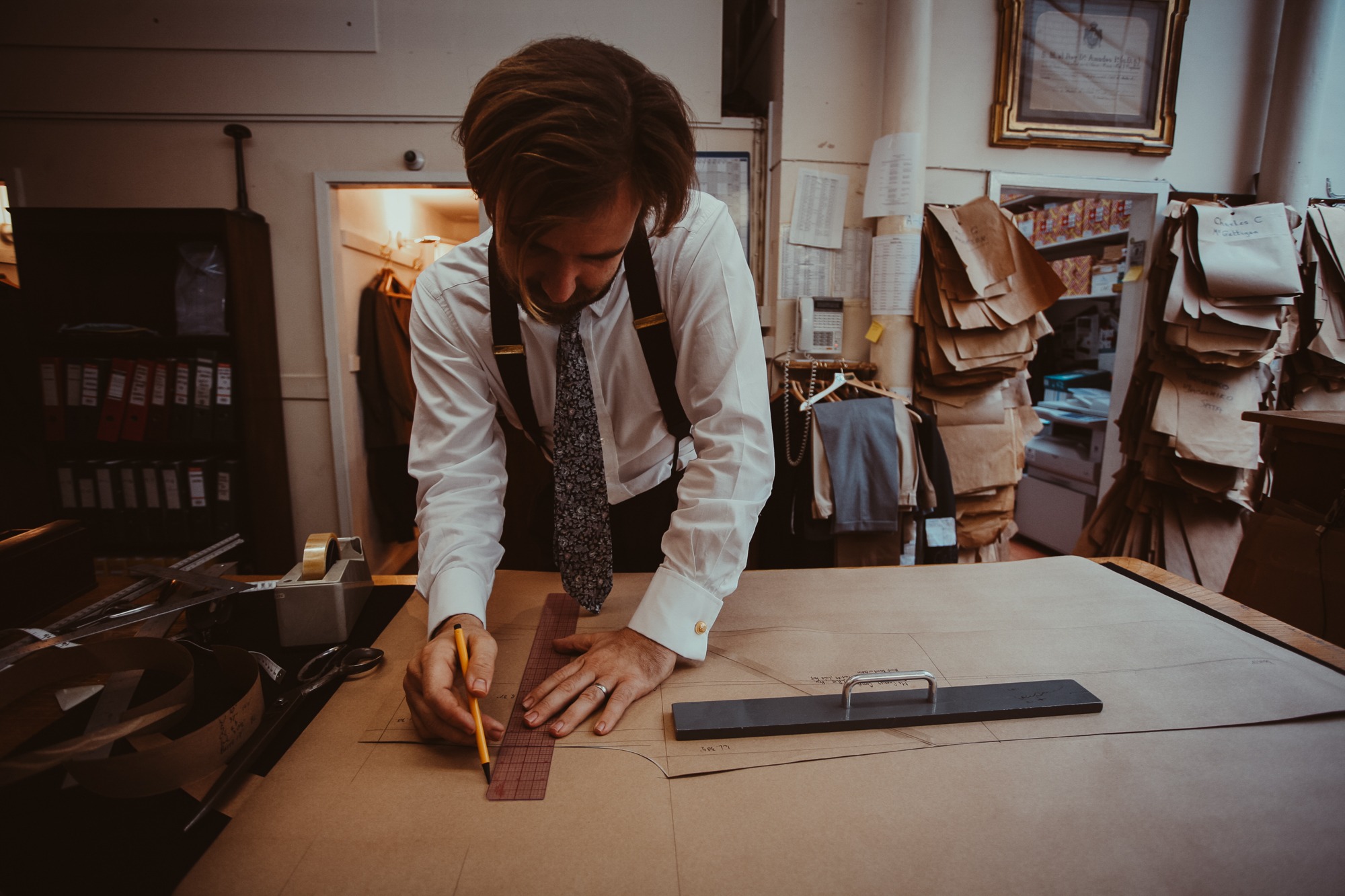
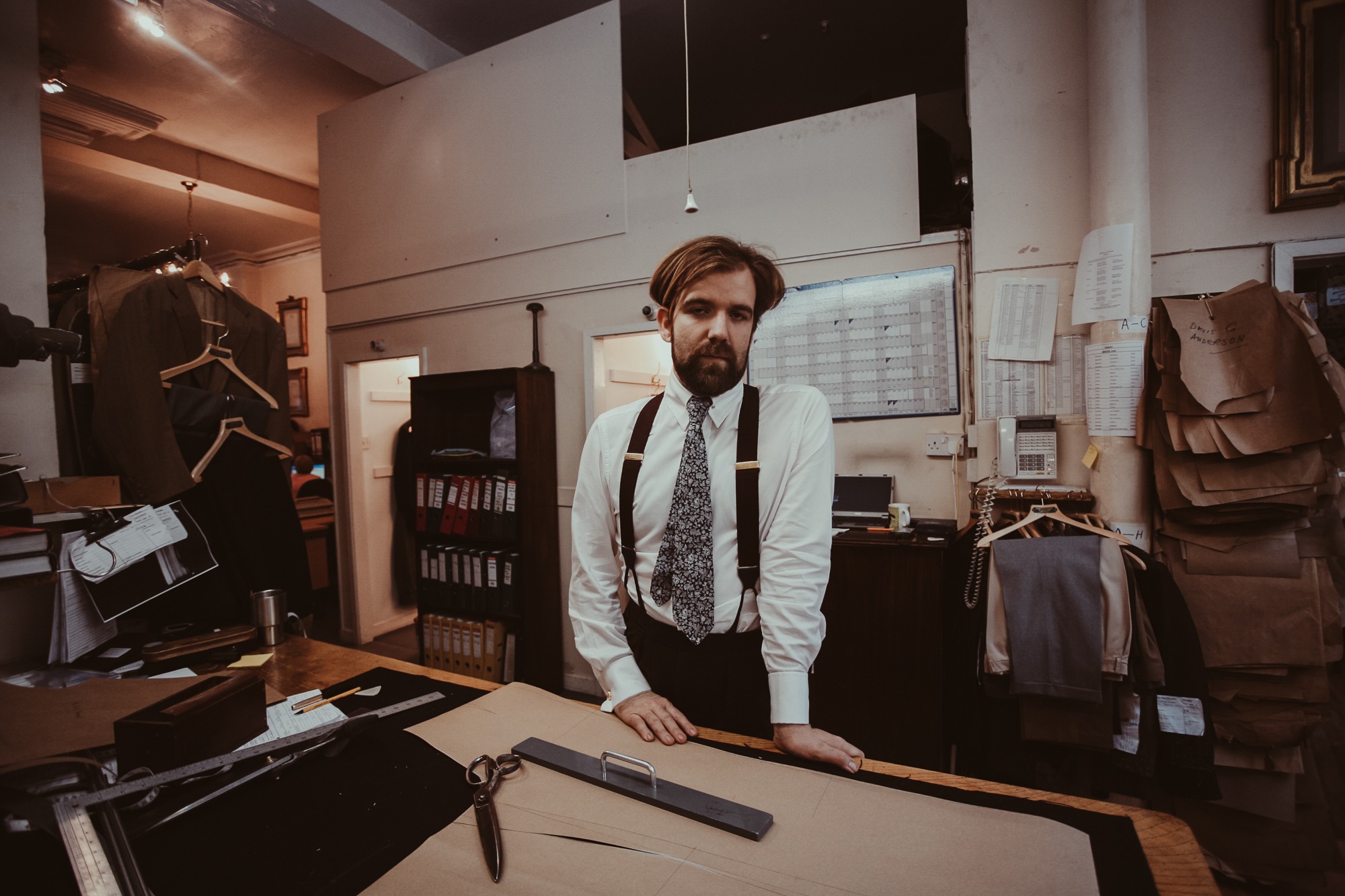
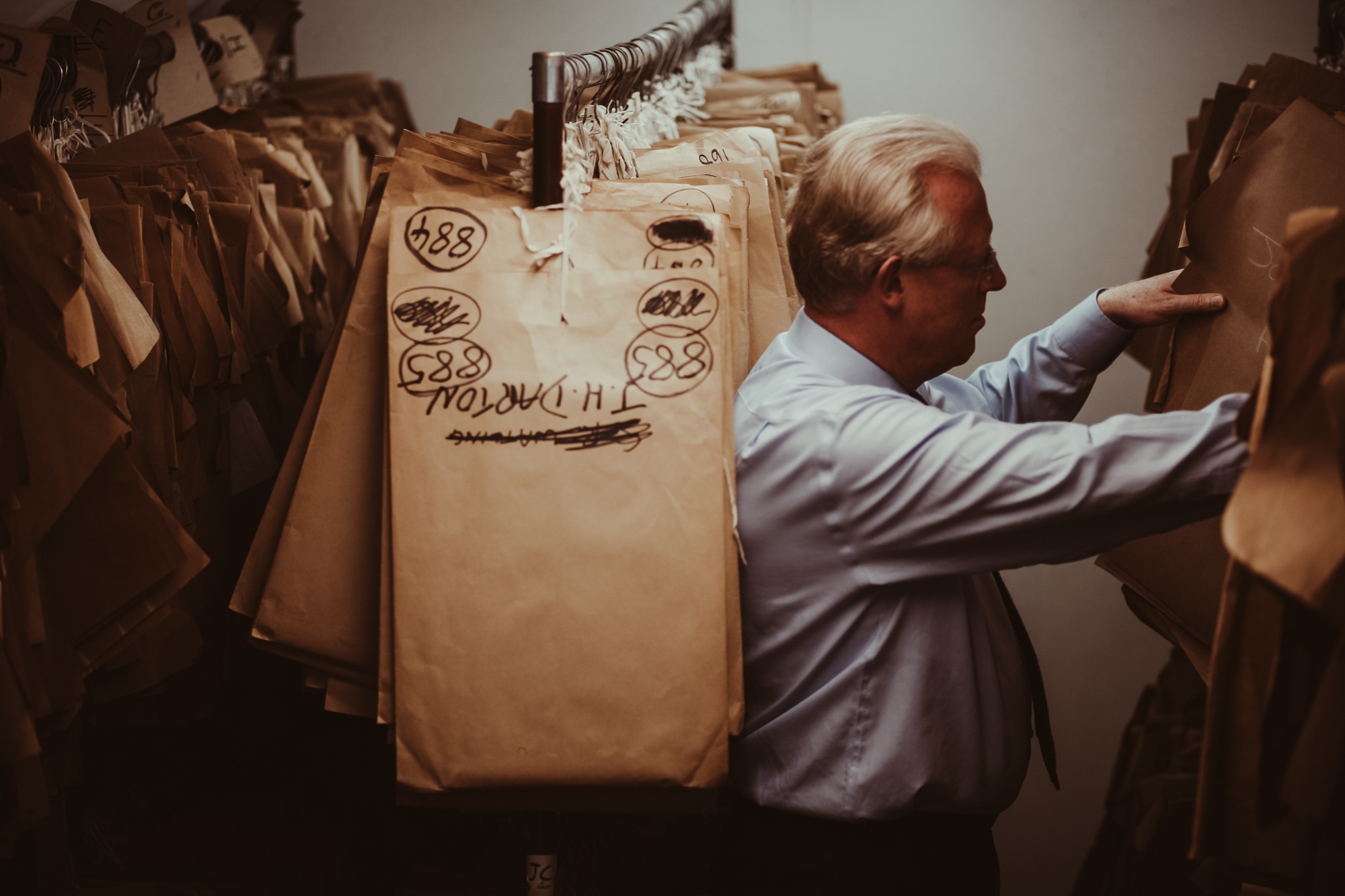
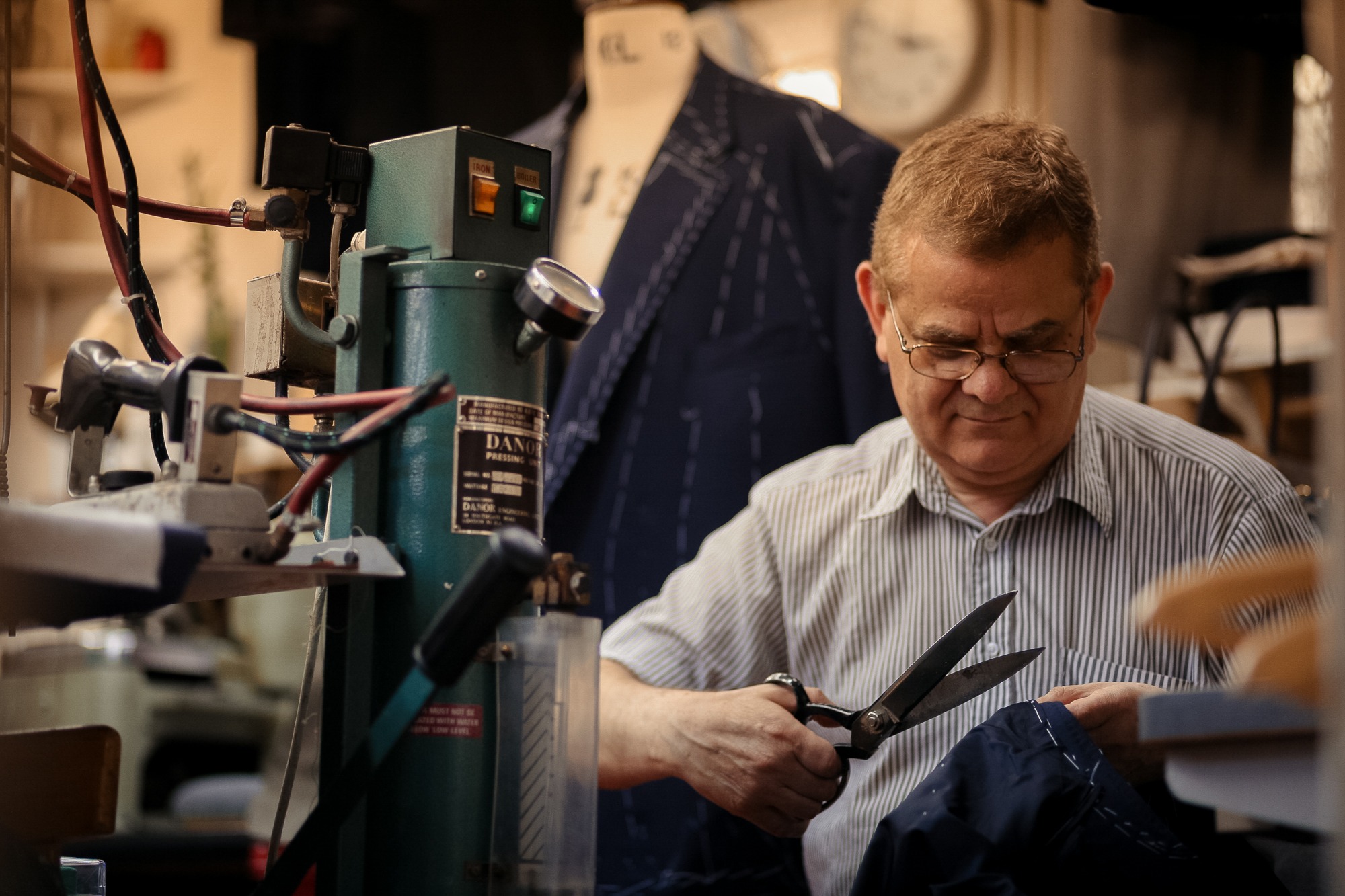
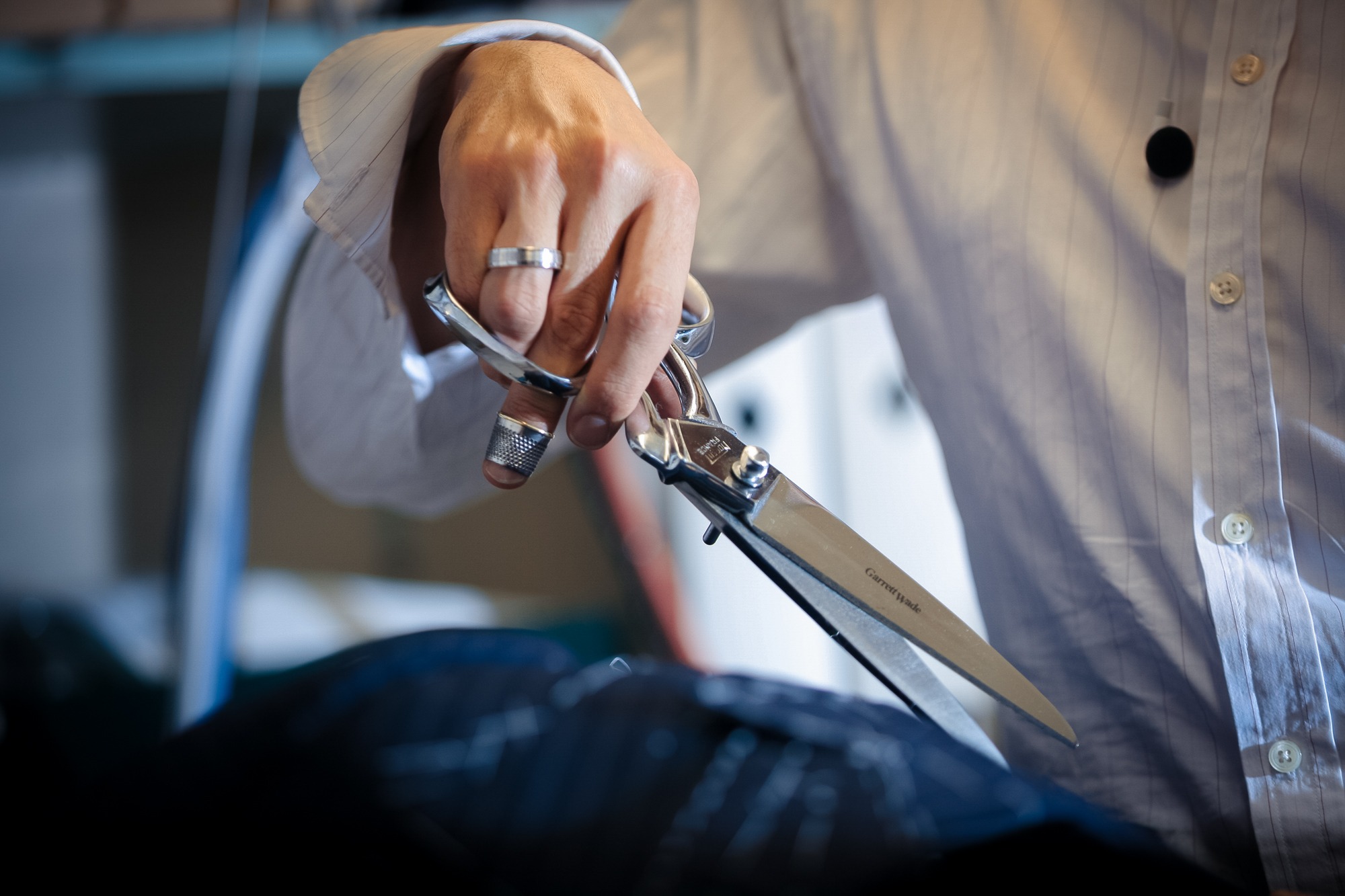
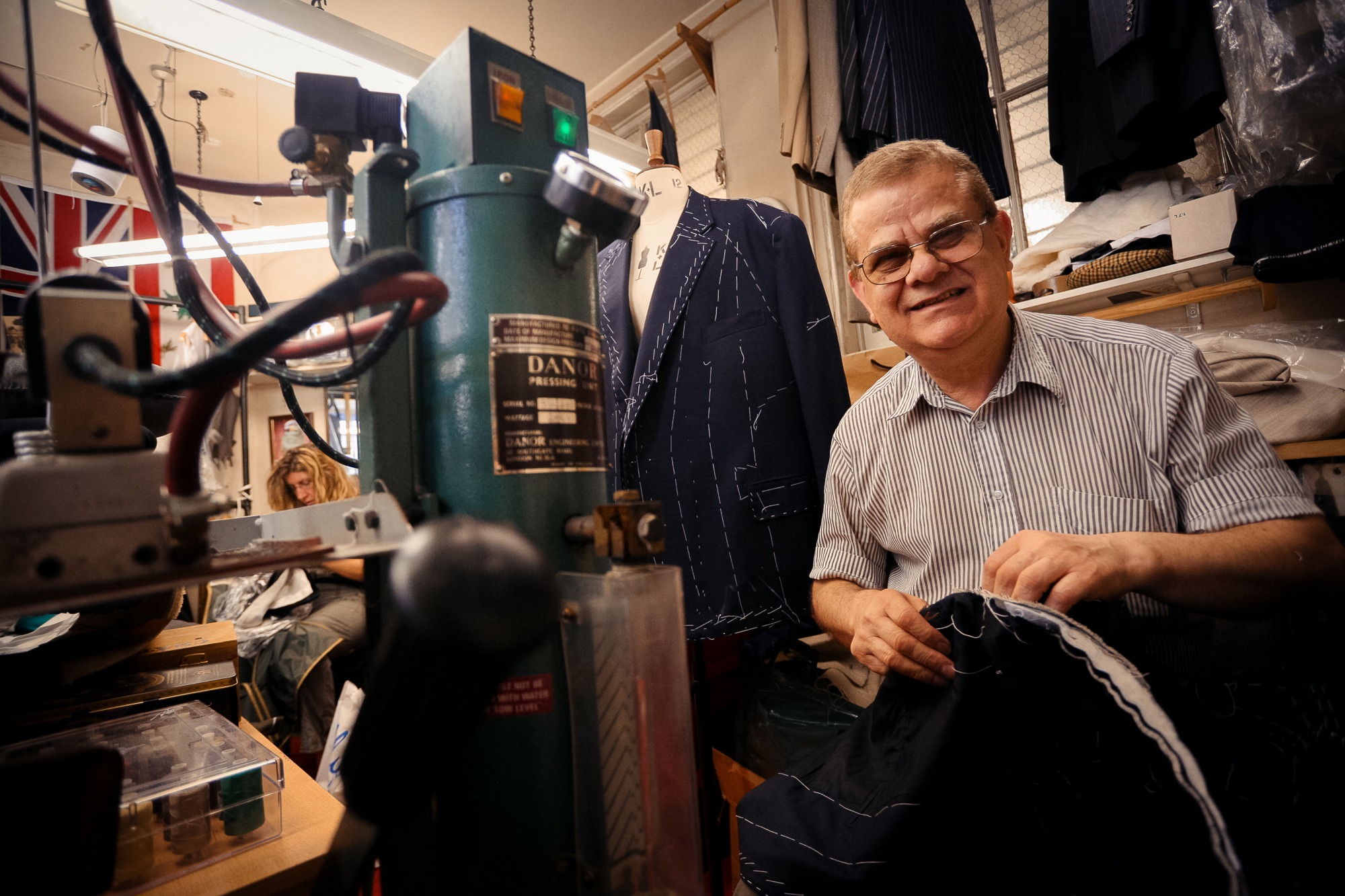
These photographs showcase Henry Poole & Co, the Founding Father of Savile Row (est. 1806) and original creator of the dinner jacket (tuxedo).
The images feature the workrooms, where garments are made entirely by hand, and specific cutter Joshua Byrne at his bench. The cutter's expertise is the most critical part of the bespoke process, as they draft the unique paper pattern for the client before the garment is assembled.
Joshua Byrne cutting at Henry Poole & Co Taylors, Savile Row, London
2006. Photograph by Sophie Laslett, The Times
Joshua Byrne cutting at Henry Poole & Co Taylors, Savile Row, London
2006. Photograph by Sophie Laslett, The Times
Work underway at Henry Poole & Co Taylors, Savile Row, London
2006. Photograph by Sophie Laslett, The Times
Work underway at Henry Poole & Co Taylors, Savile Row, London
2006. Photograph by Sophie Laslett, The Times
Work underway at Henry Poole & Co Taylors, Savile Row, London
2006. Photograph by Sophie Laslett, The Times
Work underway at Henry Poole & Co Taylors, Savile Row, London
2006. Photograph by Sophie Laslett, The Times
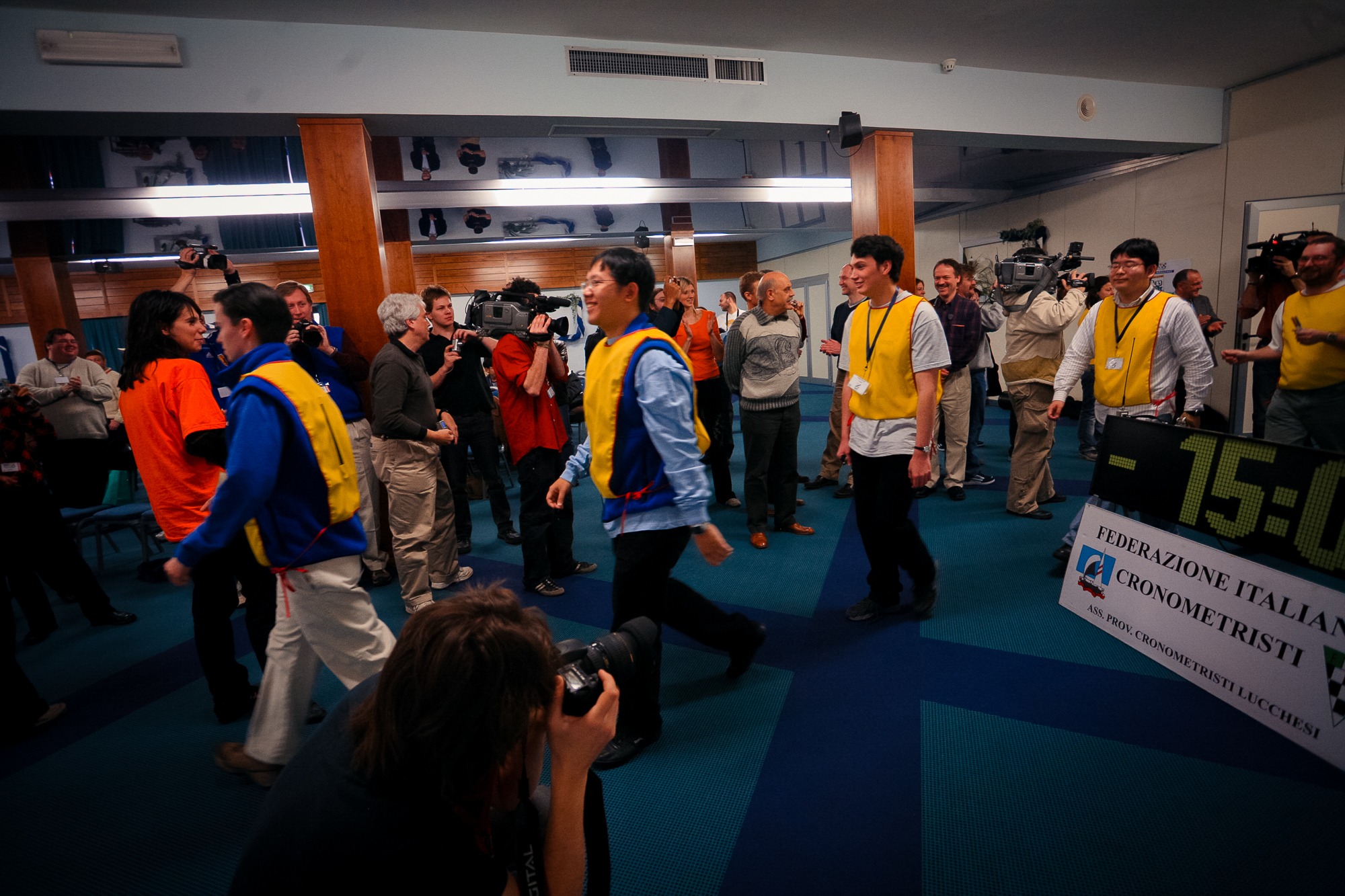
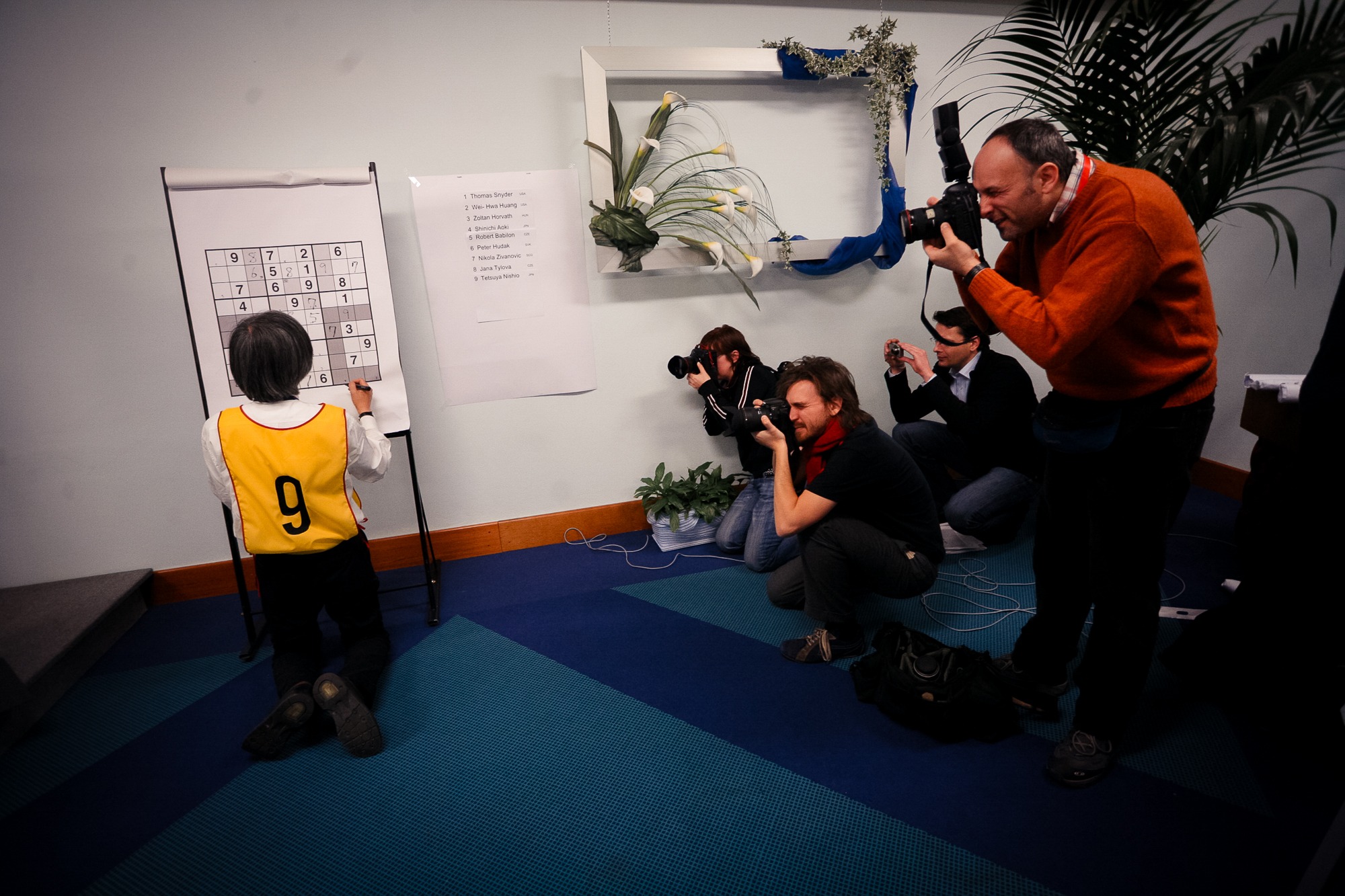
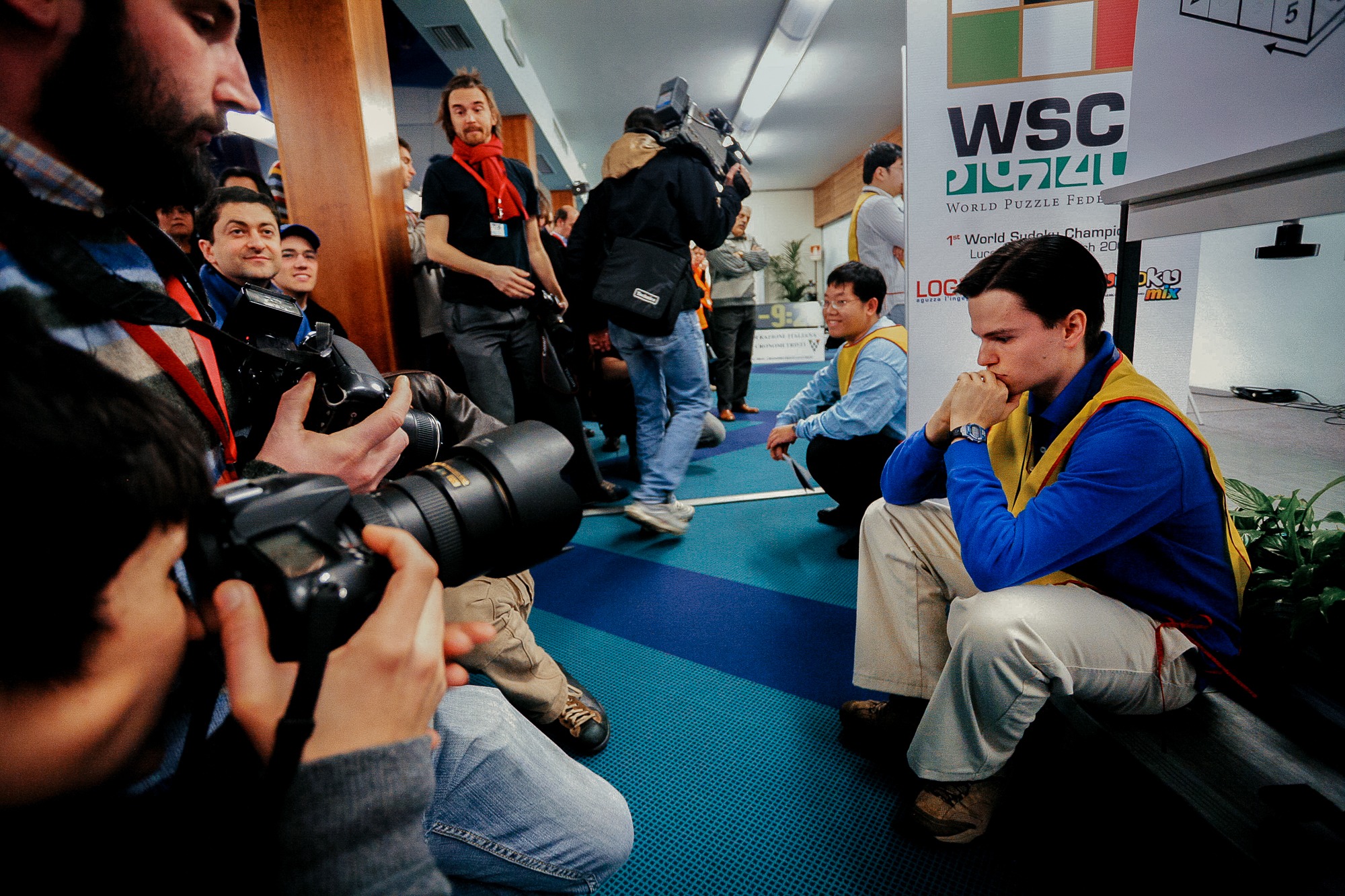
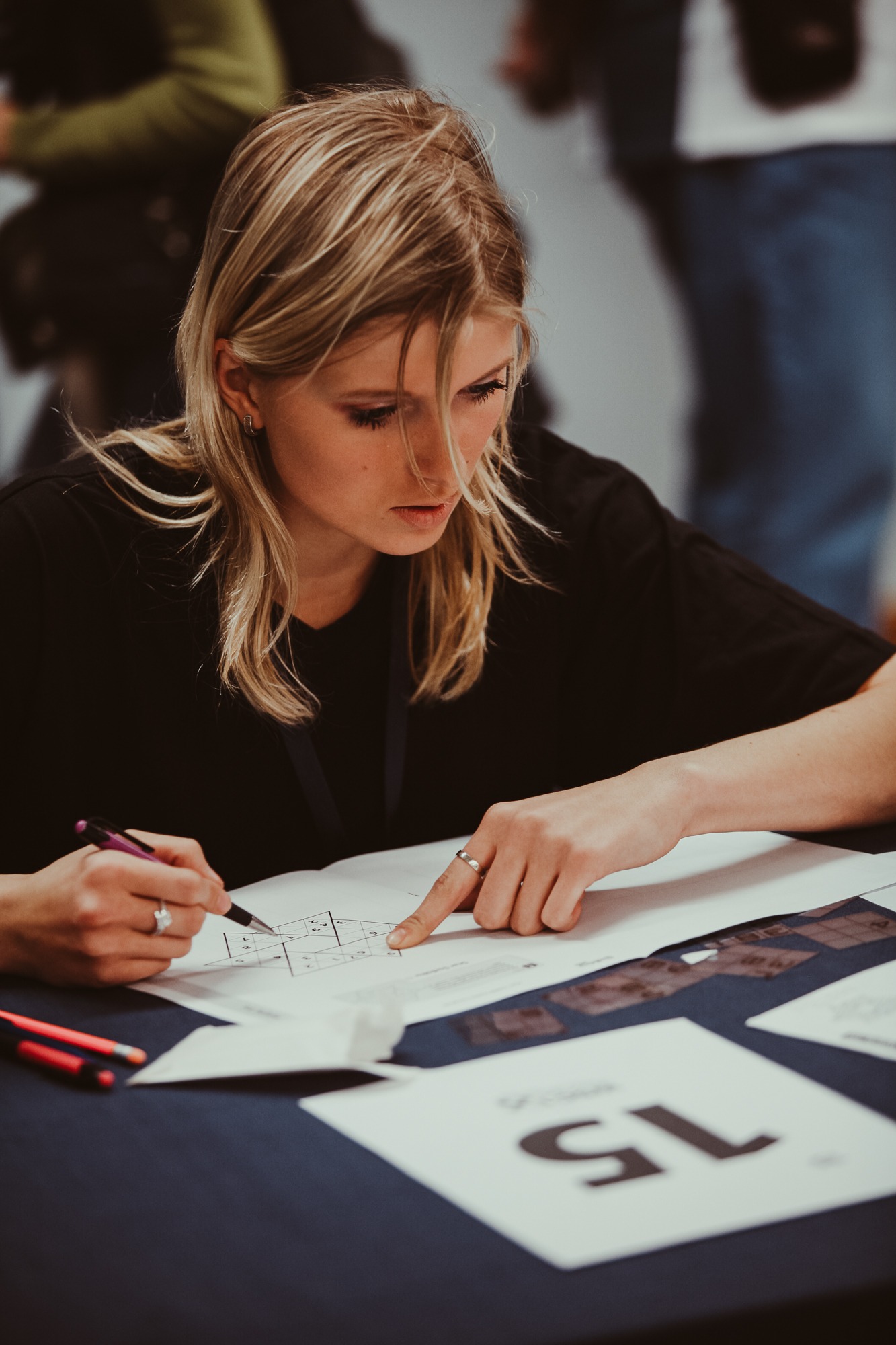
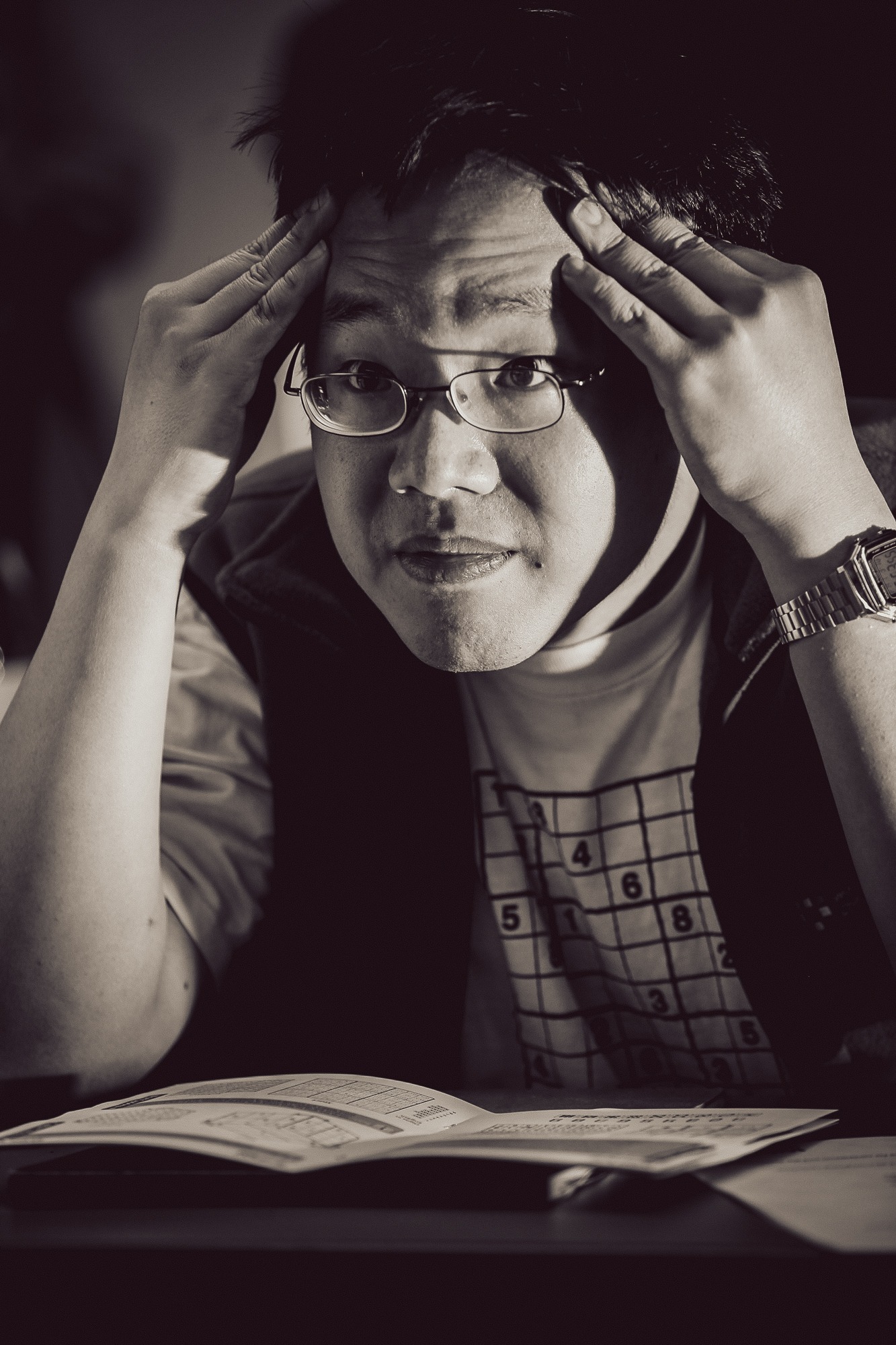
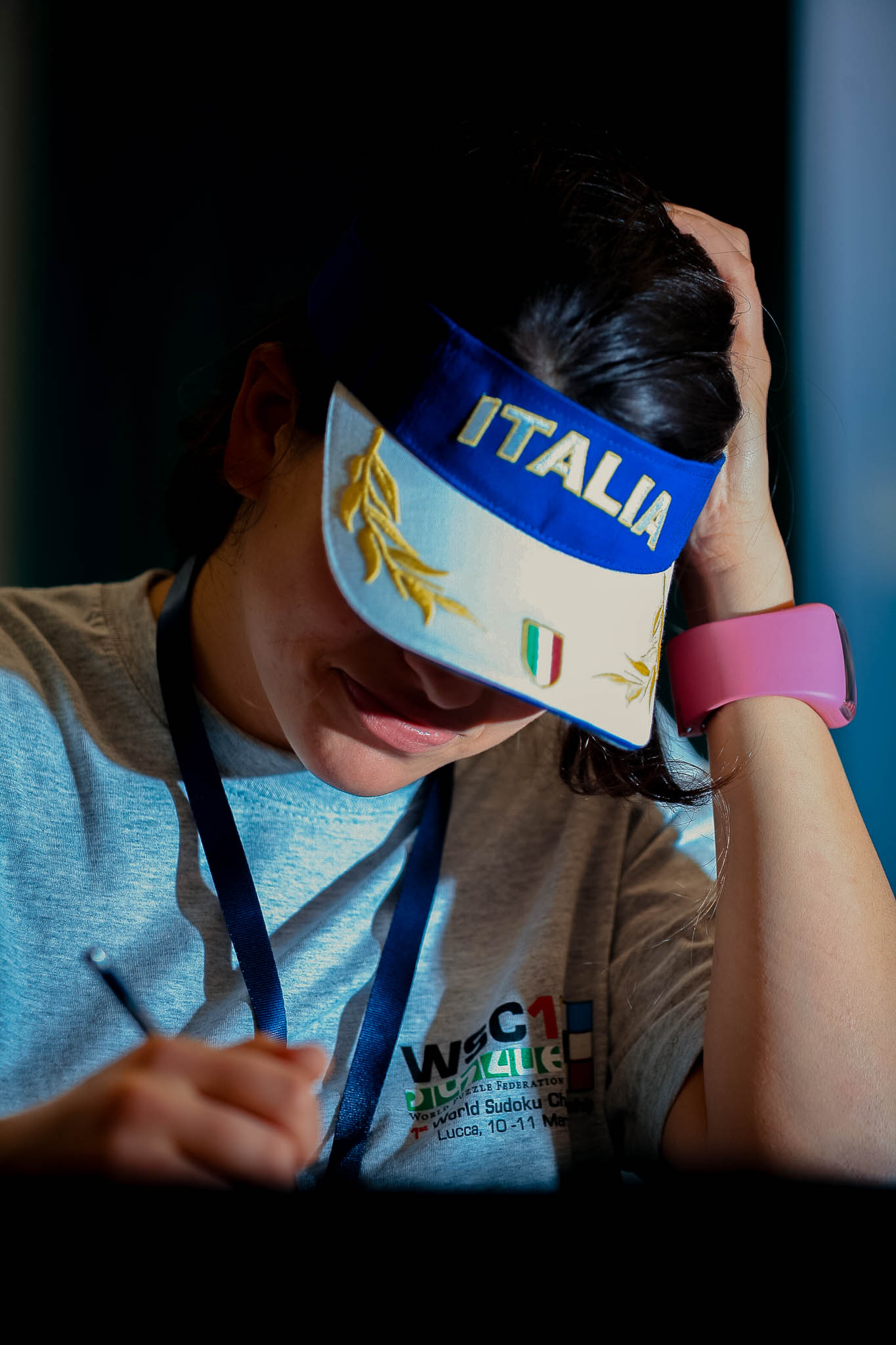
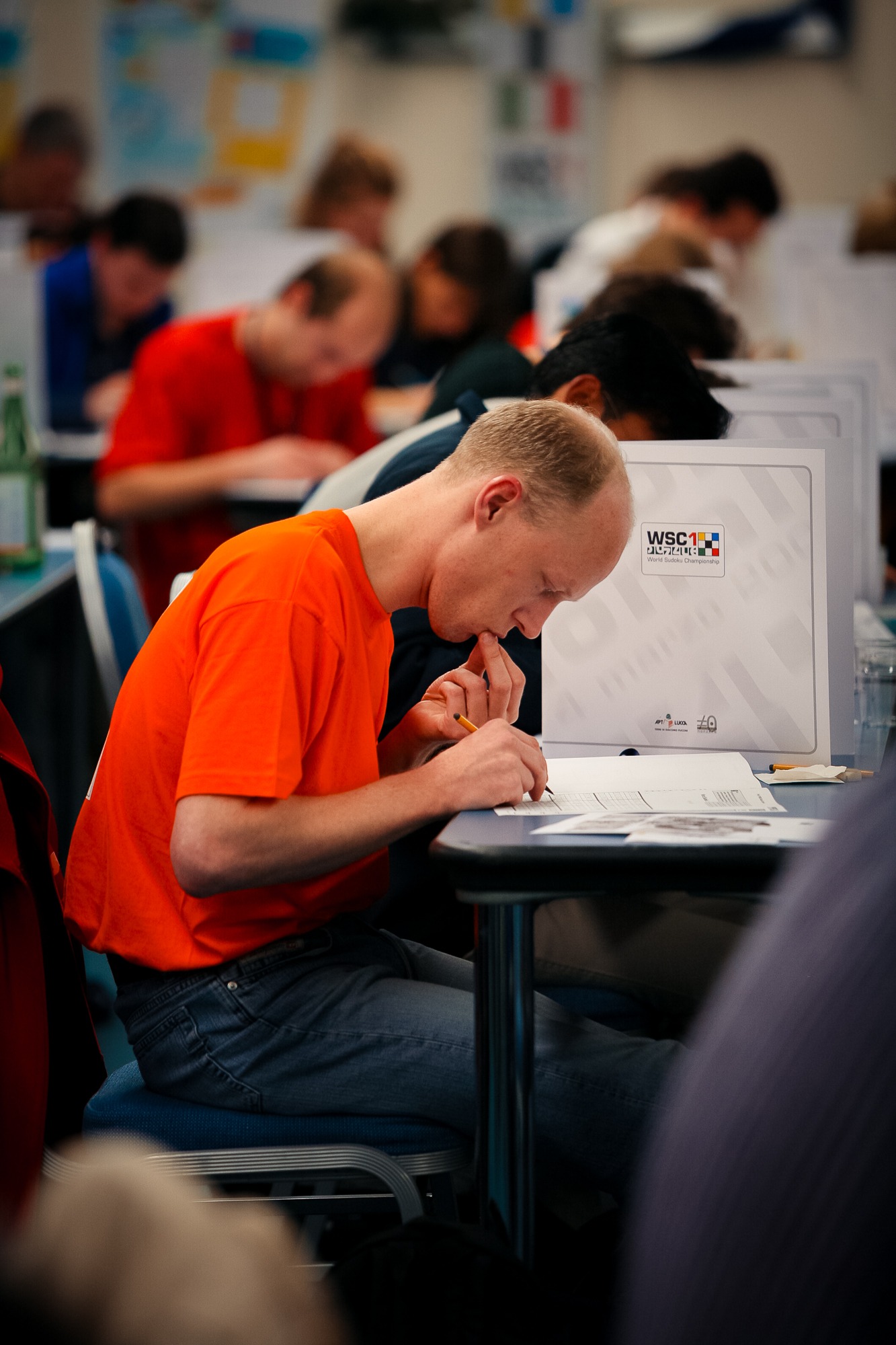
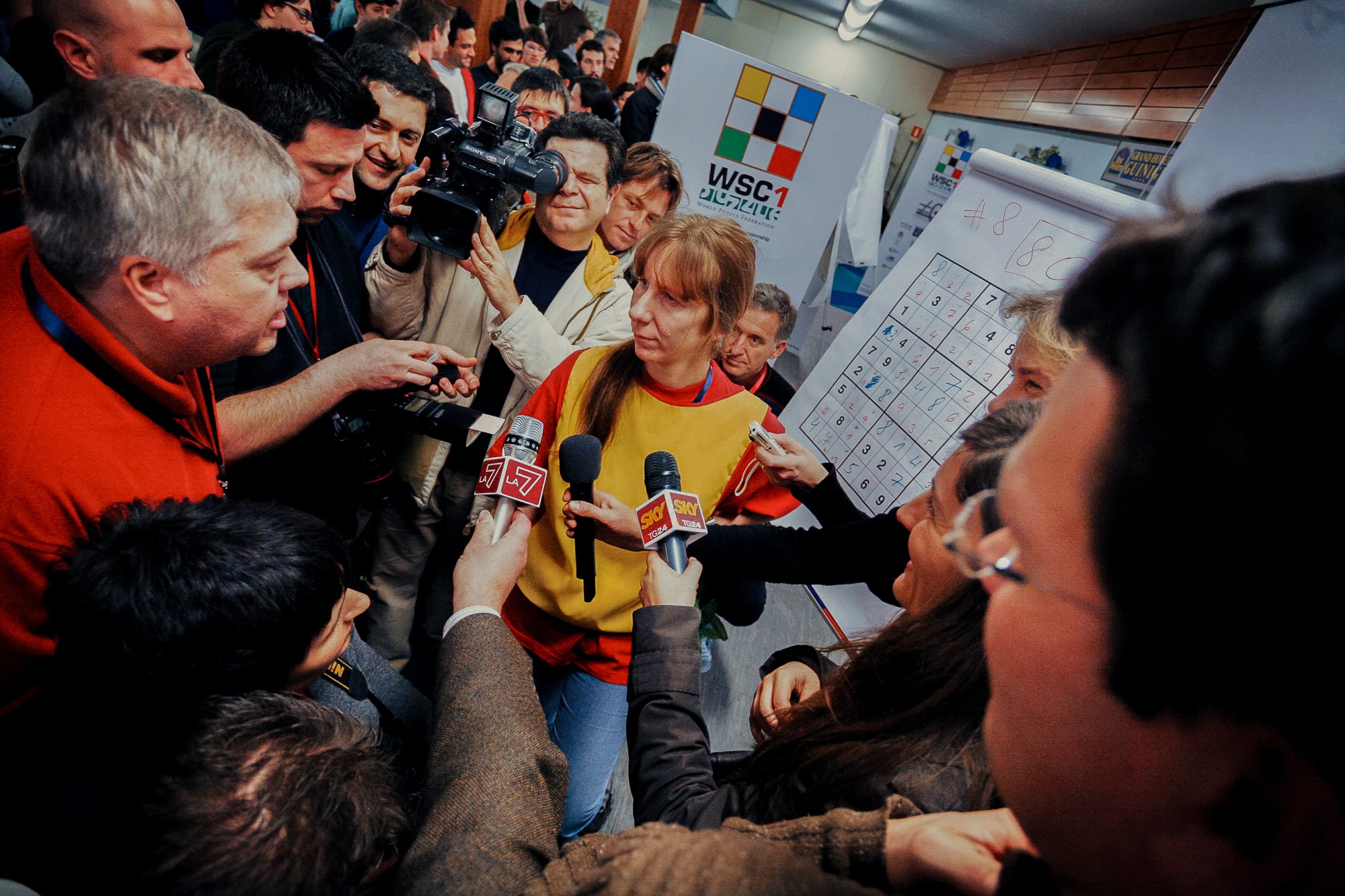
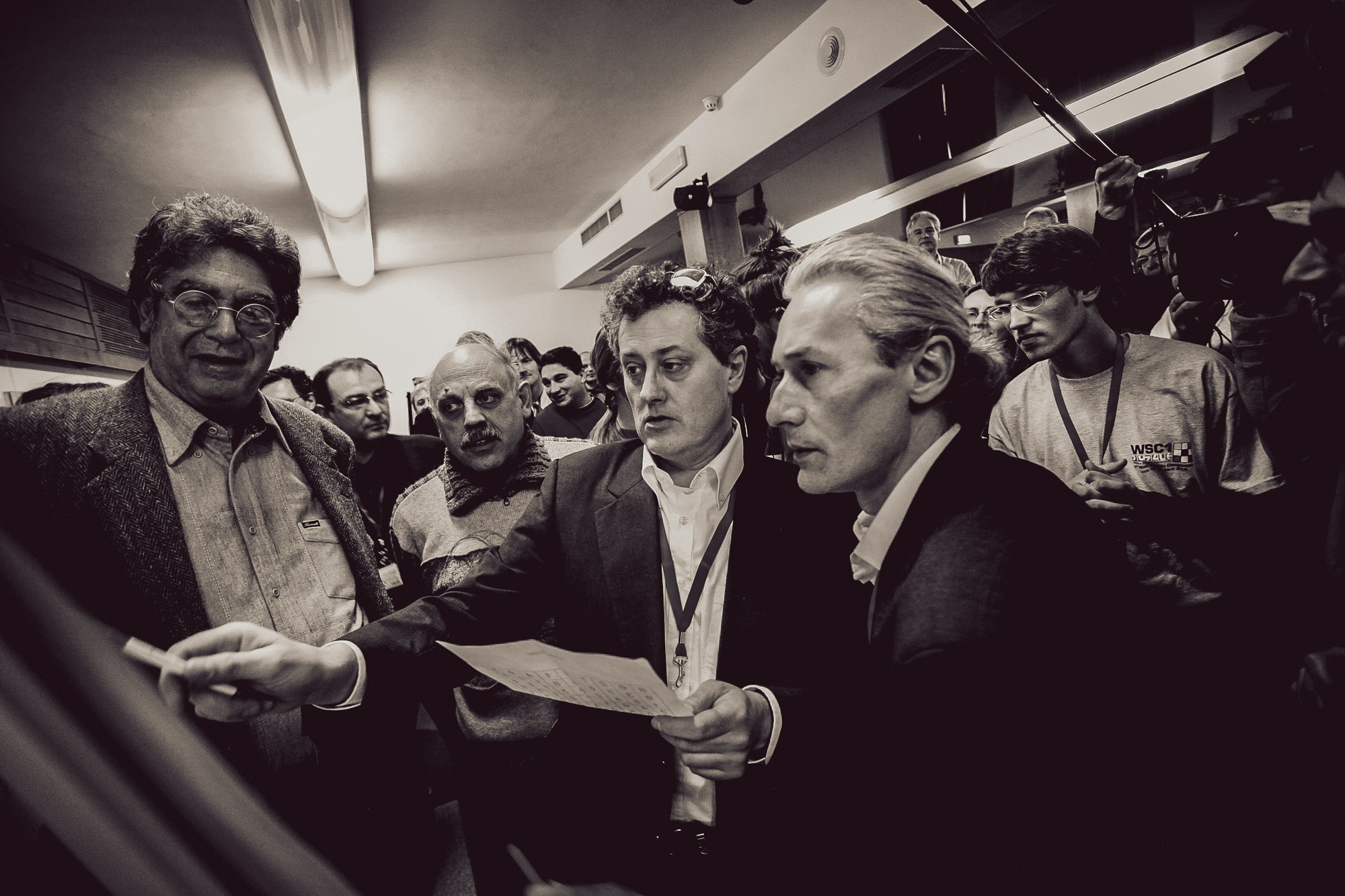
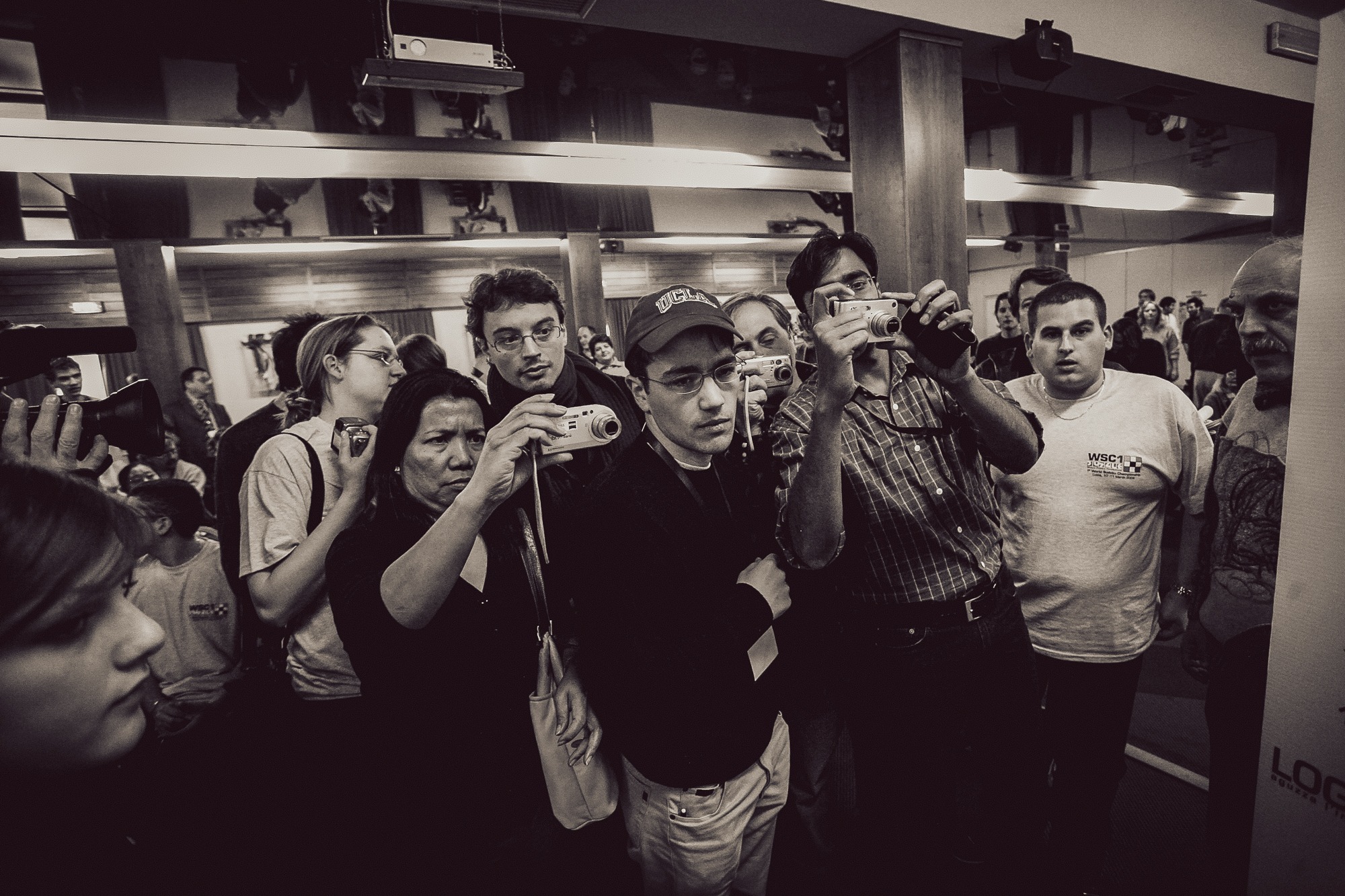
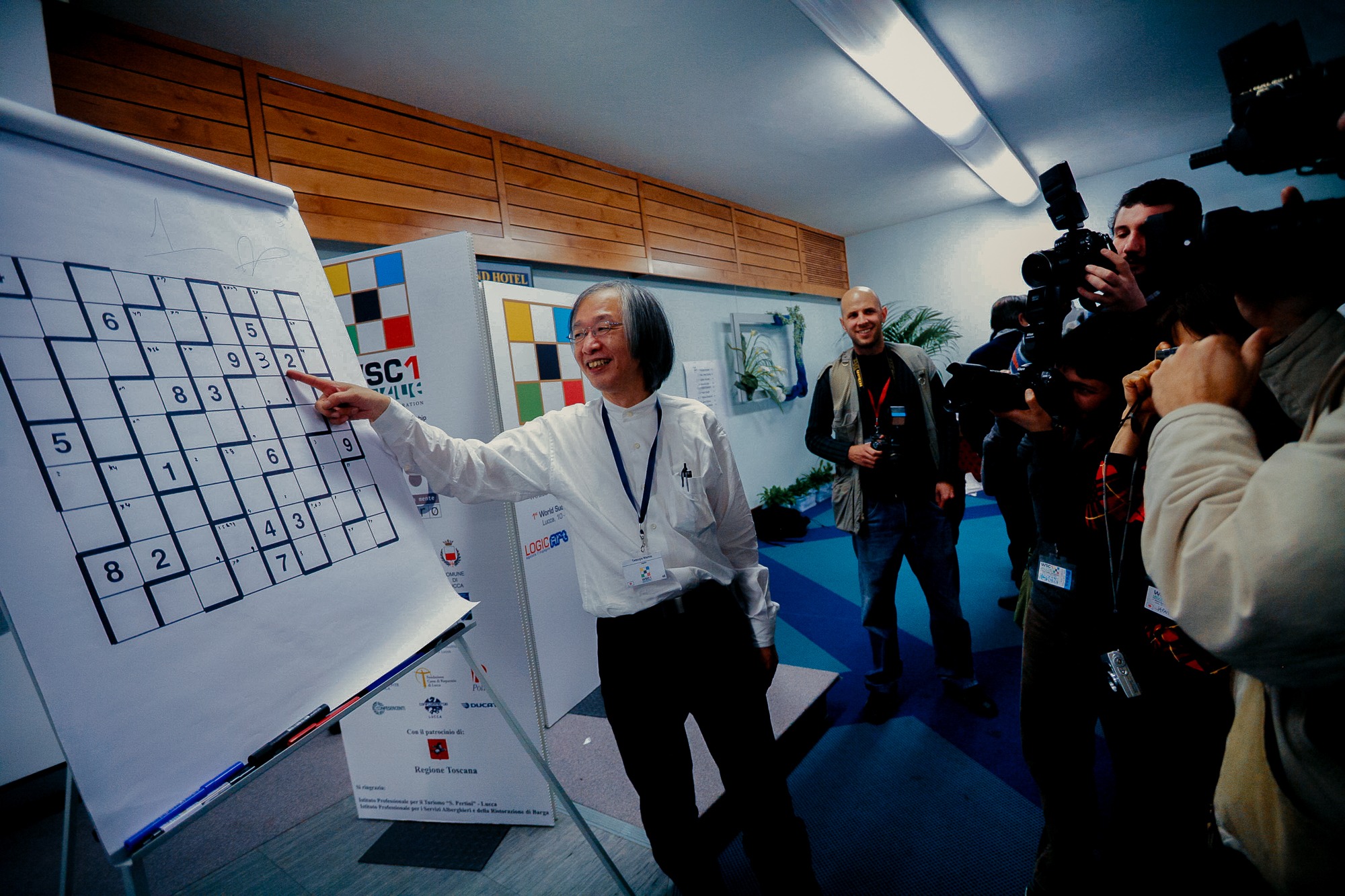
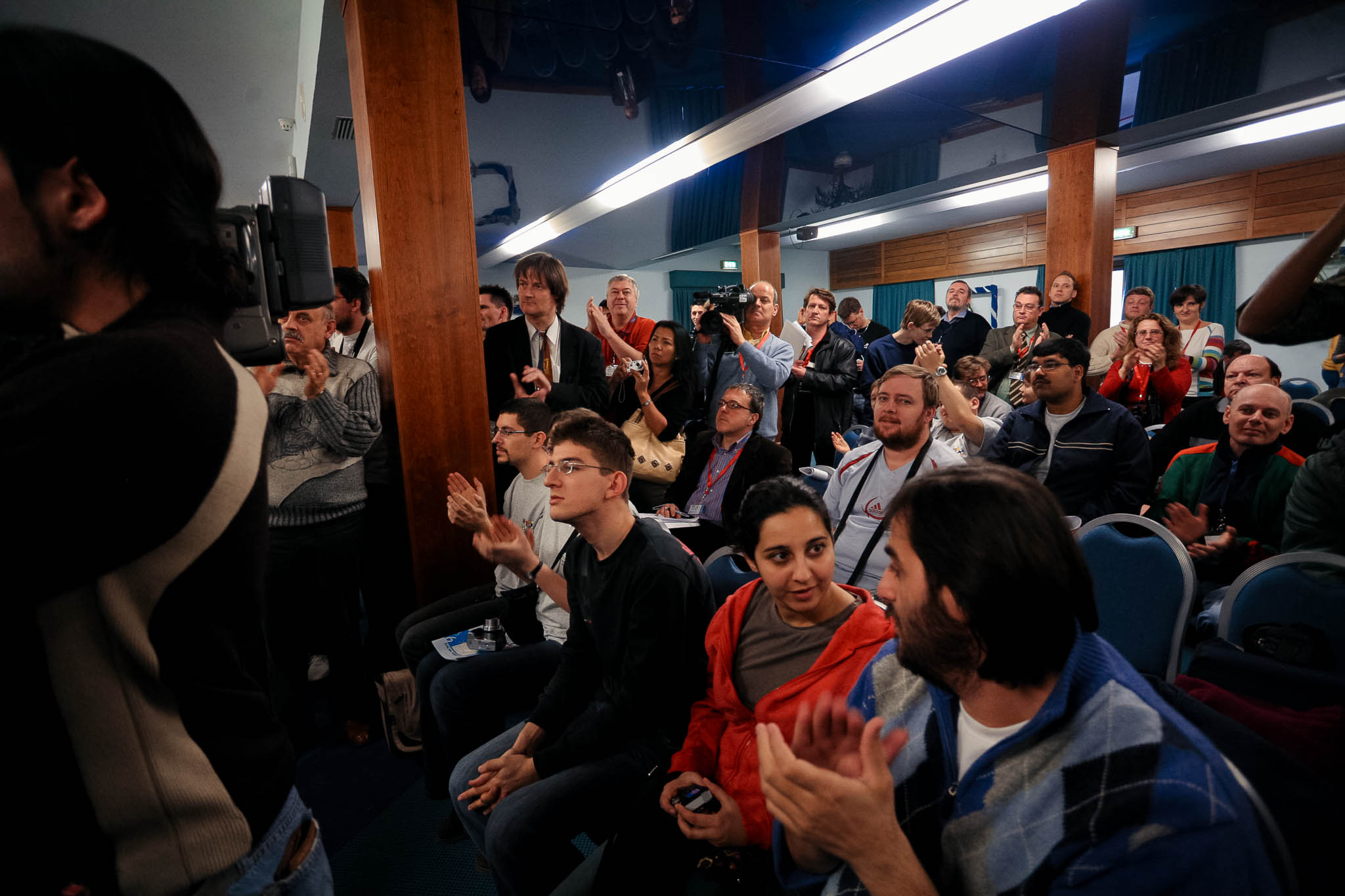
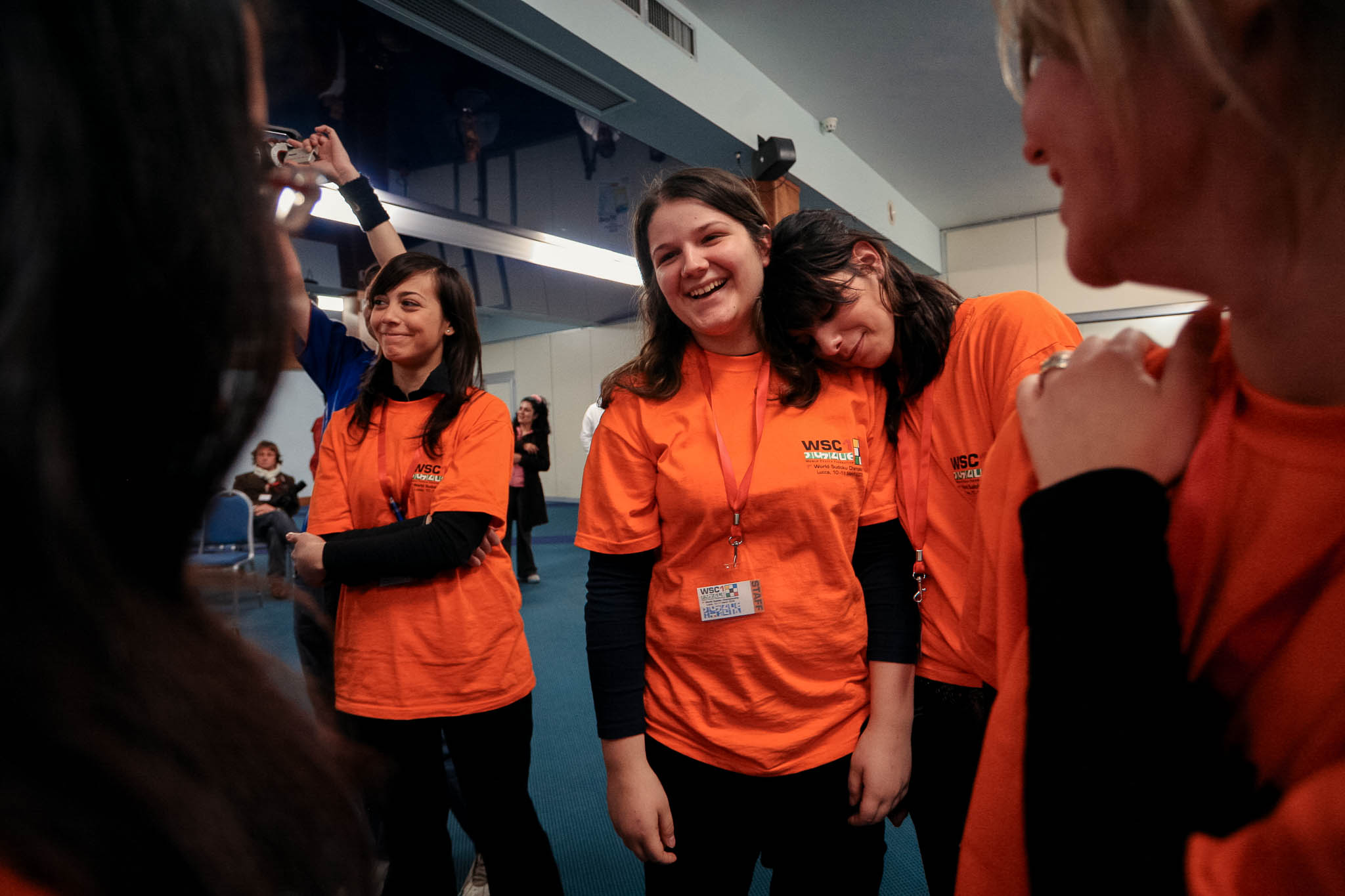
The inaugural World Sudoku Championship, hosted by the World Puzzle Federation (WPF), took place in Lucca, Italy, in 2006, drawing Sudoku masters from around the globe for the two-day event. Among the featured international competitors were Wei-Hwa Huang (30yrs) from the United States and Vendula Sichova (21yrs) from the Czech Republic. The competition concluded with the Czech Republic securing the victory, as Jana Tylova became the first-ever World Sudoku Champion.
Worldwide contestants compete in the World Sudoku Championship, held in Lucca, Italy. The World Puzzle Federation hosts the event in which Sudoku masters from all over the world compete over two days to find the World Champion
2006. Photograph by Sophie Laslett, The Times
Worldwide contestants compete in the World Sudoku Championship, held in Lucca, Italy. The World Puzzle Federation hosts the event in which Sudoku masters from all over the world compete over two days to find the World Champion
2006. Photograph by Sophie Laslett, The Times
Worldwide contestants compete in the World Sudoku Championship, held in Lucca, Italy. The World Puzzle Federation hosts the event in which Sudoku masters from all over the world compete over two days to find the World Champion
Vendula Sichova (21yrs) from the Czech Republic competing in the World Sudoku Championship, held in Lucca, Italy. The World Puzzle Federation hosts the event in which Sudoku masters from all over the world compete over two days to find the World Champion
2006. Photograph by Sophie Laslett, The Times
Wei-Hwa Huang (30yrs) from America competing in the World Sudoku Championship, held in Lucca, Italy. The World Puzzle Federation hosts the event in which Sudoku masters from all over the world compete over two days to find the World Champion.
2006. Photograph by Sophie Laslett, The Times
Worldwide contestants compete in the World Sudoku Championship, held in Lucca, Italy. The World Puzzle Federation hosts the event in which Sudoku masters from all over the world compete over two days to find the World Champion
Worldwide contestants compete in the World Sudoku Championship, held in Lucca, Italy. The World Puzzle Federation hosts the event in which Sudoku masters from all over the world compete over two days to find the World Champion
2006. Photograph by Sophie Laslett, The Times
Jana Tylova from the Czech Republic wins the World Sudoku Championship, held in Lucca, Italy. The World Puzzle Federation hosted the two day event in which Sudoku masters from all over the world competed to find the World Champion.
Worldwide contestants compete in the World Sudoku Championship, held in Lucca, Italy. The World Puzzle Federation hosts the event in which Sudoku masters from all over the world compete over two days to find the World Champion
Worldwide contestants compete in the World Sudoku Championship, held in Lucca, Italy. The World Puzzle Federation hosts the event in which Sudoku masters from all over the world compete over two days to find the World Champion
Worldwide contestants compete in the World Sudoku Championship, held in Lucca, Italy. The World Puzzle Federation hosts the event in which Sudoku masters from all over the world compete over two days to find the World Champion
Worldwide contestants compete in the World Sudoku Championship, held in Lucca, Italy. The World Puzzle Federation hosts the event in which Sudoku masters from all over the world compete over two days to find the World Champion
Worldwide contestants compete in the World Sudoku Championship, held in Lucca, Italy. The World Puzzle Federation hosts the event in which Sudoku masters from all over the world compete over two days to find the World Champion
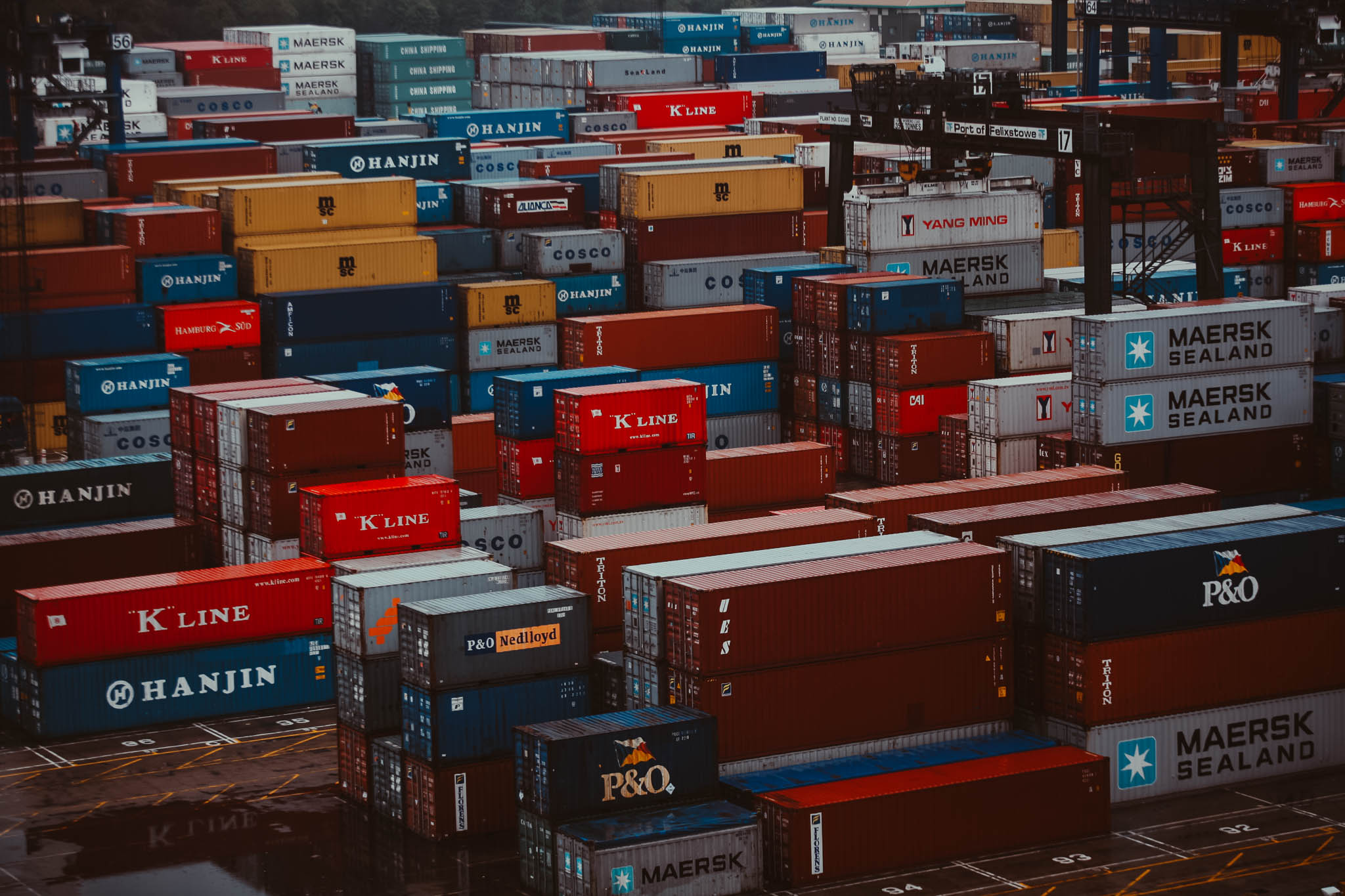
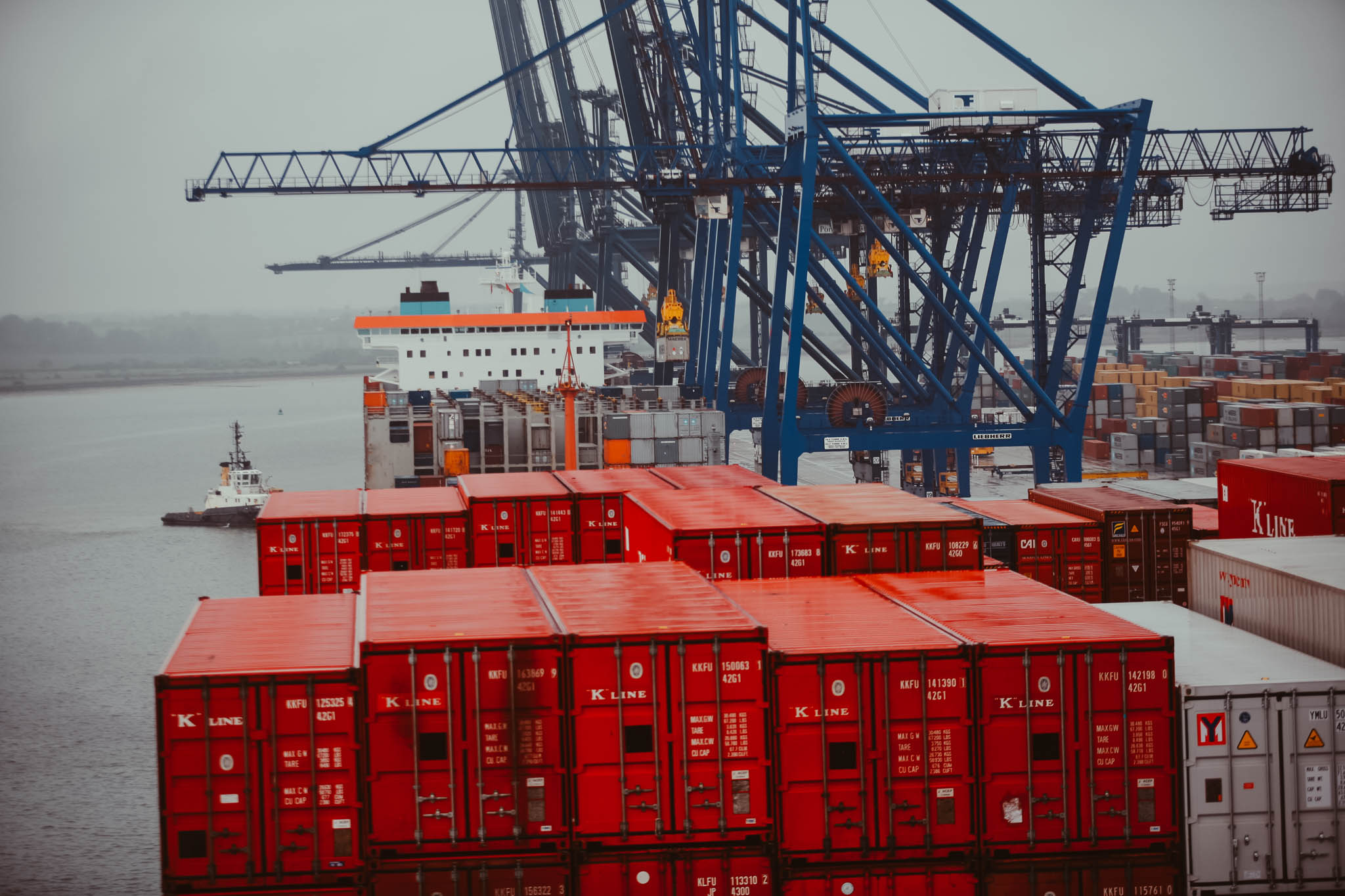
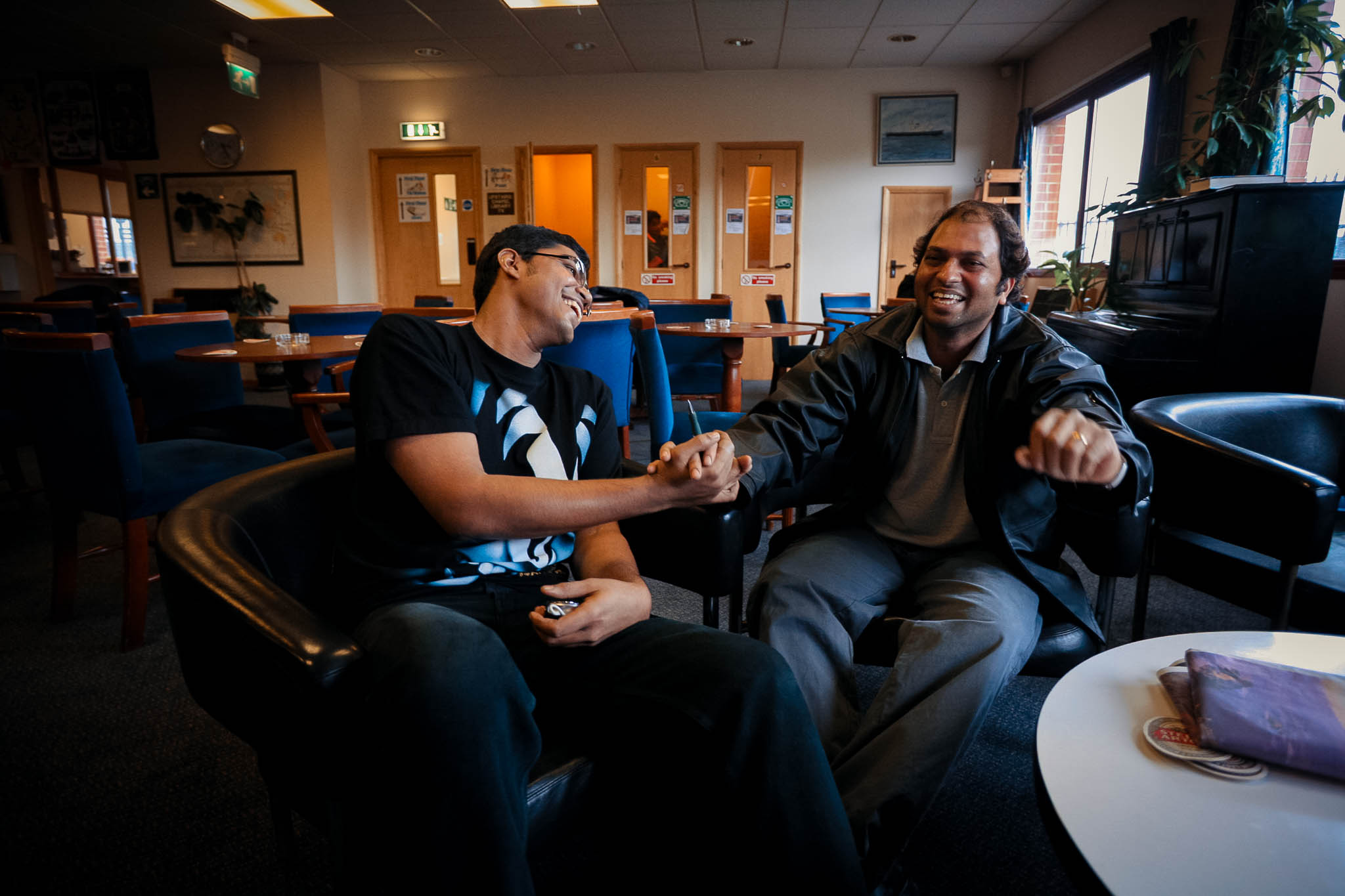
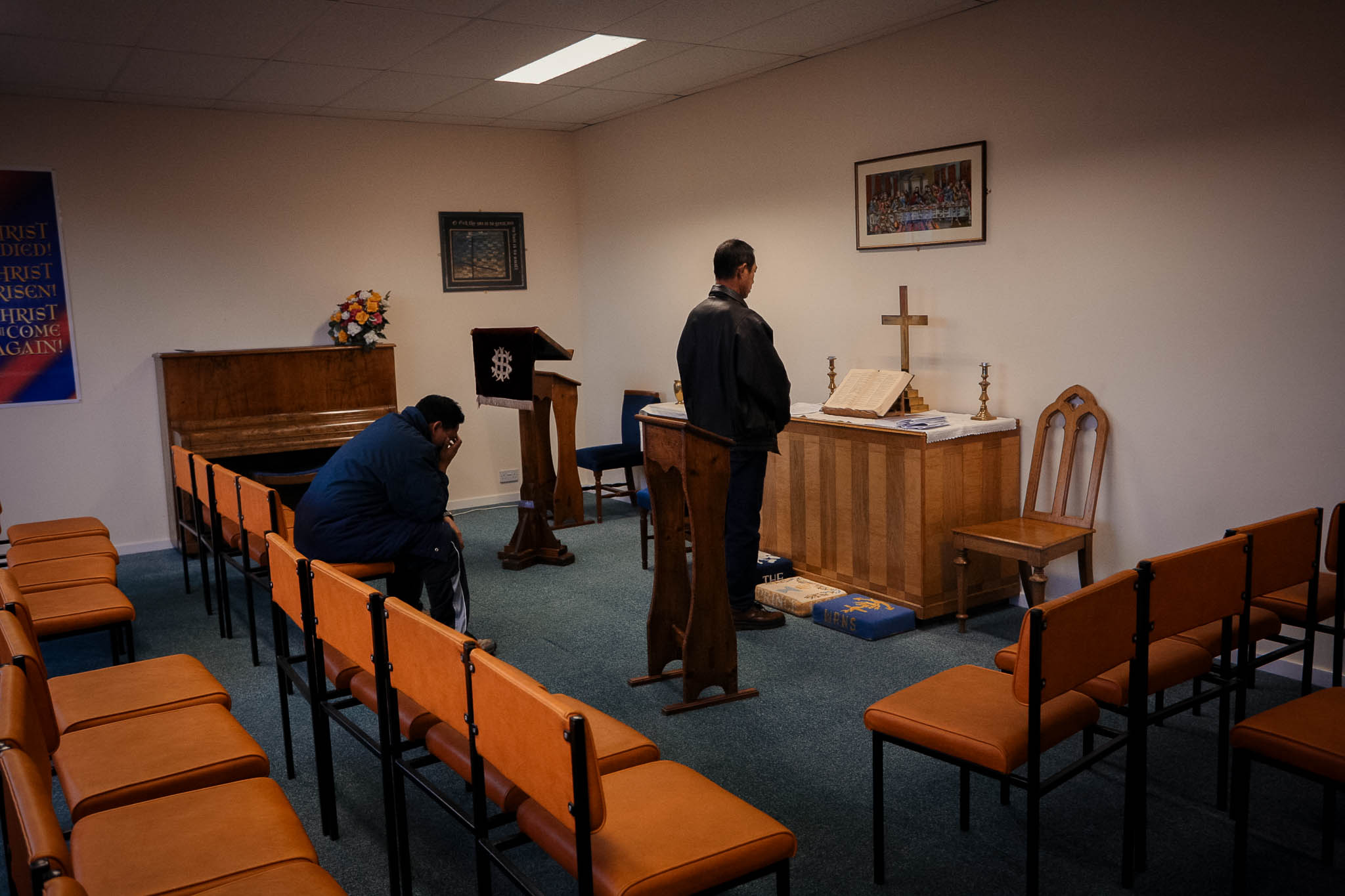
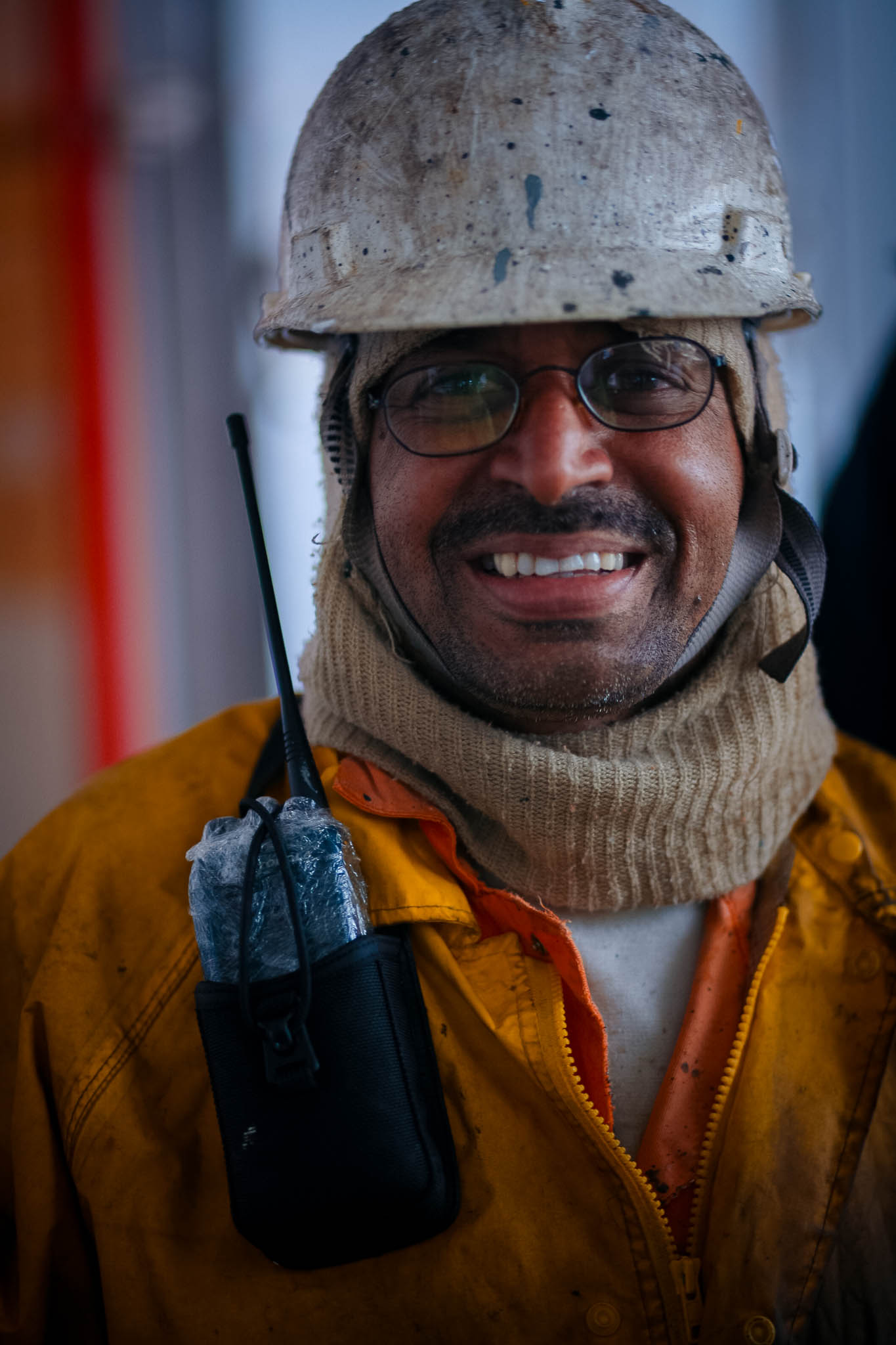
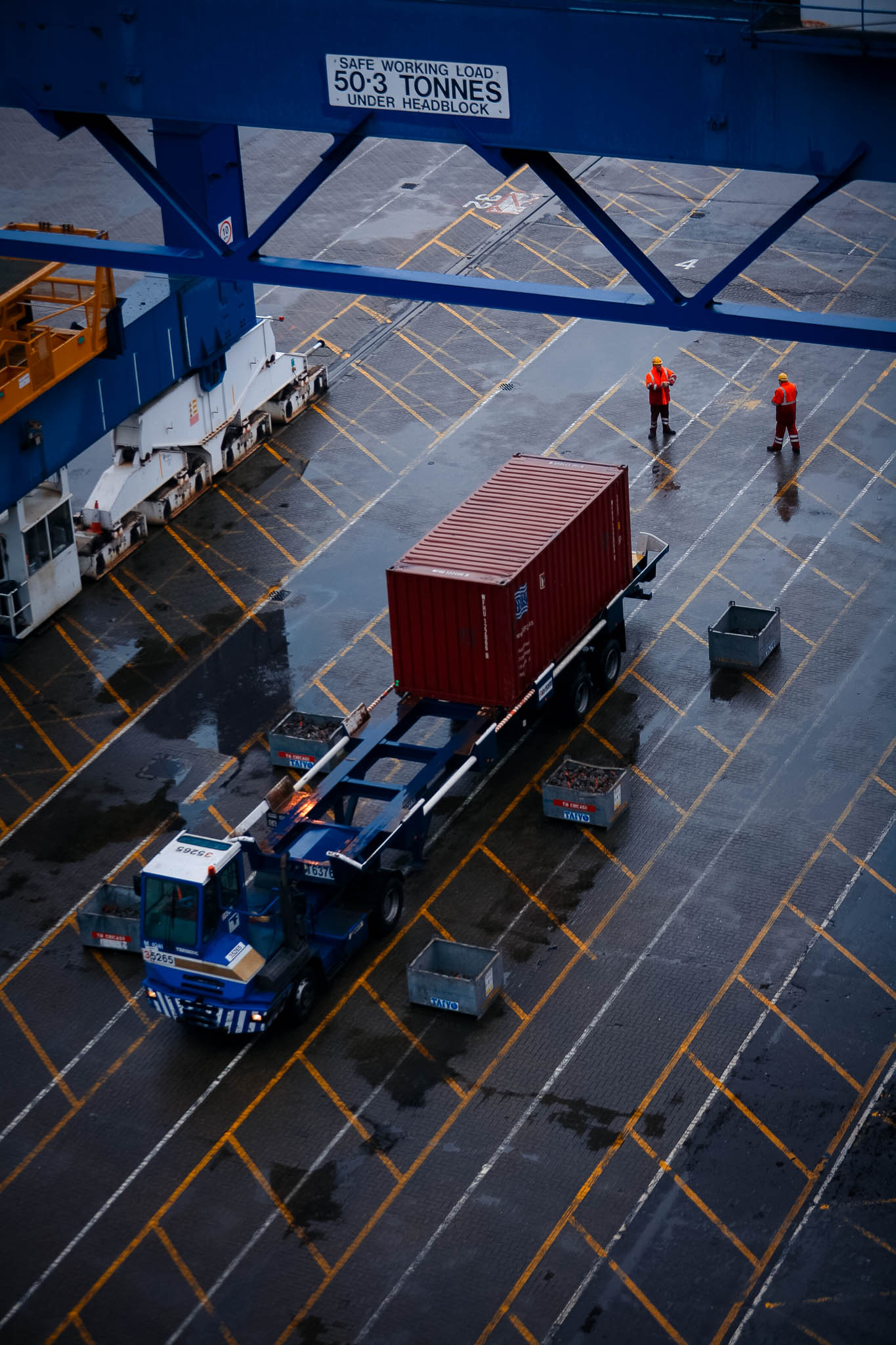
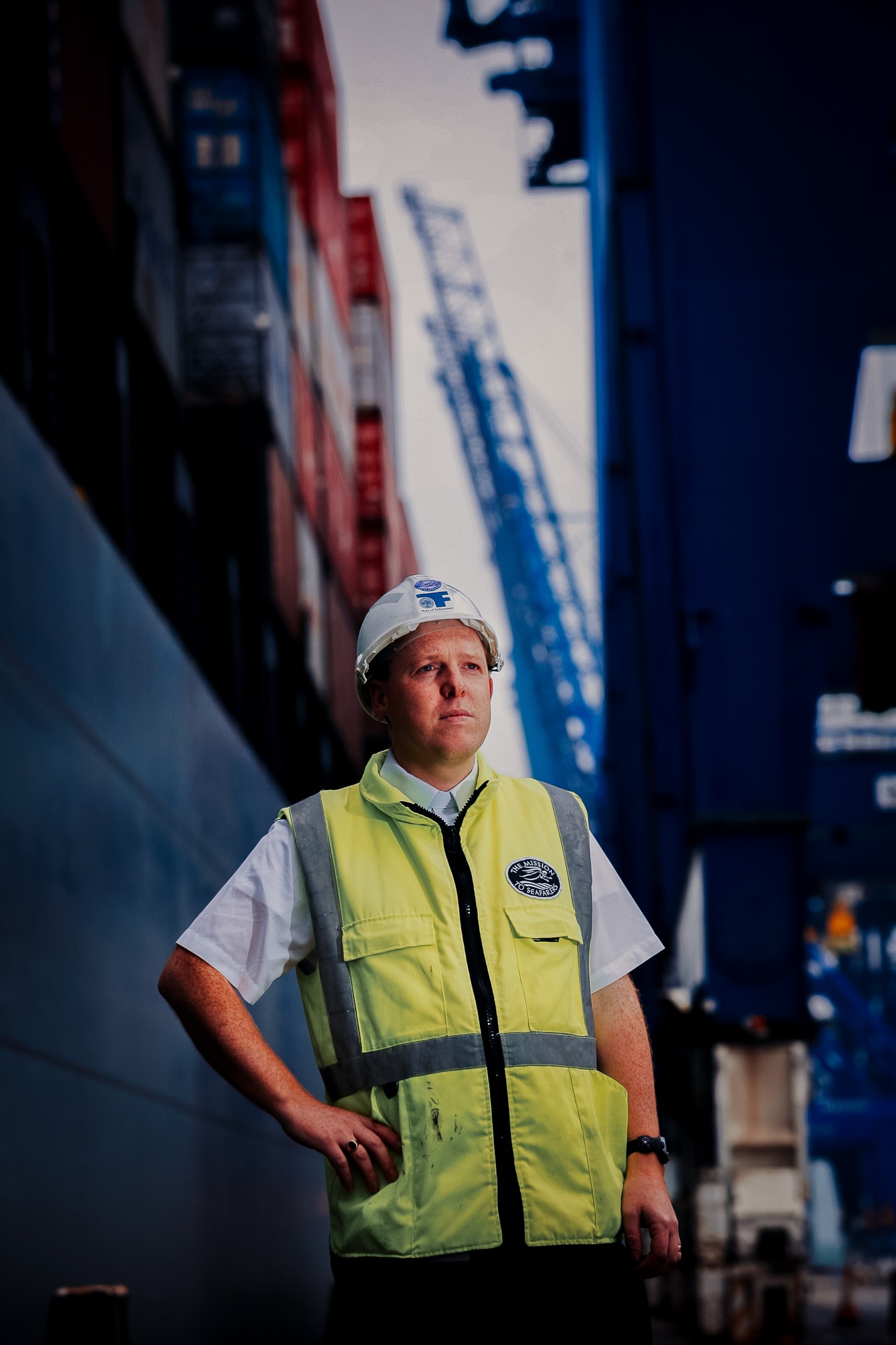
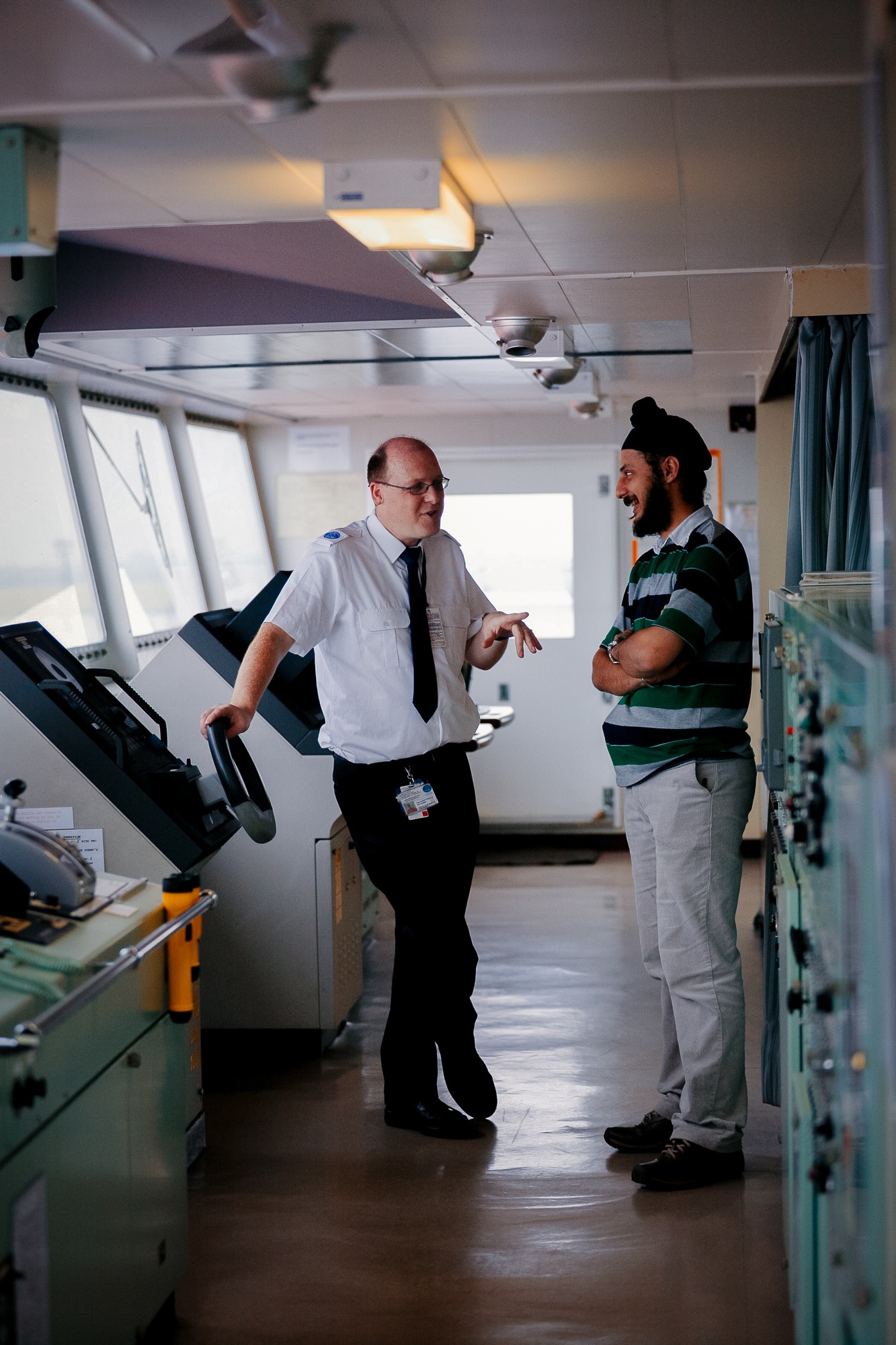
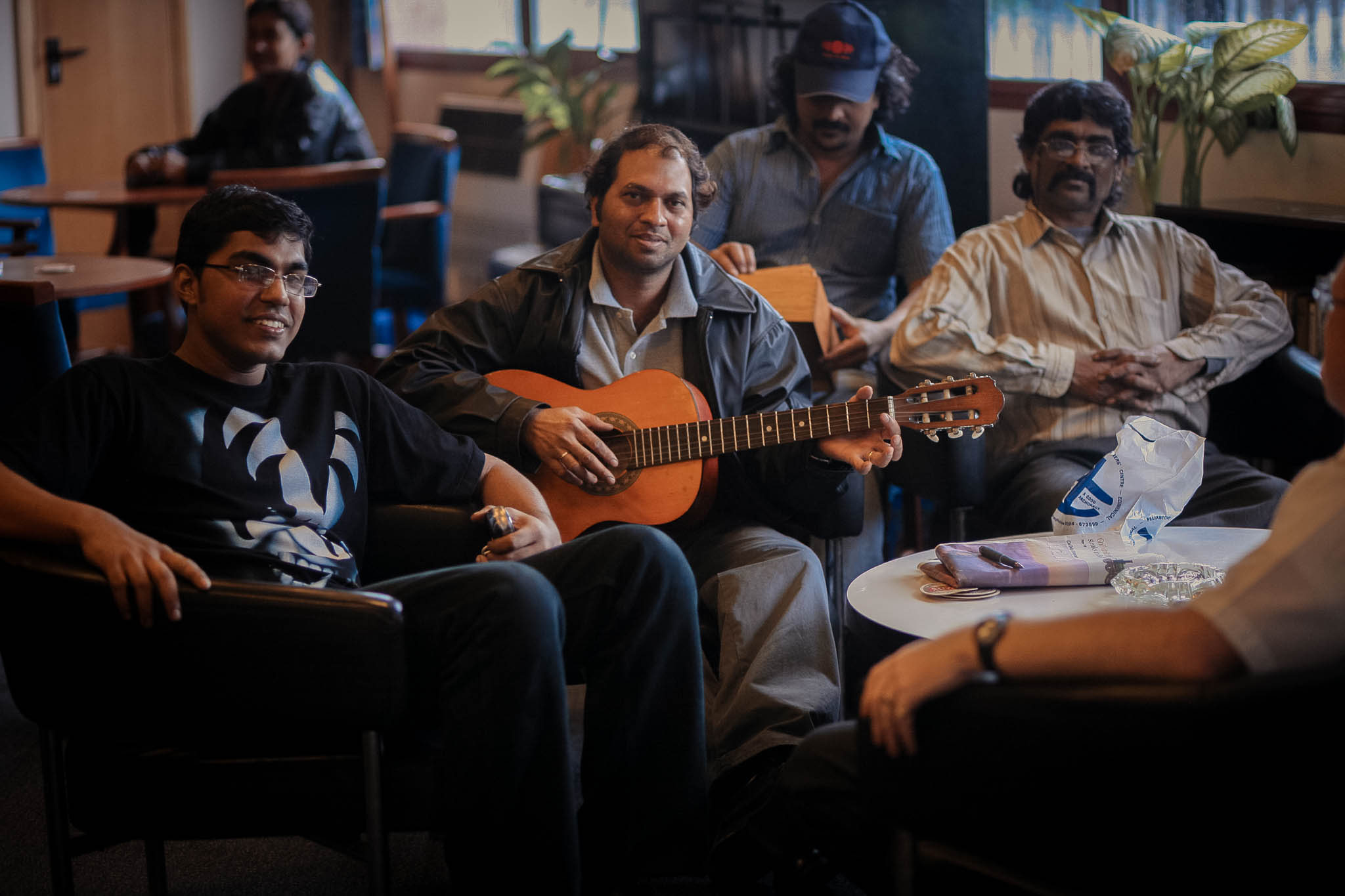
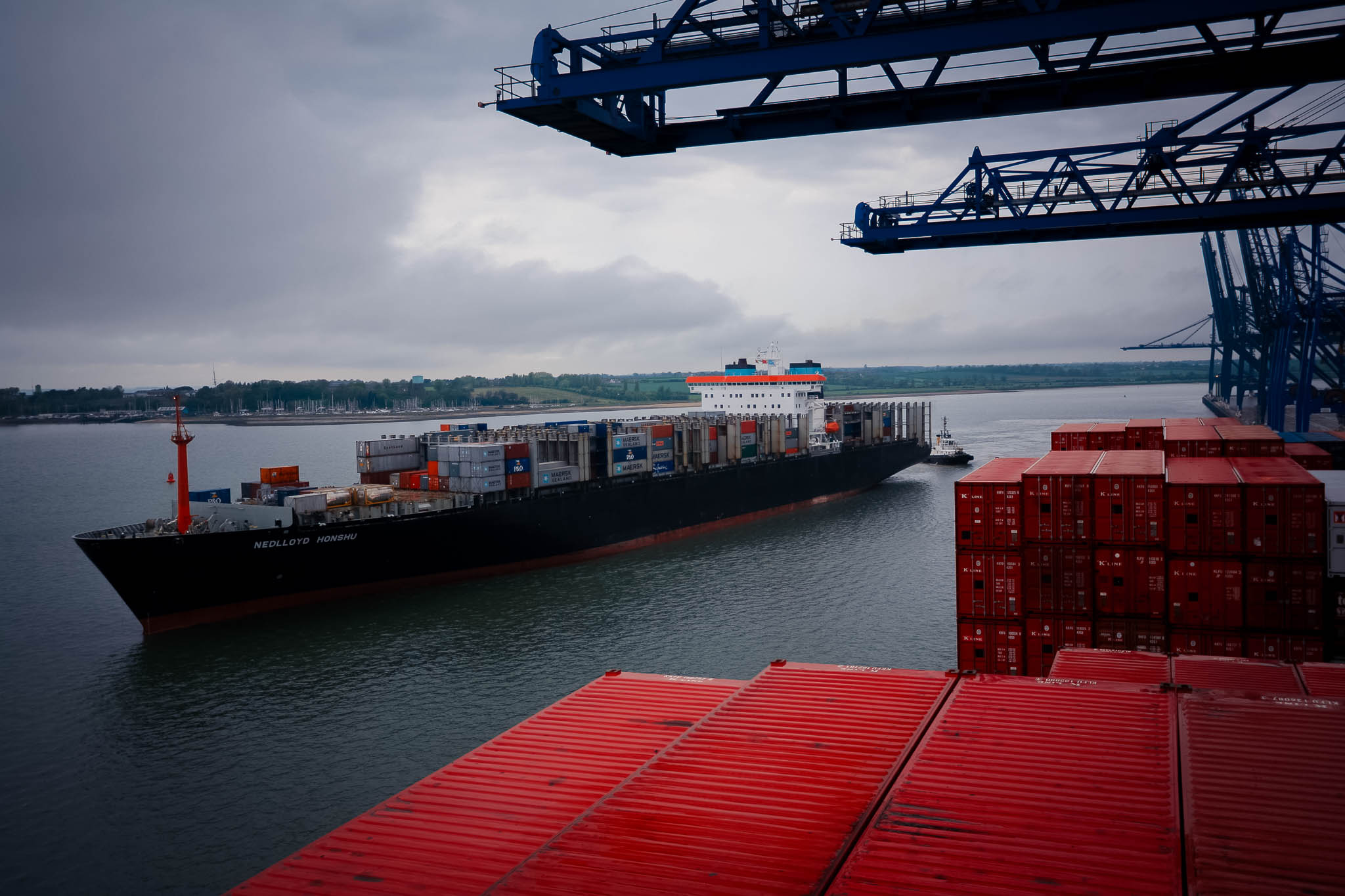
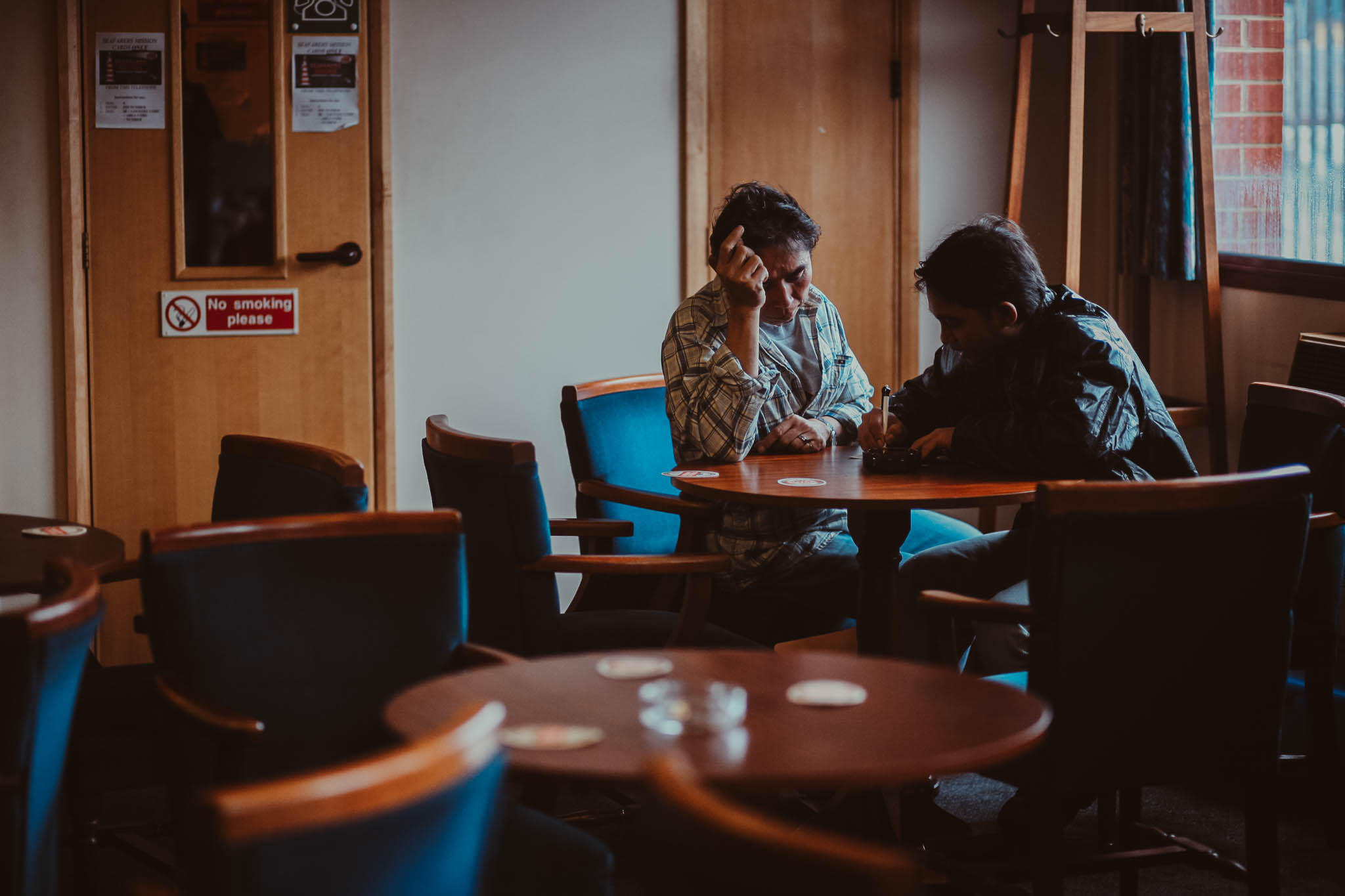
In May 2006, The Times commissioned a series documenting the interior of the Seafarers' Centre at Felixstowe Dock. The centre provides welfare services, communication facilities, and recreational space for international merchant seafarers arriving at the port. The photographs record the facilities provided by the maritime charity to support the mental and physical well-being of crew members during their time ashore.